Miter Saw Safety: Essential Rules for Beginners and DIYers
Staying safe while using a miter saw starts with keeping your hands at least 6 inches away from the blade’s path at all times. You must wear eye protection, use the clamp for small pieces, and never cross your arms during a cut to avoid severe injury.
Operating a motorized miter saw
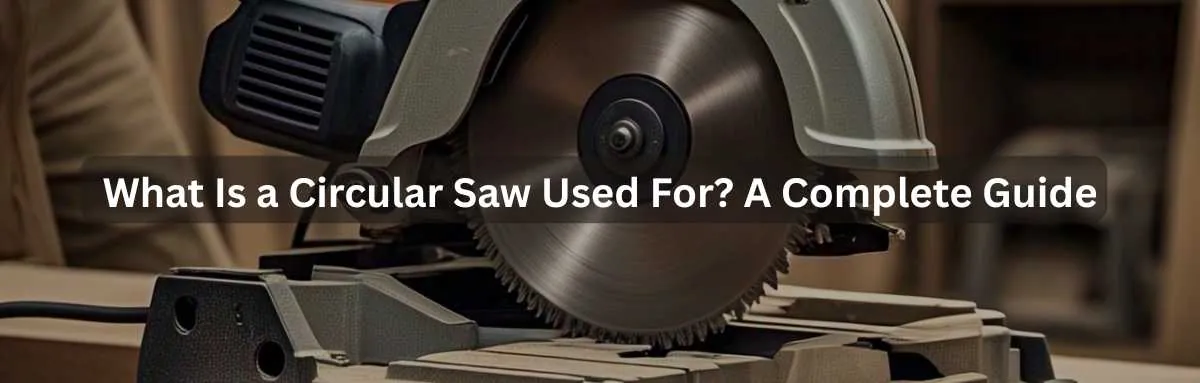
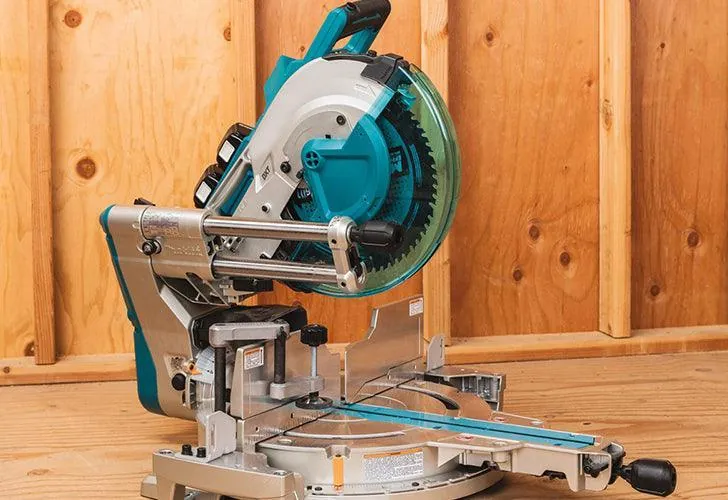
A miter saw is a power tool designed for making accurate crosscuts and miter cuts in wood. It’s used primarily for building furniture, installing trim, or framing projects. Beginners often think the tool’s guard offers total protection, but it only moves when the blade descends. The real danger comes from kickback or your hand drifting into the blade zone.
How to use a miter saw
- Secure the wood against the fence using a clamp, keeping your hands at least 6 inches from the blade.
- Put on your safety glasses and hearing protection before you plug in the saw.
- Lower the blade to the wood without turning the motor on to check your alignment.
- Raise the blade, hold the handle, and pull the trigger to let the motor reach full speed.
- Push the blade down slowly through the material, keeping your movements smooth and steady.
- Release the trigger and wait for the blade to stop spinning before you lift it back up.
Success depends on waiting for the blade to reach full speed before it touches the wood. If you aren’t comfortable with the power of the motor, ask a local woodshop instructor for a supervised demonstration.
Key settings and safety checks
| Situation | What to use | How long | What to watch for |
|---|---|---|---|
| Small pieces | Work clamp | Always | Keep hands away |
| Wide boards | Slide feature | Steady pace | Blade binding |
| Angle cuts | Miter scale | Per cut | Locked position |
| Long stock | Support stand | Continuous | Material tipping |
| Hardwood | Sharp blade | Slow feed | Burning wood |
Ensure the miter scale is locked before starting the motor. If the angle is loose, the blade can drift, ruining your material and creating a kickback risk.
Avoiding common cutting mistakes
Experienced users always check the path of the blade before every single cut. They ensure there are no staples, nails, or loose knots in the wood that could cause the blade to grab. You should also stand to one side of the saw, never directly behind the blade, so you’re out of the line of fire if a piece of wood kicks back.
Troubleshooting saw issues
| What you notice | What it usually means | What to do first |
|---|---|---|
| Blade burning wood | Dull teeth | Change the blade |
| Saw motor smoking | Overheating | Unplug immediately |
| Rough, jagged cuts | Wrong blade type | Use a finer tooth count |
| Blade drifting | Loose lock knob | Tighten all adjustments |
If the saw vibrates heavily, stop work immediately and check if the arbor nut is tight. If the vibration continues after tightening, take the tool to a professional repair shop.
Safety rules and requirements
Follow the safety manual provided by the manufacturer for your specific model, as power limits and guard designs vary by brand. Keep the floor clear of scraps and sawdust to prevent tripping, a leading cause of accidental blade contact. Use a dedicated circuit to prevent the breaker from tripping.
Maintenance and storage tips
Unplug the saw before changing the blade or cleaning. Use a dry brush to remove sawdust from the slides and the motor vents to keep the tool running cool. When not in use, lock the saw head down and cover it to prevent dust buildup. Replace the blade if it feels dull or leaves burn marks on the wood.
When to use a different tool
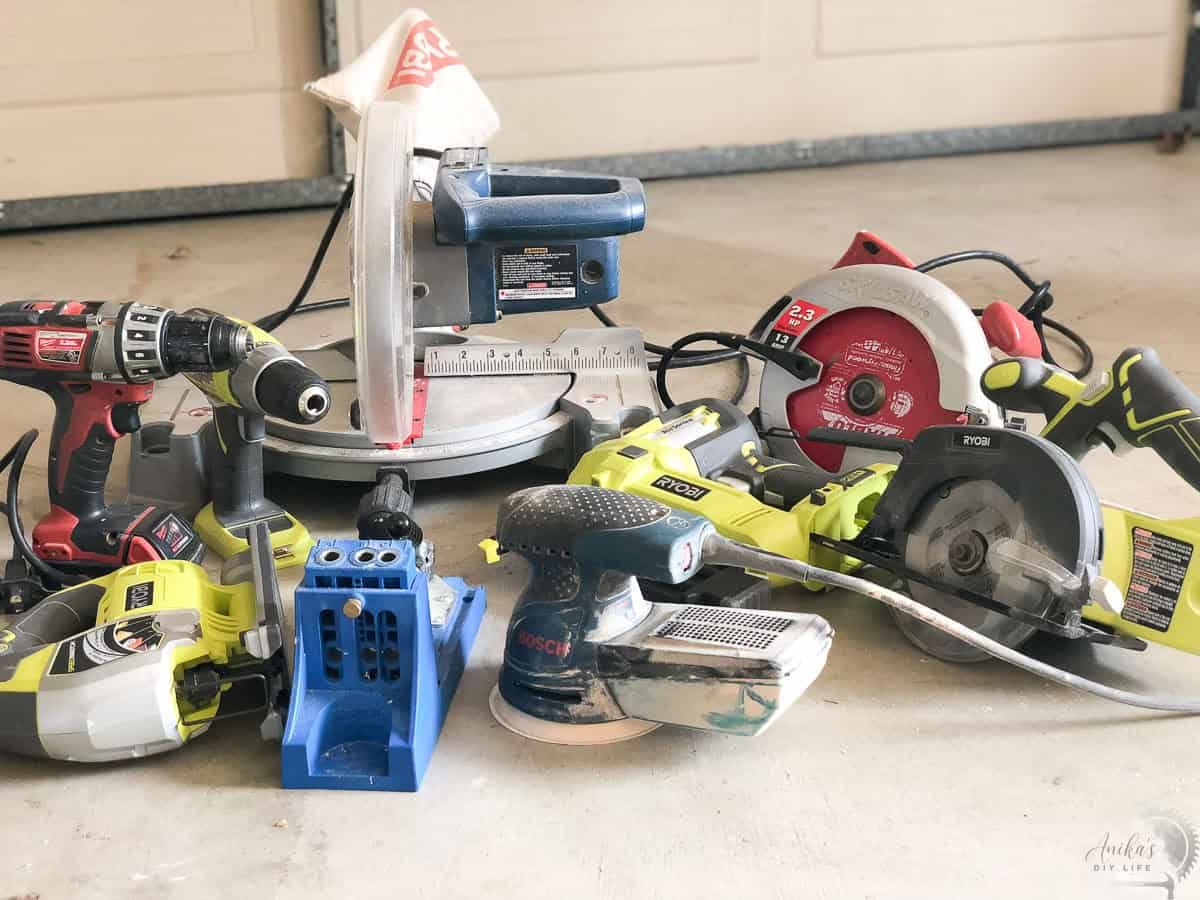
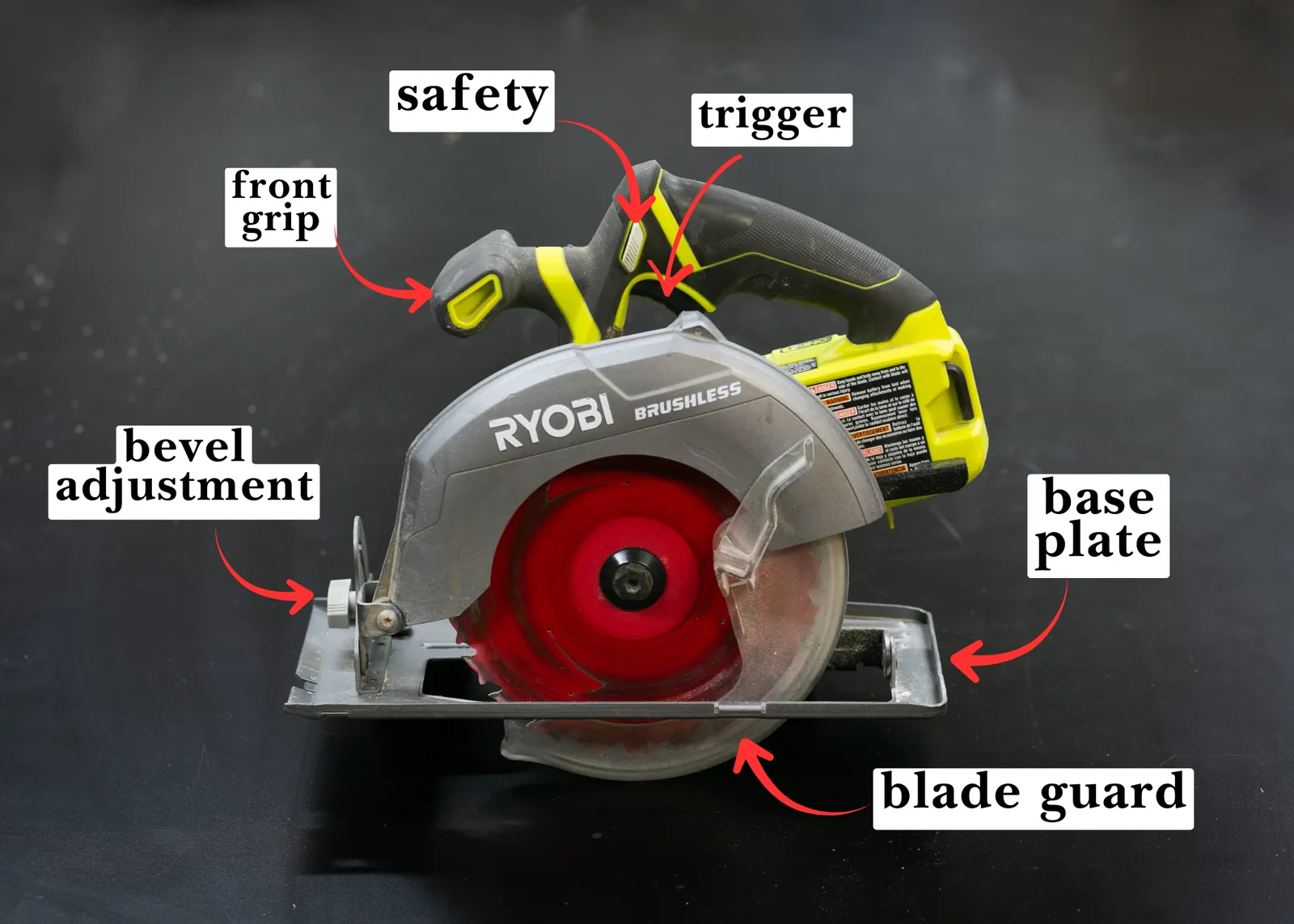
If you need to cut very long boards that don’t fit on your workbench, use a circular saw with a straight edge guide instead. If you’re cutting thin metal or plastic, you must switch to a blade designed for those materials and wear a face shield. Using a standard wood-cutting blade on metal can cause the teeth to shatter, which is a major hazard for your eyes and face.
Related guides
- 10 Best Miter Saw Blades: Expert Picks for Quality Cuts
- Nail Gun Safety Tips for Beginners: Your Complete Guide
- 10 Best Budget Miter Saws for Home Projects: Our Top Picks
Frequently asked questions
Can I use a miter saw to cut metal?
No, you should never use a standard wood-cutting miter saw to cut metal. Metal requires a dedicated cold-cut saw or a specific metal-cutting blade and a lower speed setting.
How long does a miter saw blade last?
A blade typically lasts for several months of light DIY use. You’ll know it’s time to change it when the cuts become rough or the wood shows burn marks.
Is it safe to cut small pieces of wood?
No, don’t cut pieces shorter than 6 inches unless you use a specialized jig. Small pieces can easily get caught in the blade and kick back toward you.
What happens if the blade gets stuck?
If the blade gets stuck, turn off the power immediately and let it stop moving. You must pull the saw head back up slowly before you try to clear the wood.
How often should I clean the saw?
You should clear the sawdust from the table and the guard mechanism after every project. Keeping the tool clean prevents the guard from sticking during your next cut.
How can I stop the wood from moving?
Always use a work clamp to hold your wood firmly against the fence; never attempt to hold the wood by hand.
Conclusion
Proper tool maintenance and following the manufacturer’s safety procedures are the only ways to keep your fingers safe. Always double-check your setup and keep your work area clear before you pull the trigger.