
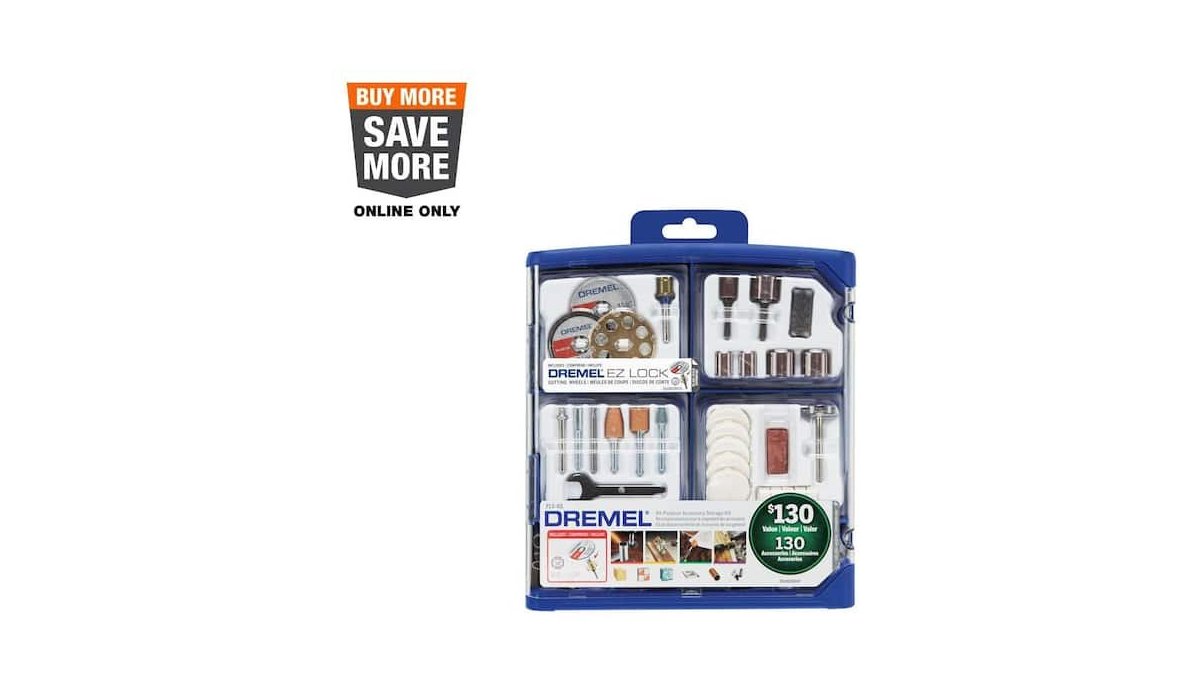
Dremel vs Milwaukee Rotary Tool: Which One Makes More Sense?
For most DIY users, a dremel rotary tool is the better choice because it offers a wider range of hobby-focused accessories and lighter handling. If you’re a professional tradesperson who already owns a specific battery platform, a milwaukee rotary tool makes more sense for your workflow.
Comparing rotary tool options
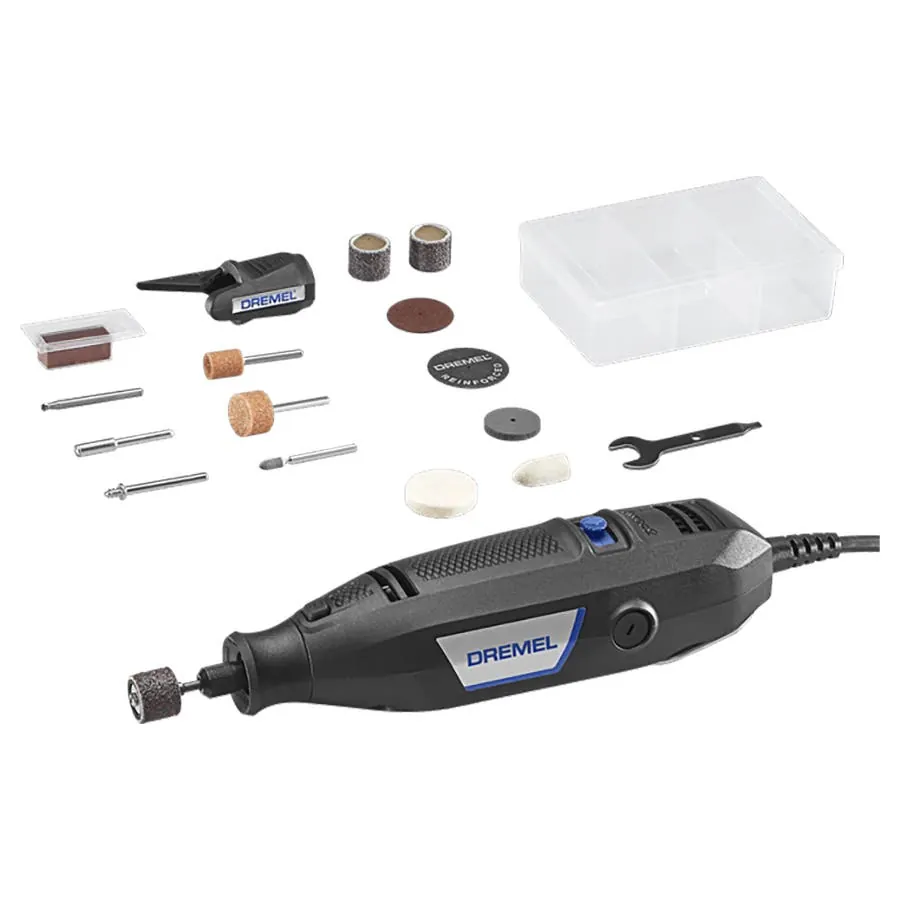
Choosing between these brands depends on whether you value versatility in small-scale projects or raw power for job-site durability. The following table breaks down the typical differences you’ll find when comparing these machines.
| Method | How long | Effort | Cost | Best for |
|---|---|---|---|---|
| Dremel Corded | Indefinite | Low | Low | Long indoor tasks |
| Dremel Cordless | 30-60 mins | Low | Medium | Detail work |
| Milwaukee M12 | 60+ mins | Medium | High | Heavy construction |
The battery life for cordless models assumes a 2.0Ah pack; for larger batteries, you should expect longer runtimes but higher tool weight.
Dremel corded rotary tools
These tools plug directly into a wall outlet, meaning they never run out of power during a long carving or sanding session.
- Plug the tool into a standard 120V outlet.
- Select your accessory, such as a cutting wheel or sanding drum.
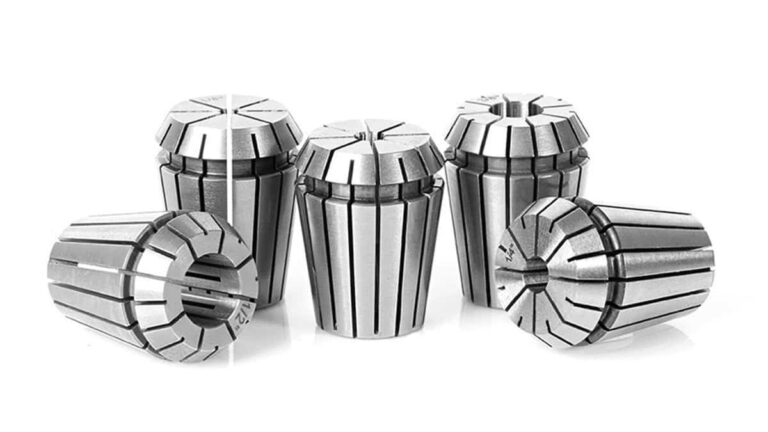
- Loosen the collet nut with the provided wrench.
- Insert the accessory shank and tighten the nut firmly.
- Slide the power switch to the desired speed setting.
These tools are excellent for long-term projects where you can’t stop to swap or charge batteries. The main weakness is the power cord itself, which can get in the way when you’re trying to maneuver inside tight spaces. If you need to perform heavy-duty grinding, always use eye protection to prevent debris from causing injury.
Dremel cordless rotary tools
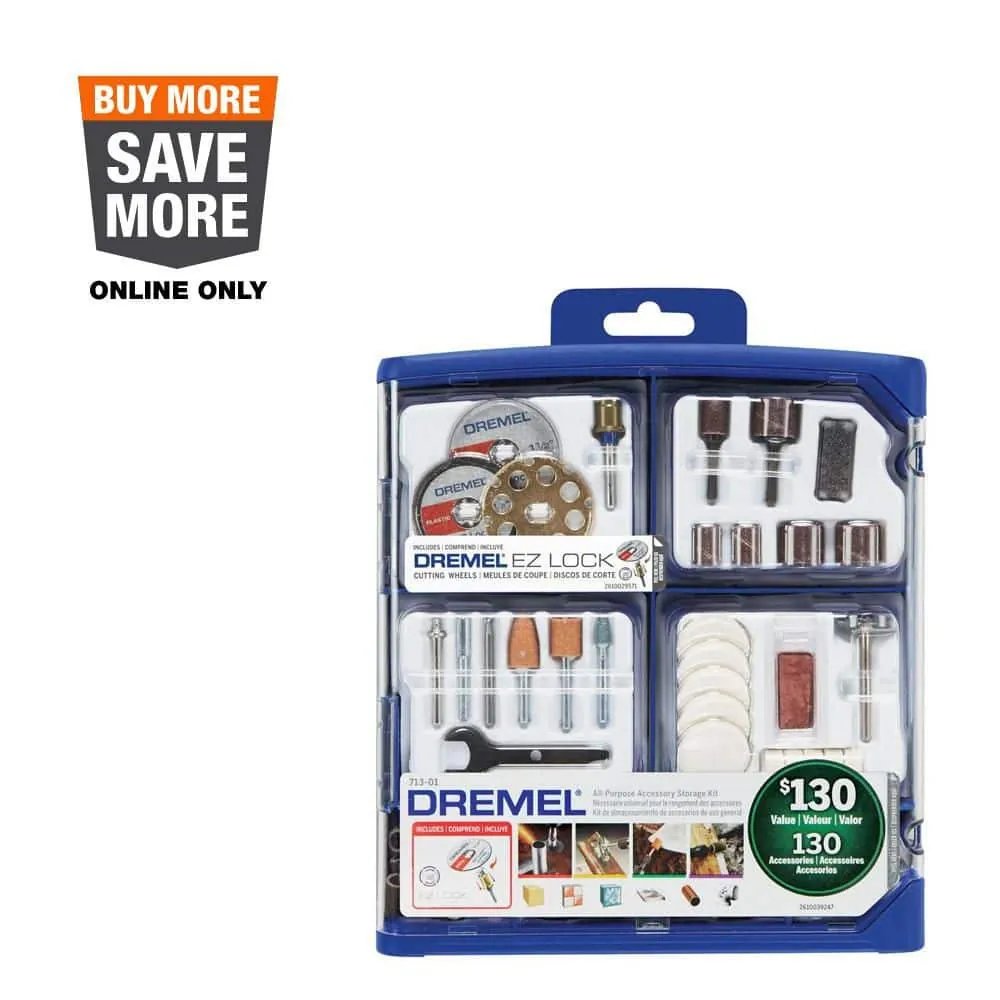
Cordless models provide the freedom to move around your workspace without being tied to a power outlet.
- Charge the battery pack until the indicator light shows it’s full.
- Click the battery into the base of the rotary tool.
- Press the spindle lock button to hold the shaft still.
- Twist the collet nut open and insert your chosen bit.
- Turn the variable speed dial to match your task.
These tools are perfect for quick repairs or working in areas where you lack easy access to electricity. The main trade-off is that they’re generally less powerful than their corded counterparts. If you find the tool stalling, you’re likely applying too much pressure; let the speed of the bit do the work instead of pushing down hard.
Milwaukee M12 rotary tool
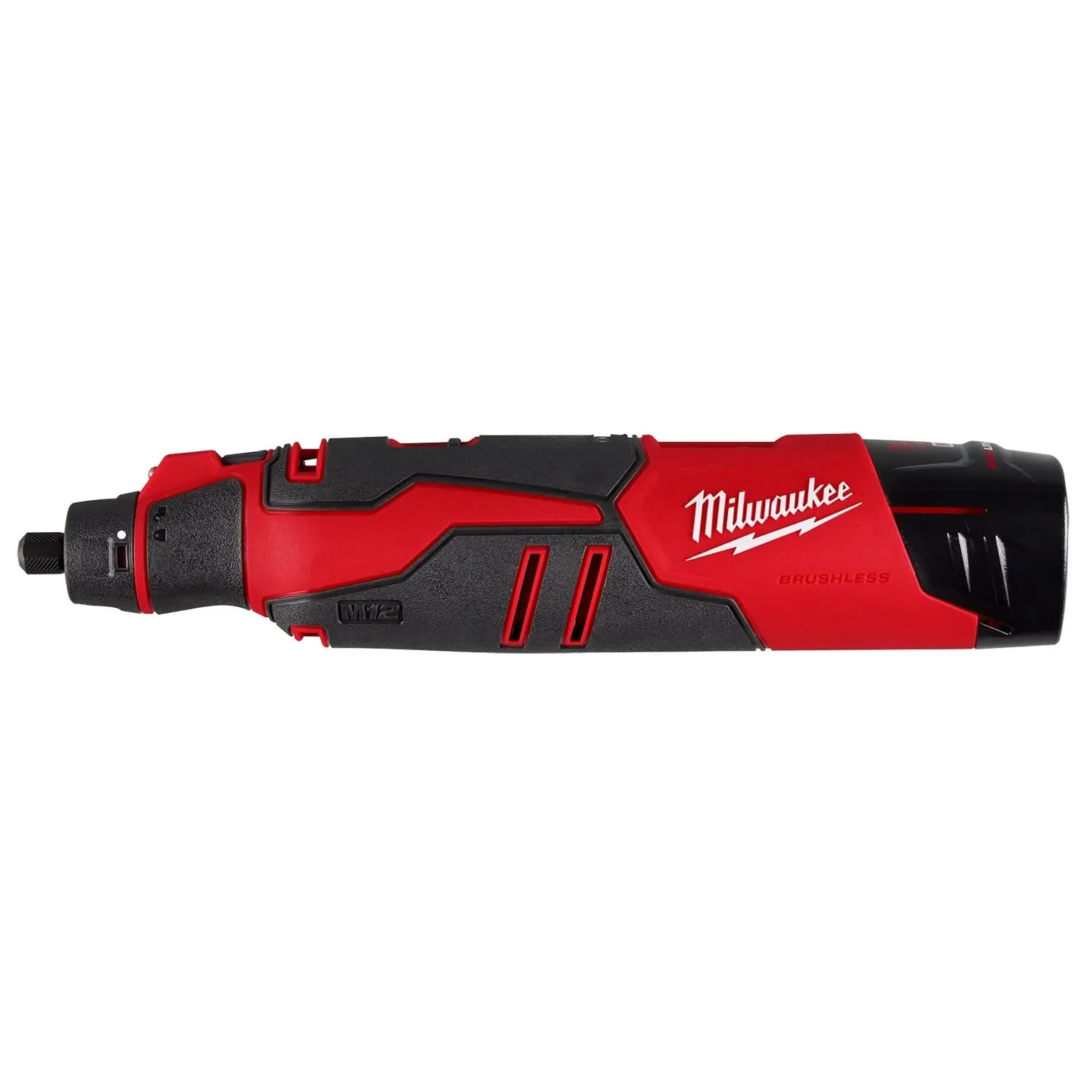
This tool is designed for the professional environment and uses the same battery system as other Milwaukee power tools.
- Slide a charged M12 battery into the handle slot.
- Check that the collet is tightened for your specific bit size.
- Turn the dial to the required RPM for your material.
- Apply the tool to your workpiece using steady, light pressure.
- Remove the battery when finished to prevent accidental activation.
This tool is built for durability and fits perfectly into a professional’s existing battery ecosystem. The main weakness is its size, as the battery handle can make it feel bulky for very delicate jewelry work or fine wood carving. If you aren’t already invested in the M12 battery system, the cost of the charger and batteries makes this a significant investment.
Which rotary tool should you use?
You should choose a tool based on your specific needs for power, mobility, and existing gear. If you’re in a hurry to start a hobby project, a corded dremel is the fastest choice because it’s ready the second you plug it in. If you’re doing this for the first time, a dremel offers a more intuitive design for beginners. If you want the best possible result for heavy-duty metal work, the milwaukee m12 provides the torque needed for tougher materials.
The trade-off is between the agility of a light tool and the long-term reliability of a heavy-duty system. Always ensure your tool matches the scale of your project; using a heavy tool for small, fine details often leads to shaky lines and poor control.
Rules for safe tool use
Regardless of the brand you choose, you must follow basic safety practices to ensure your work goes smoothly. Always check that your bits are rated for the speed setting you intend to use, as high RPMs can cause weak accessories to shatter. Before starting, ensure your workpiece is clamped down so it can’t move while you’re cutting or grinding.
If you’re working with materials like stone or metal, the dust created can be hazardous to your lungs. Always wear a mask and safety goggles, and check the specific guidelines from the Occupational Safety and Health Administration regarding airborne particulates. If the tool starts making an unusual noise or vibrating excessively, stop immediately and inspect the collet and bit for damage.
Frequently asked questions
Can I use Dremel accessories on a Milwaukee tool?
Yes, most rotary tool accessories use a standard 1/8-inch shank that fits both brands. Always check that the bit is fully seated in the collet before you turn the tool on to ensure it doesn’t fly out during use.
How long does a cordless rotary tool battery last?
It typically lasts 30 to 60 minutes of continuous use, assuming you’re using a standard 2.0Ah battery. Your actual runtime will vary based on the speed setting you choose and how much pressure you apply to the tool during the task.
Is it safe to use a rotary tool near water?
No, you must never use any electric rotary tool near water or in wet conditions. Electricity and water create a high risk of shock, so keep your workspace completely dry and store your tools in a cool, moisture-free location after you finish.
What happens if I use the wrong speed setting?
If you set the speed too low, the tool may stall and put extra heat on the motor. If you set it too high, you might burn the material or cause your accessory to break, so always start at a lower speed and increase it gradually.
How do I know when to replace the brushes?
You should replace the motor brushes when they reach the wear line or if the tool loses power intermittently. Check your owner’s manual for instructions on how to inspect your motor brushes, as they should be replaced when they reach the wear line.
Conclusion
Choosing the right tool depends on whether you’re tackling small crafts or heavy-duty site work. Don’t rush your decision; head to your local hardware store to hold both models in your hands. You’ll quickly see which one feels comfortable for your projects, and you’ll be ready to start your next build.
One Comment