
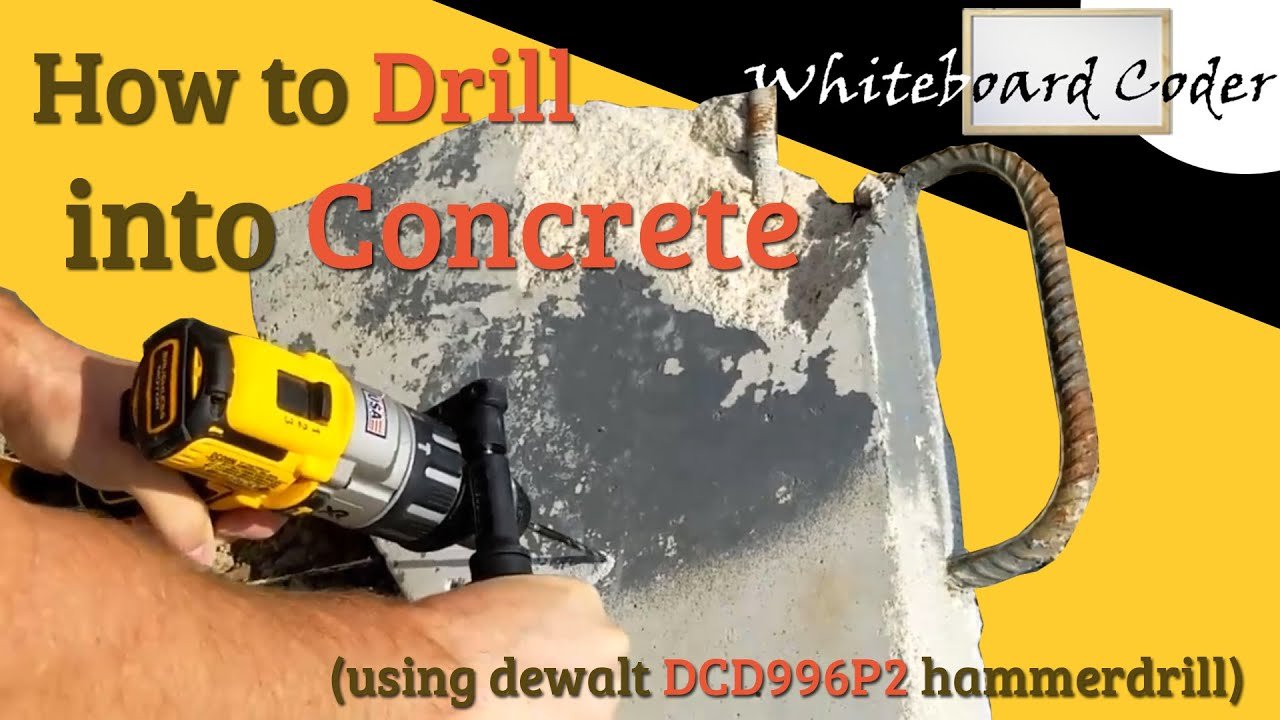
How to Drill Into Concrete With a Hammer Drill: Step by Step
To drill into concrete with a hammer drill, you’ll need a carbide-tipped masonry bit and should set your tool to the hammer-only or rotary-hammer setting. Start by marking your spot with a center punch, apply firm pressure, and maintain a steady speed while pausing every few seconds to clear dust from the hole.
Steps for Drilling Into Concrete
-
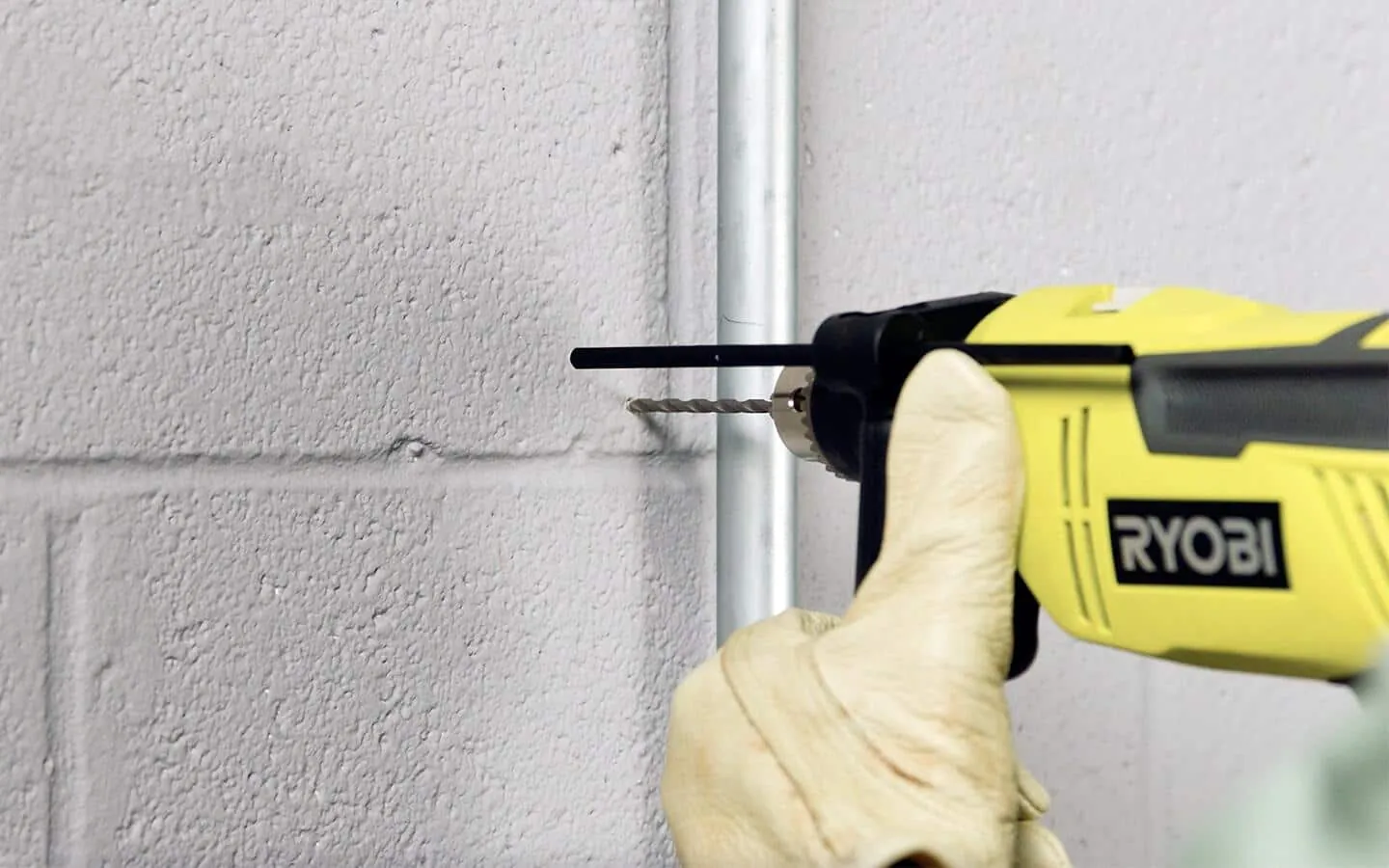
Mark the drill location: Use a center punch and a hammer to create a small indentation on the concrete surface, which prevents the bit from sliding when you start. If you’re drilling into aggregate, expect the bit to wander; strike the punch harder to create a deeper pilot divot that keeps the bit locked in place.
-
Select the correct bit: Choose a carbide-tipped masonry bit that matches the diameter of your anchor exactly. Avoid standard high-speed steel bits, as they will dull within seconds of contact with concrete.
-
Set the tool mode: Switch your device to the hammer-drill function. If you encounter rebar, stop immediately. If the drill suddenly jerks or the bit stops advancing despite high pressure, you have likely hit metal; move your hole at least two inches to the side to avoid damaging the bit or the structural integrity of the wall.
-
Position the drill: Hold the drill perpendicular to the surface and press the tip firmly into the center punch mark.
-
Begin the process: Start at a slow speed until the bit bites, then increase to a steady, medium speed. Don’t force the drill; let the hammer mechanism do the work. Excessive pressure causes the carbide tip to overheat and fail.
-
Clear the hole: Pull the bit out every 10 to 15 seconds to blow away dust. Accumulated debris acts as an abrasive that wears down the bit’s cutting edges.
-
Verify the depth: Wrap a piece of painter’s tape around the bit to mark your target depth. This prevents over-drilling, which can weaken the anchor’s grip.
Essential Drilling Data
The time and effort required depend on the hardness of the concrete and the diameter of the hole you’re creating. For standard residential concrete, use the following guidelines to manage your progress effectively.
| Hole Diameter | Target Depth | Estimated Time |
|---|---|---|
| 1/4 inch | 1-2 inches | 30-45 seconds |
| 3/8 inch | 2-3 inches | 60-90 seconds |
| 1/2 inch | 3-4 inches | 2-3 minutes |
If you encounter aggregate—the small stones embedded in the mix—your progress will stall. When the drill bit stops biting, don’t increase downward pressure. Forcing the tool causes the bit to overheat and dulls the carbide tip instantly. Instead, back the bit out, clear the dust, and resume with light pressure to break through the stone.
Always wear safety goggles and a dust mask. Drilling creates fine, airborne silica particles that are hazardous when inhaled. If you’re drilling overhead, use a plastic cup or a dedicated dust shroud around the bit to catch falling debris. This prevents grit from entering your eyes and keeps the hole clear of dust, which significantly increases your drilling speed.
Avoiding Common Drilling Mistakes
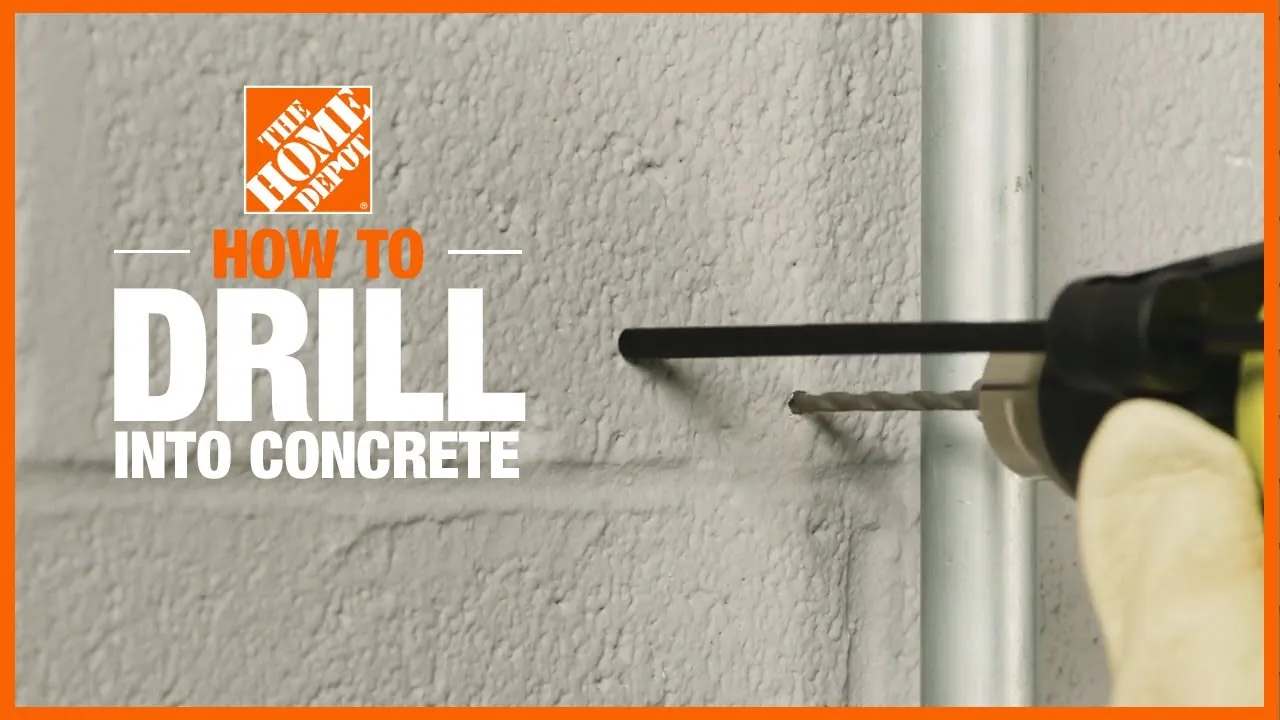
Many people struggle because they use standard steel drill bits intended for wood or metal, which will dull instantly when they touch concrete. Ensure you’re using masonry bits, which are specifically designed to handle the abrasive nature of stone.
Another frequent mistake is applying too much force; let the hammer action of the tool do the work for you. Pushing too hard can snap the bit or cause the motor to burn out. If the drill feels like it’s stalling, pull it back slightly to let the dust clear before continuing.
If your bit feels hot to the touch after only ten seconds of drilling, you’re applying excessive pressure or your bit has already lost its carbide tip. Stop immediately to avoid permanent damage to the tool chuck.
Finally, never try to drill into cured concrete that contains structural rebar without a specialized bit. Hitting metal will shatter your standard masonry tips instantly. If you encounter a sudden, jarring stop, you have likely hit rebar and must shift your hole location by at least two inches.
Frequently Asked Questions
Can I use a regular drill if I don’t have a hammer drill?
You can use a regular drill for very soft concrete or brick, but it will be slow and may overheat the motor. A hammer drill is necessary for standard cured concrete because it provides the percussive force needed to pulverize the material as the bit rotates.
How do I know if I hit a pipe or electrical wire?
Always check your wall plans or use a stud finder with AC detection capabilities before you start drilling. If you encounter sudden resistance that feels different from concrete, or if you see sparks, stop immediately and don’t attempt to force the bit through that area.
What should I do if the hole is too big for my anchor?
If the hole is slightly too large, the anchor won’t grip the sides of the concrete securely. You should move to a larger anchor size, use a chemical anchoring epoxy, or fill the hole with a concrete repair compound and drill a new, smaller hole once it has fully cured.
Conclusion
Before you begin, verify that your drill has a depth stop rod or simply wrap a piece of electrical tape around your bit at the required depth. This ensures you won’t drill past your mark and compromise the structural integrity of the concrete.


2 Comments