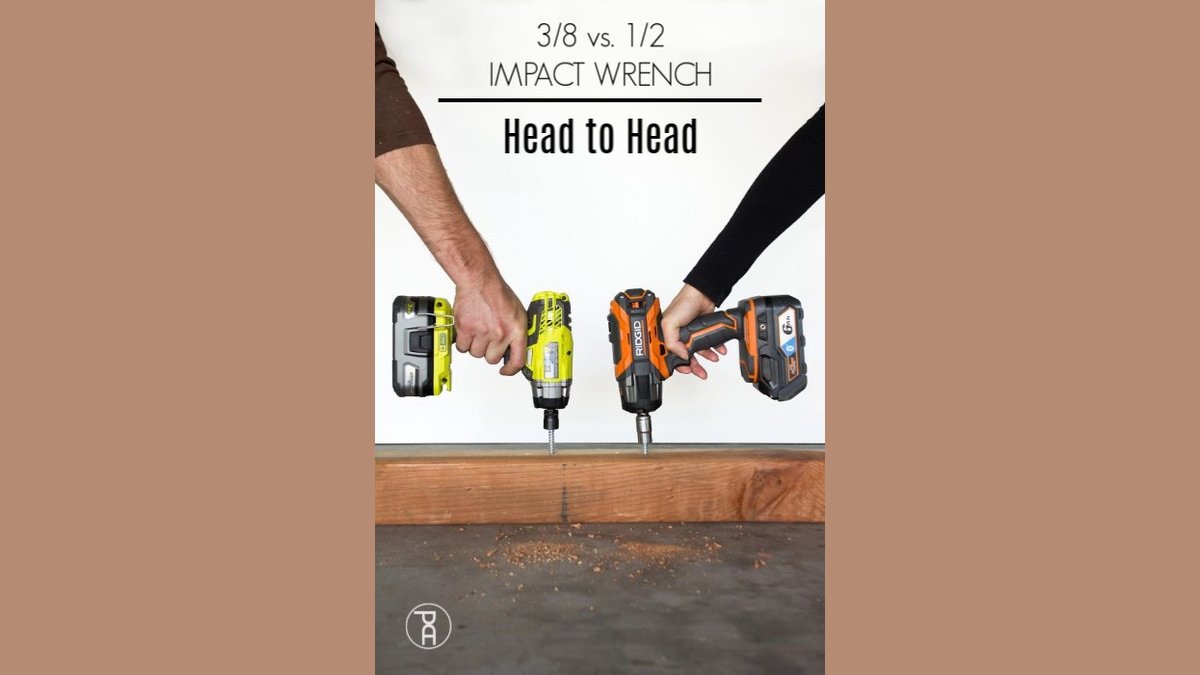
1/2 Inch vs 3/8 Inch Cordless Drill Chuck: Which Size You Need
When someone types “1/2 inch vs 3/8 inch cordless drill chuck,” they’re usually deciding which drill to buy or wondering whether their current tool is limiting them. The chuck is the clamp at the front of the drill that grips the bit, and its size rating tells you the largest shank diameter it can hold. A 1/2 inch chuck accepts bits up to 1/2 inch across, while a 3/8 inch chuck tops out at 3/8 inch. That single difference affects torque, weight, price, and which jobs each drill can realistically handle.
Key Takeaways
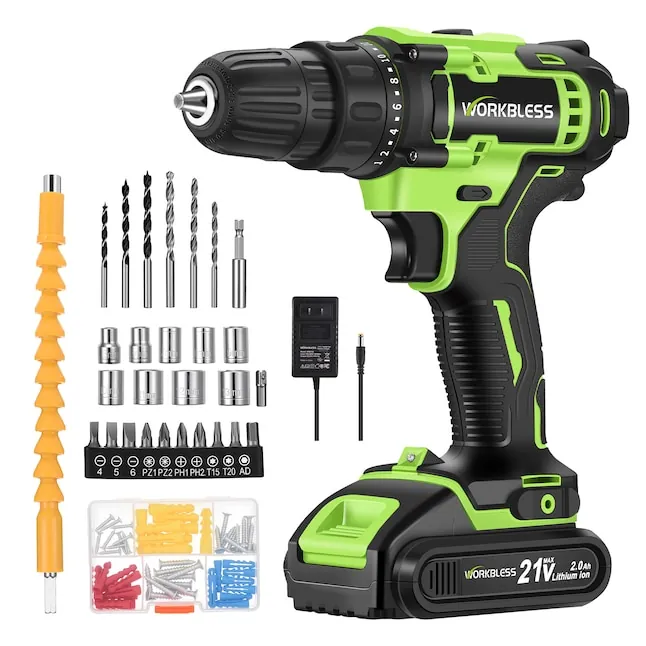
- Choose a 1/2 inch chuck for heavy-duty drilling, large hole saws, and mixing paddles that need maximum grip and torque.
- Pick a 3/8 inch chuck for everyday drilling, driving screws, and light renovation work where weight and balance matter.
- Expect a typical price range of $60 to $180 for a solid 3/8 inch cordless drill kit, versus roughly $100 to $250 for a comparable 1/2 inch model.
- Match your bit shank to the chuck; forcing an oversized bit into a smaller chuck can damage both the drill and the workpiece.
- Check the chuck type—keyless is standard on most cordless models, while keyed chucks appear mainly on corded or industrial drills.
What the Chuck Size Actually Means
The number stamped near the front of your drill refers to the maximum diameter of the bit shank the jaws can close around. A 1/2 inch chuck can grip anything from tiny 1/16 inch brad-point bits up to a full 1/2 inch spade or auger bit. A 3/8 inch chuck handles bits up to 3/8 inch, which covers most common twist bits, driver sockets, and small hole saws.
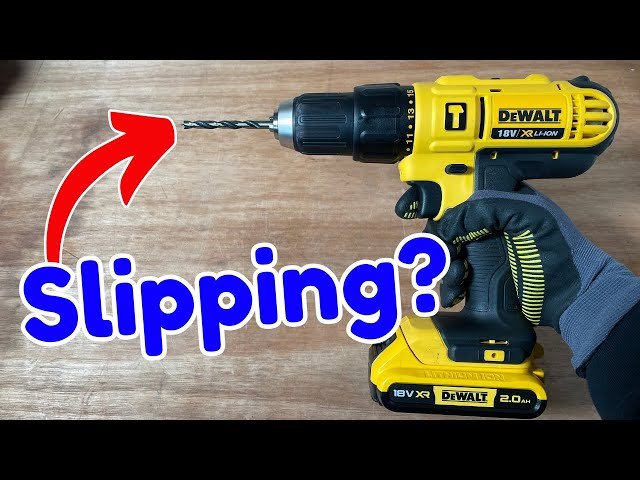
Larger chucks usually sit on drills with more powerful motors and heavier gearing. The jaws themselves are bigger and stronger, so they resist slipping when a large bit bites into wood or metal. That extra clamping force matters most when you’re drilling big holes or driving long fasteners, because a slipping bit can strip the screw head or gouge the material.
1/2 Inch vs 3/8 Inch: Direct Comparison
| Feature | 1/2 Inch Chuck | 3/8 Inch Chuck |
|---|---|---|
| Maximum bit shank | Up to 1/2 inch | Up to 3/8 inch |
| Typical use | Framing, large holes, mixing | General repair, screw driving |
| Weight | Heavier | Lighter |
| Torque capacity | Higher | Moderate |
| Typical price range | $100 to $250 | $60 to $180 |
| Best for | Pros and serious DIYers | Homeowners and light contractors |
Which Jobs Fit Each Size
A 1/2 inch drill is the better choice when you need to bore holes for plumbing pipes, run large-diameter hole saws through studs, or use auger bits in thick beams. It also handles mixing paddles for thinset or drywall mud without the chuck jaw slipping under load. If you’re building a deck, framing a wall, or installing door hardware that requires big boreholes, the extra capacity pays for itself.
A 3/8 inch drill excels at hanging shelves, assembling furniture, installing electrical boxes, and driving deck screws. It fits easily into tight spaces between studs, and its lighter weight reduces arm fatigue over a full day of overhead work. For most home repair tasks—drilling pilot holes, putting up curtain rods, or assembling flat-pack furniture—a 3/8 inch model is more than enough.
Power, Torque, and Chuck Size
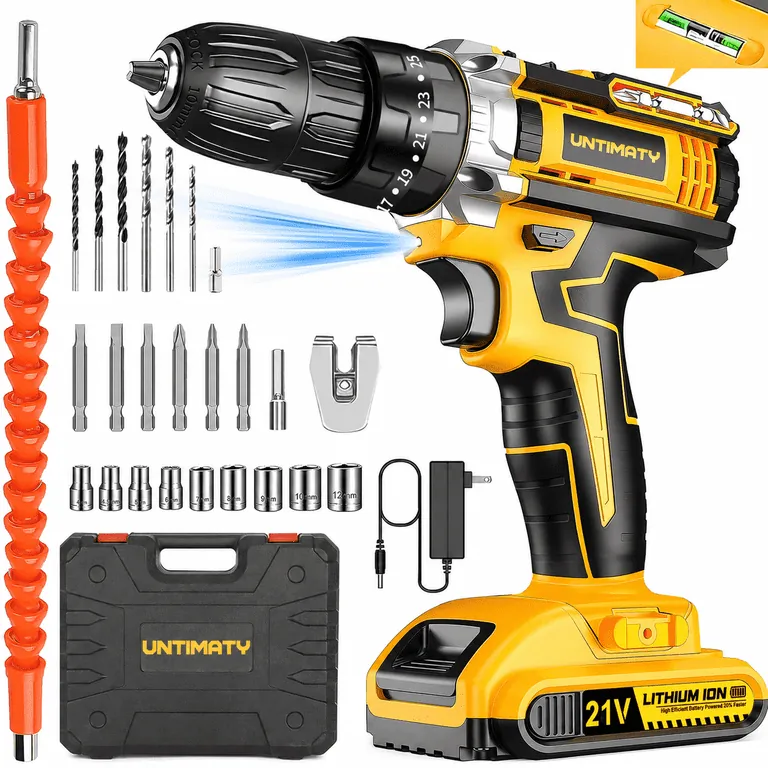
Chuck size rarely exists in isolation. Drills with 1/2 inch chucks usually pair that capacity with higher torque ratings, often in the range of 500 to 1,200 inch-pounds, depending on the brand and voltage. A 3/8 inch drill might deliver 300 to 700 inch-pounds. More torque lets the drill keep turning when the bit meets resistance, but it also means the tool can twist harder in your hands if the bit binds.
Variable speed triggers let you match the RPM to the material, while adjustable clutch settings prevent overdriving screws. On a 1/2 inch drill, you’ll often find a two-speed gearbox that lets you choose between high speed for small bits and low speed/high torque for large ones. A 3/8 inch drill may have a single speed or a simpler two-speed setup, which is fine for general work but less flexible for specialized tasks.
Keyless vs Keyed Chucks
Most cordless drills today use a keyless chuck. You tighten it by hand, rotating the sleeve until the jaws grip the bit. Keyless designs are fast to change and there’s no key to lose. The trade-off is that hand-tightening can sometimes leave a bit slightly loose under extreme torque, though this is rarely an issue with modern cordless models.
Keyed chucks require a separate toothed key to tighten and loosen the jaws. They’re common on corded drills and some industrial cordless models because they can achieve very high clamping force. If you buy a keyed model, keep the key attached to the cord or stored in the drill’s holster—losing it means the chuck is effectively unusable.
Battery Voltage and Tool Weight
Voltage isn’t the same as chuck size, but the two often travel together. A 12V drill frequently carries a 3/8 inch chuck and weighs around 2 to 3 pounds with the battery. An 18V or 20V drill more often comes with a 1/2 inch chuck and can weigh 4 to 6 pounds. Heavier tools deliver more power but cause fatigue faster, especially when working overhead or on a ladder.
If you already own batteries from a particular brand, staying within that system can save money. Many manufacturers sell the same drill body with either chuck size, so you can choose based on the work rather than being locked into one platform.
Real-World Models to Consider
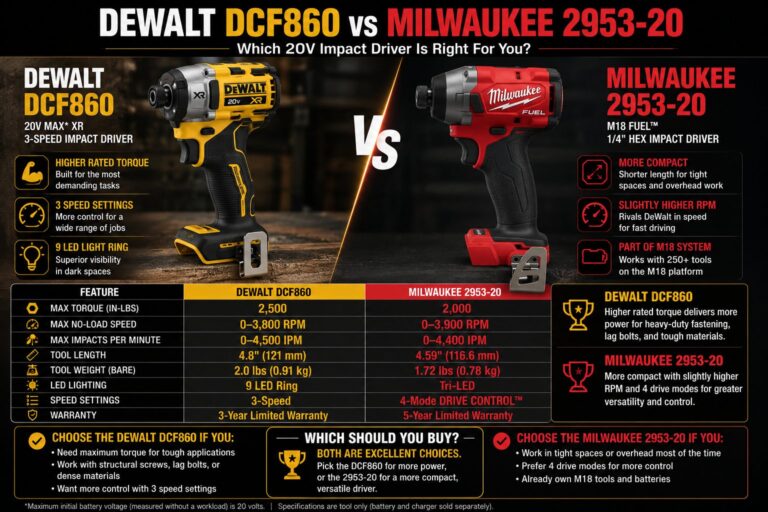
Several brands offer both sizes across their cordless lines. DeWalt, Milwaukee, Makita, and Ridgid all produce 1/2 inch and 3/8 inch cordless drills in 18V or 20V class platforms. For example, DeWalt’s 20V MAX line includes compact 3/8 inch models and heavier 1/2 inch hammer drills. Milwaukee’s M18 range offers similar choices, as does Makita’s LXT series. You don’t need to buy the top-of-the-line model; mid-tier drills from these makers usually handle homeowner and job-site duties equally well.
When to Upgrade or Downgrade
If your 3/8 inch drill stalls when you try to drill through a thick beam or the chuck jaws slip on a large spade bit, it’s time to move up to a 1/2 inch model.
On the other hand, if your 1/2 inch drill feels like a brick in your hand and you mostly drive 2-inch screws, a lighter 3/8 inch drill will make the day easier. Some professionals carry both: a compact 3/8 inch driver for fasteners and a 1/2 inch drill for the big holes.
Pro Tip: Keep a set of bit adapters in your toolbag. A 3/8 inch drill can accept a 1/2 inch shank bit only if the bit itself has a reduced shank, so check the packaging before you buy.
Common Problems and Fixes
| Symptom | Likely Cause | Fix |
|---|---|---|
| Bit slips in chuck | Worn jaws or insufficient tightening | Tighten by hand; replace chuck if jaws are damaged |
| Chuck won’t open | Debris in jaws or rust | Blow out with compressed air; apply a drop of machine oil |
| Wobble at high speed | Bent bit or misaligned chuck | Replace the bit; if the chuck itself is bent, service the drill |
| Chuck key stripped | Wrong key size or worn teeth | Get the correct key or switch to a keyless model |
Warning: Never operate a cordless drill with a damaged chuck. A loose jaw can throw a bit at high speed, which is a serious eye injury risk.
Frequently Asked Questions
Can I put a 1/2 inch bit in a 3/8 inch chuck?
No. The jaws can’t close around a shank larger than their rated capacity, and forcing it can damage the chuck or the drill.
Is a 1/2 inch drill always more powerful?
Not strictly, but in practice most 1/2 inch cordless drills have higher torque ratings and heavier gearing than 3/8 inch models.
Which chuck size is better for home use?
For general home repair and furniture assembly, a 3/8 inch drill is usually the better fit because it’s lighter and less expensive.
Do 1/2 inch chucks require special bits?
They accept standard bits up to 1/2 inch shank diameter; you only need larger bits if your project calls for holes that big.
Can I change the chuck on my cordless drill?
Some models allow chuck replacement, but many cordless drills have chucks integrated into the spindle. Check your manual before attempting it.
Conclusion
The right choice comes down to the work you do most often. If you need maximum bit capacity and torque for framing or large holes, step up to a 1/2 inch chuck. For everyday repairs and screw driving, a 3/8 inch drill will serve you better. Your next step is to measure the largest bit you currently use, then pick the drill that matches it.