Are Sparks in a Corded Drill Normal? Warning Signs & Next Steps
Small sparks inside a corded drill are normal, but you should recognize the warning signs that indicate a problem. While minor flashes are expected, bright sparks or burning smells require you to stop and follow specific next steps to assess the tool.
Stop using the drill now

Unplug the drill from the wall outlet before touching anything else. Never rely on the power switch alone, as a shorted trigger can keep the motor energized even when off.
Look at where the sparks came from. If you see bright blue flashes inside the vents, your carbon brushes are likely worn down to the springs. These sparks are normal in small amounts, but constant arcing will permanently score the commutator. If the sparks appear outside the housing or smell like acrid, melting plastic, the internal wiring insulation has likely failed.
Don’t plug the drill back in until you finish the checks below. If you see flames or smoke, move away immediately and call your local fire service.
What causes drill sparks
Sparks in a corded drill come from the universal motor inside. Carbon brushes press against a spinning copper part called the commutator, and each time a brush moves from one copper segment to the next, a tiny arc jumps across the gap. That’s normal, and you can usually see it through the cooling vents as small, steady flashes.
A bigger problem starts when the brushes wear down or the commutator gets dirty or damaged. The contact becomes uneven, and larger arcs jump across a wider gap. Those bigger sparks can throw hot particles out of the vents, scorch the inside of the housing, and eventually burn out the motor windings. A stalled drill — one you’re forcing through tough material — also pulls more current and can throw brighter sparks than usual.
The most common cause is worn brushes, but a seized bearing, a shorted winding, or debris inside the motor can produce the same symptom. You can’t tell which one it’s just by looking at the spark through the vents, so the checks below tell you what to look for before you open anything.
Check these, cheapest first
Look at the power cord and plug
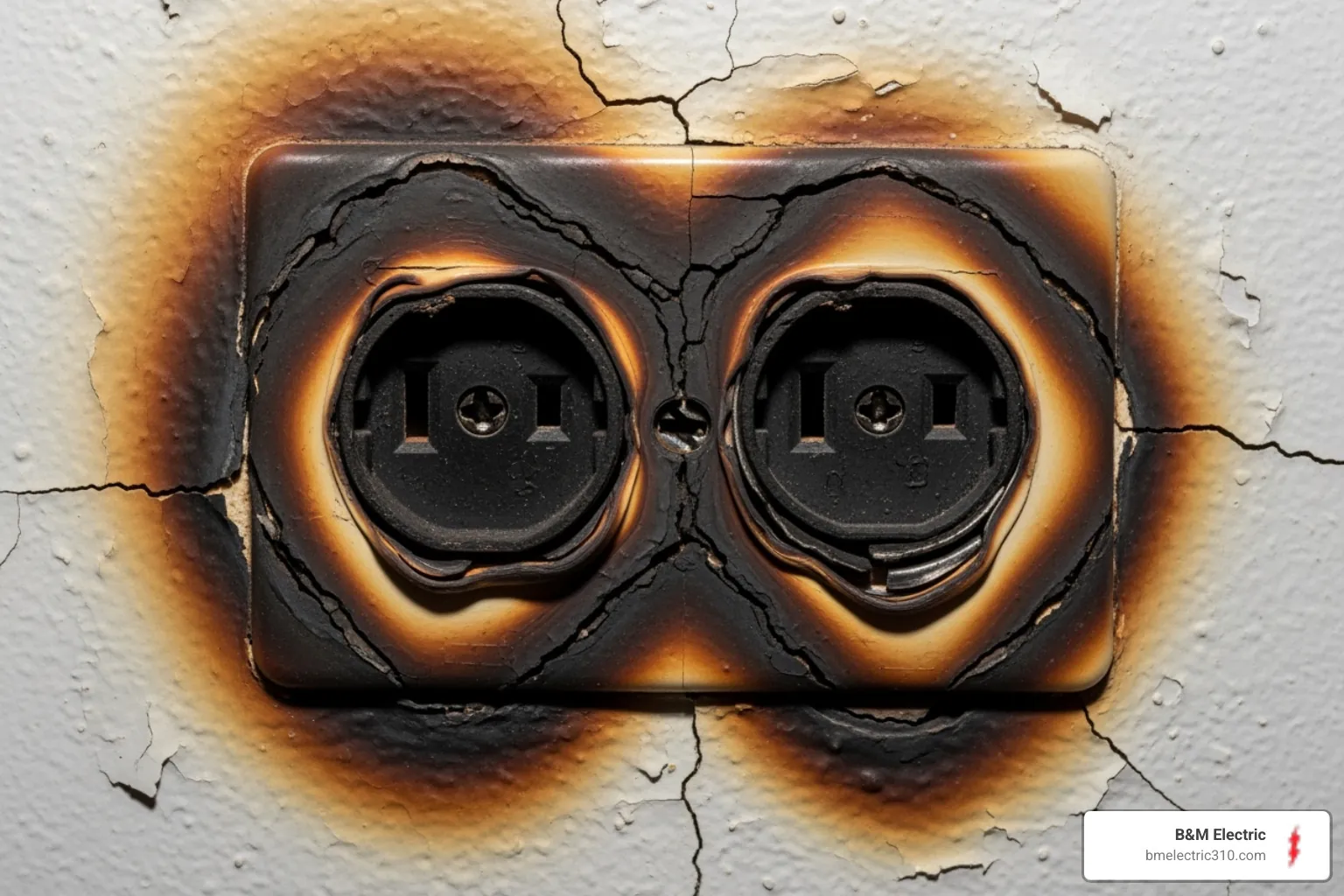
Check the cord for cuts, crushed sections, or exposed copper, and look at the plug for melted or discolored pins. A good cord has no damage and fits the outlet firmly. A damaged cord can arc at the fault and throw sparks from outside the drill, which means replace the cord or the drill — don’t keep using it.
Check the drill vents for bright flashes
Peer through the cooling vents while the drill runs unloaded for a few seconds. Small, steady orange flashes deep inside are normal brush action. Large white or blue flashes that reach toward the vent openings, or sparks you can see from outside the tool, mean the arcing is too strong and the drill needs service.
Smell the motor housing after a short run
Run the drill for ten to fifteen seconds unloaded, then sniff near the vents. A warm motor smell is expected. A sharp burnt or acrid odor means the brushes, windings, or switch are overheating, and continued use can destroy the motor or start a fire.
Listen for grinding or screeching
Hold the drill while it runs without a bit and listen. A smooth, even whine means the bearings and brushes are likely fine. Grinding, screeching, or a changing pitch as it spins points to worn bearings or a damaged commutator, both of which need a repair shop.
Test the trigger switch
Press and release the trigger several times while listening. The drill should start and stop cleanly with no delay and no sparking at the switch. A sticky trigger or one that makes the drill surge can arc internally and create sparks that look like they’re coming from the motor.
Try a different outlet
Plug the drill into another wall outlet on a different circuit. If the bright sparks disappear, the first outlet may be faulty, not the drill. If the sparks stay the same, the problem is inside the drill and you should move to the repair steps below.
Fix worn carbon brushes
Unplug the drill and remove the brush caps — usually two screw-on caps on the sides of the motor housing. Pull out the carbon brushes and compare their length to the new pair.
If a brush is shorter than about a quarter of its original length, or if the carbon end is cracked, chipped, or burned, replace both brushes at the same time even if only one looks bad. Insert the new brushes so the carbon face sits flat against the commutator, replace the caps, and plug the drill in.
Run it unloaded for about thirty seconds and watch through the vents. The fix has held if you see only small, steady flashes and no bright arcs, smoke, or burning smell. If the problem returns within a week, the commutator or armature is likely damaged, and no amount of new brushes will fix it.
When to hand it to a repair shop
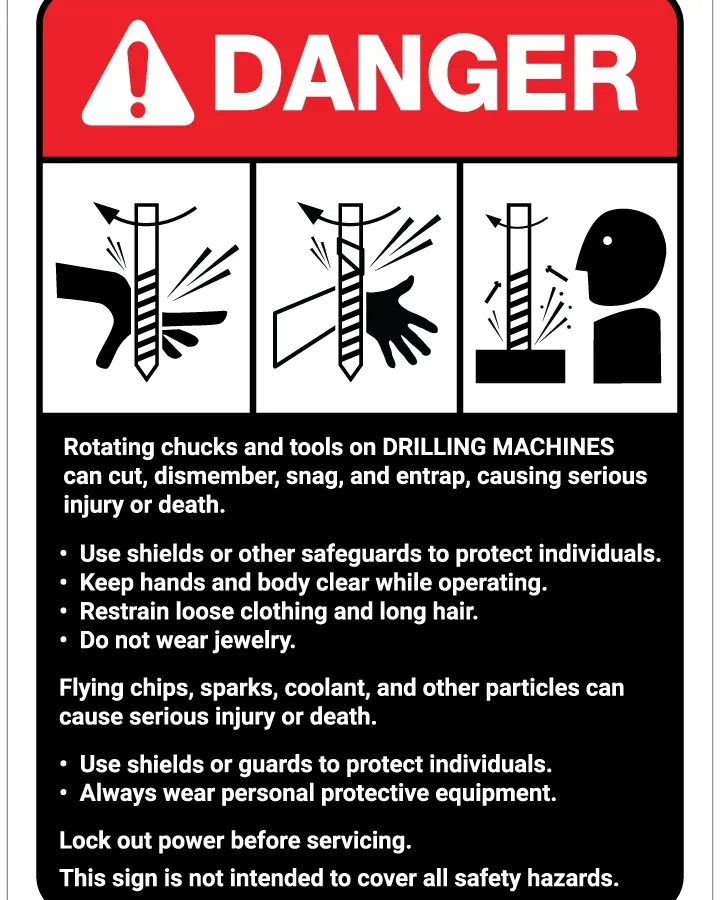
Stop and call a tool repair technician if you see bright sparks outside the vents, smell burning after a short run, or find a damaged power cord. Opening the motor housing to reach the armature or windings needs training and tools most people don’t have, and working inside a live power tool carries a real shock risk.
A technician will most likely check the commutator surface, test the armature for shorts, and inspect the switch first, so tell them what checks you already did and what you observed.
Related guides
- Choosing a Corded Drill for Metal: Speed, Bits & Setup
- 10 Best Corded Hammer Drills for Home Projects and Masonry
- 10 Best Corded Drills: Top Picks for Home and Workshop Use
Frequently asked questions
Can sparks in a corded drill be normal?
Yes. Small orange flashes inside the motor housing are normal brush action in a universal motor. Bright white or blue flashes that reach the vent openings, or sparks outside the tool, aren’t normal and mean you should unplug it and check the drill.
Why does my drill spark when I start it?
The drill pulls a higher current at startup, so the brushes can throw slightly larger arcs for a moment. That brief flash is usually harmless, but if the sparks are large every time you pull the trigger, the brushes or commutator are likely worn.
Is it safe to keep using a sparking drill?
No, not if the sparks are bright, come from outside the vents, or come with a burning smell. Unplug it and run the checks above before using it again. Continuing can burn out the motor or start a fire.
What happens if I ignore drill sparks?
Worn brushes can damage the commutator, and a damaged commutator can burn out the armature windings. Once the windings go, the drill is usually cheaper to replace than to repair, and a shorted tool can shock you or start a fire.
Does it matter which outlet I plug the drill into?
It can. A loose or faulty outlet can arc at the plug and create sparks that look like they’re coming from the drill. Try another outlet on a different circuit first — if the sparks stop, the outlet is the problem.
How long do carbon brushes last in a drill?
Brush life varies based on how hard you run the drill and the material you drill, so there’s no fixed figure. Check them every few months if you use the drill often, and replace both when either one is worn down to about a quarter of its original length.
Can I replace drill brushes myself?
Yes, on most corded drills the brush caps unscrew from the outside of the housing and you can swap the brushes in a few minutes with a screwdriver. If the commutator underneath is scored or pitted, new brushes won’t fix it and the drill needs a shop.
Conclusion
Stop using the drill if the sparks look bright or smell burnt. The checks above cost nothing and take a couple of minutes, and they will tell you whether a new pair of brushes will solve it or whether the drill belongs in a repair shop.