Corded Drill Troubleshooting: Won’t Start, Sparks, or Loses Power
Most corded drill problems stem from power supply issues or motor failure. You can troubleshoot a drill that will not start, sparks, or loses power by checking the outlet and cord first. These simple inspections help you decide whether to repair the tool, replace it, or seek professional help.
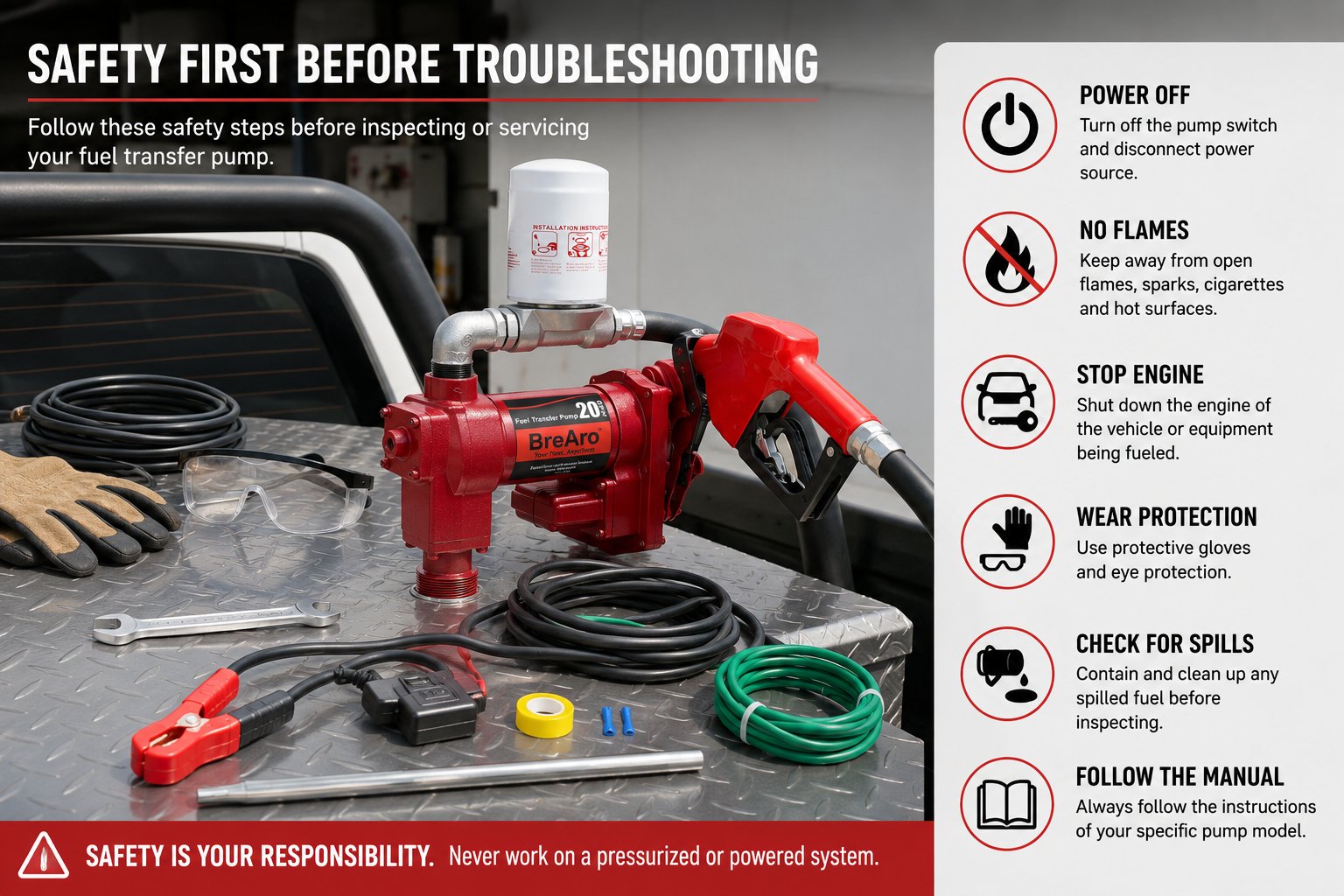
Start troubleshooting your corded drill safety signs
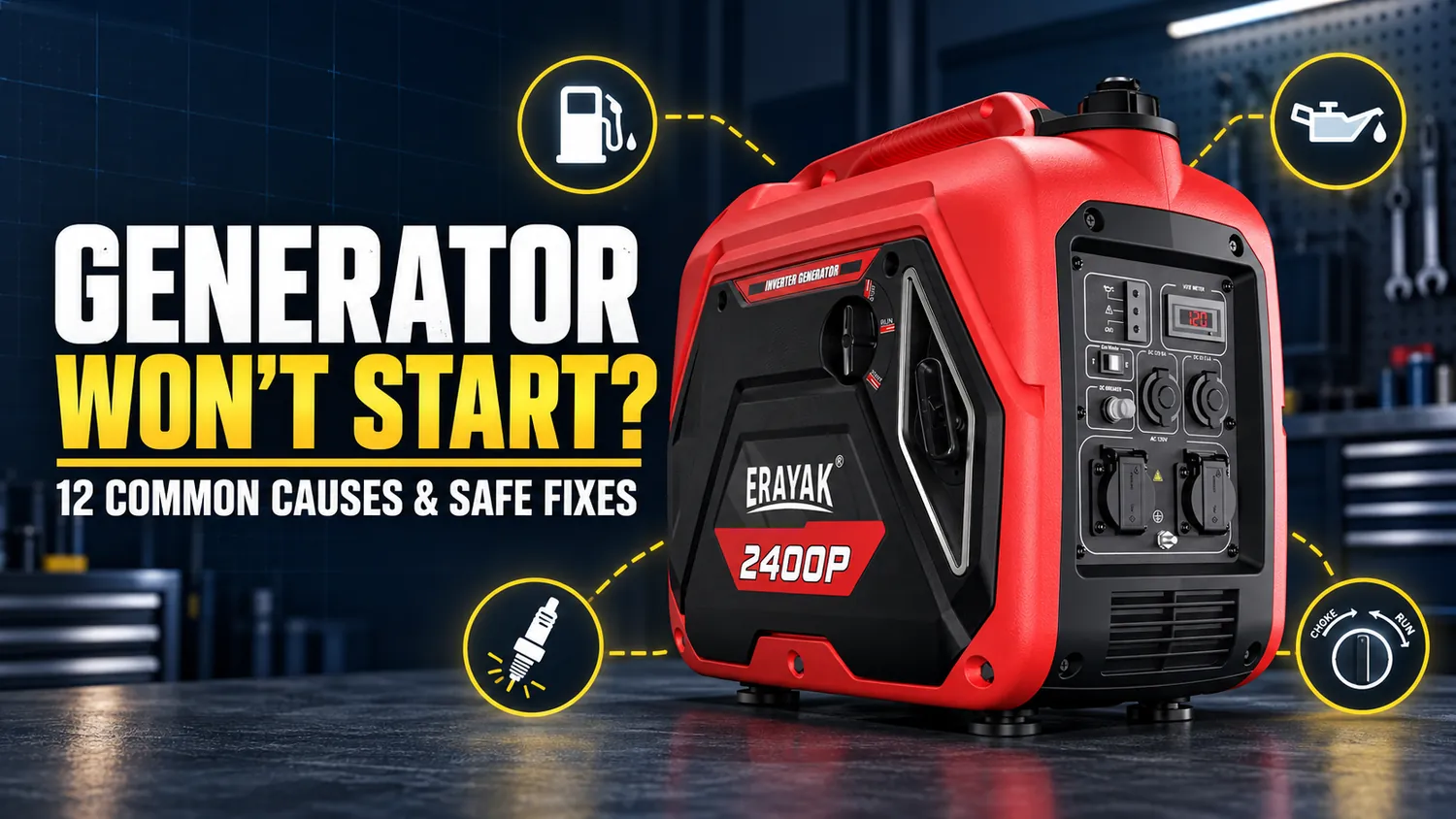
Stop using the drill immediately if you see sparks coming from anywhere other than the motor vents, or if it smells of burning plastic. These signs indicate a failing internal circuit or a shorted motor winding that can lead to fire.
Unplug the tool before you touch the cord, the plug, or the chuck. If the drill body feels live or gives you a shock, don’t plug it in again. Label it as broken to prevent others from using it, then call a qualified electrician.
Never attempt to bypass the ground pin on the plug to make it fit an older outlet. This mistake removes your primary protection against electrocution and will cost you your safety.
Safety: Inside a mains-powered machine, the parts behind the outer cover can hold a dangerous electrical charge even after it has been unplugged — that’s why they sit behind a cover. Opening the housing, or testing or replacing anything behind it, is a job for a qualified technician, never a home repair.
Check power first
Unplug the drill, then plug a lamp or phone charger into the same outlet to prove the outlet works. If the lamp fails to light, check your home’s main breaker panel for a tripped switch.
Look along the whole cord for cuts, crushed spots, or frayed insulation near the plug and where the cord enters the drill. Even a hairline fracture in the internal copper wiring can cause intermittent power loss. If you find damage, don’t attempt a tape repair; replace the entire cord to prevent a short circuit.
Press the trigger fully and release it a few times to see if it sticks or feels loose. A trigger that fails to click indicates a broken internal spring.
Try the drill in a different outlet on another circuit, and skip extension cords for this test. If the drill runs here, the original outlet is likely overloaded. Let a hot drill cool for fifteen minutes.
What is actually happening
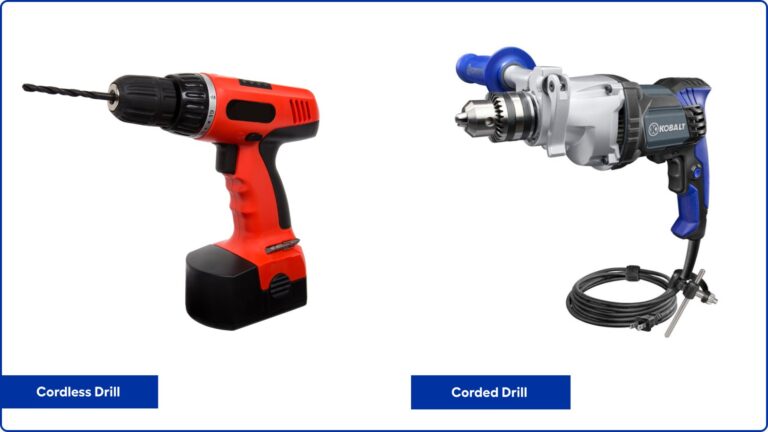
A corded drill turns electricity into spinning power through a motor with carbon brushes and a commutator. When you pull the trigger, current flows through the cord and switch into the motor windings, creating a magnetic field that spins the chuck.
If the cord is damaged or the outlet is weak, the motor doesn’t get enough voltage and loses power under load. Check the cord for deep nicks or exposed wire that might indicate an internal break. If the drill loses torque while drilling into soft wood, move to a different outlet on a separate circuit. A circuit already burdened by a space heater or microwave will starve the drill of necessary amperage.
Worn brushes or a dirty commutator can make the motor sputter, spark heavily, or fail to start. If you see rhythmic, bright blue arcing inside the vents, the brushes are likely too short to maintain consistent contact. Replace them when they reach the wear line marked on the side.
A seized chuck or a jammed bit can stall the motor, which may cause the motor to overheat or trip the circuit breaker. Small sparks at the motor vents during normal use are common, but thick smoke or a burning smell mean a terminal electrical fault.
Troubleshooting steps for corded drill power loss, sparks, or won’t start
Test the outlet with another device
Plug a lamp or charger into the same outlet. If it doesn’t work, the outlet or circuit breaker is the problem, not the drill. A good result means the device turns on right away.
Check the cord and plug
Run your hand along the cord to feel for cuts, soft spots, or heat damage. Look at the plug pins for bending or discoloration. A good cord has no damage and fits snugly; a bad one shows cuts, exposed wires, or a loose plug.
Press the trigger and listen
Hold the drill and pull the trigger slowly. A good trigger clicks and runs the motor smoothly; a bad one sticks, feels loose, or makes the motor stutter. This costs nothing and takes seconds.
Try a different outlet
Move the drill to an outlet on another circuit without an extension cord. If it starts there, the first outlet or breaker was at fault. A good result means the drill runs at full speed.
Let it cool and retry
If the drill stopped after heavy use, unplug it and wait about fifteen minutes. A good result means it starts again once cool; if it still won’t start, the motor or switch may have failed.
The fix
Replace a damaged cord or plug with a new cord set matched to your drill model, or have an appliance repair technician fit one. Don’t wrap a cut cord in tape and keep using it. Electrical tape provides no structural integrity and fails to prevent internal arcing, which creates a significant fire hazard.
If the drill starts, runs briefly, then loses power or smells hot, the motor is likely failing. Replacement parts for internal motors usually cost more than a new drill.
You know the fix has held when the drill starts on the first pull and reaches full speed without stalling. If the problem returns within a week, stop using it and have it checked by a qualified repairer.
Where this stops being a DIY job

Open the housing only if you’re trained to do so. A drill that shocks you, smells of burning, or sparks from the switch area needs a qualified appliance repair technician or an electrician. The person you call will most likely look at the cord, plug, switch, and brushes first, so tell them what you have already checked.
Never run a drill that feels live or trips a breaker repeatedly; that’s a building wiring fault, not a drill fault. If the breaker trips the moment you plug the tool in, the short is in the cord or plug. If it only trips when you pull the trigger, the internal motor windings have likely failed.
Attempting to bypass a thermal fuse or bridge a cracked circuit board often leads to permanent motor burnout. If you see smoke, stop immediately. The cost of a professional diagnostic is generally modest compared to the price of a new tool.
Related guides
- Are Sparks in a Corded Drill Normal? Warning Signs & Next Steps
- Choosing a Corded Drill for Metal: Speed, Bits & Setup
- How Many Amps Do You Need in a Corded Drill for Home Jobs
Frequently asked questions
Can I keep using my drill if it sparks?
Small sparks near the motor vents can be normal, but bright arcs, smoke, or a burning smell mean stop immediately. Unplug the drill and have it checked before using it again.
Why does my drill lose power under load?
A weak outlet, a damaged cord, or an extension cord that’s too thin can starve the motor of voltage. Worn brushes or a stalled chuck can also cause it. Test the outlet and cord first.
How long should I let an overheated drill cool?
Let it cool for about fifteen minutes before trying again. If it still won’t start after cooling, the motor or overload protector may have failed.
Is it safe to repair a drill cord with electrical tape?
No. A cut or frayed cord needs a proper cord set replacement matched to the drill. Tape can come loose and expose live wires.
What happens if I keep using a drill that loses power?
You can burn out the motor completely, which usually costs more to replace than buying a new drill. Stop and check the cord, outlet, and brushes first.
Does it matter which outlet I plug into?
Yes. A weak circuit or a breaker that has tripped can stop the drill starting or make it lose power. Try another outlet on a different circuit without an extension cord.
Conclusion
If your drill still doesn’t run smoothly after these checks, it’s likely time to contact a professional repair shop. They’ll tell you if it’s worth fixing or if you should upgrade to a new model. Don’t risk your safety by using a tool that’s clearly struggling to keep up.