How to Drill Metal with a Corded Drill Without Burning Bits
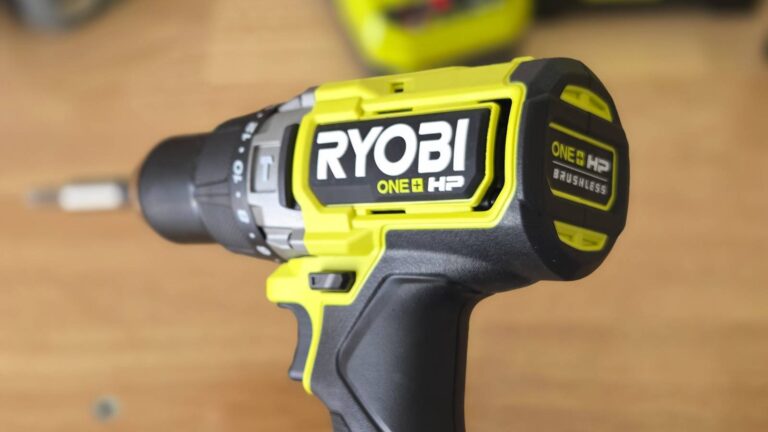
How to drill metal with a corded drill (without burning bits) means starting slow, using sharp cobalt or titanium bits, keeping the metal clamped, and feeding oil to the cut while you work. Low speed and steady pressure keep the bit from overheating. This method suits home repair and workshop jobs on steel, aluminum, and other common metals.
What you need
- a corded drill with variable speed control
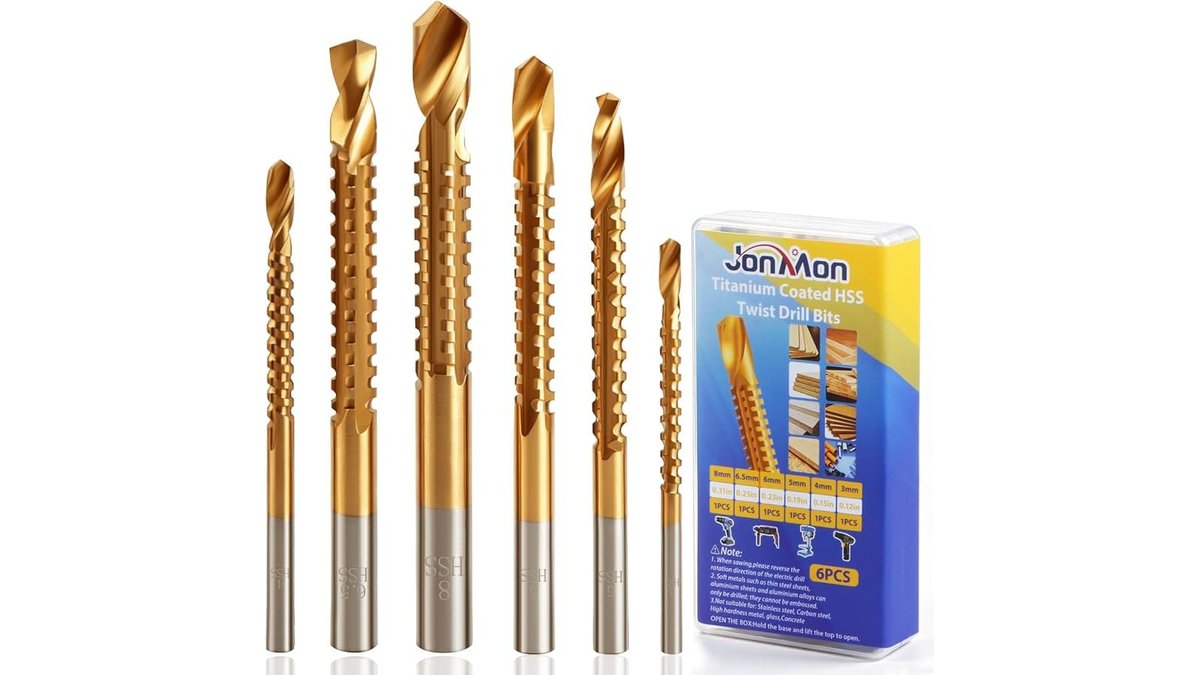
- cobalt or titanium-coated drill bits sized for your hole
- cutting oil or metal-cutting fluid
- two C-clamps or a bench vise to hold the work
- a center punch and hammer
- safety glasses and heavy work gloves
- a rag for wiping away metal shavings
If your bits are dull, replace them before you start — a sharp bit cuts, while a dull one rubs and overheats. Don’t use standard wood bits; they aren’t made for metal and will burn almost immediately. If you need a drill press instead of a hand drill for thick steel, a machine shop can handle that job properly.
Drill metal without burning bits
- clamp the metal tightly to your workbench or hold it in a bench vise so it can’t spin.
- mark the exact hole spot with a center punch and hammer so the bit doesn’t walk.
- set your corded drill to its lowest speed — about 500 to 1,000 rpm for most steel holes.
- put a few drops of cutting oil on the mark, and add more every ten to fifteen seconds while you drill.
- place the bit tip into the center-punched mark, then start the drill at a low speed and apply light pressure.
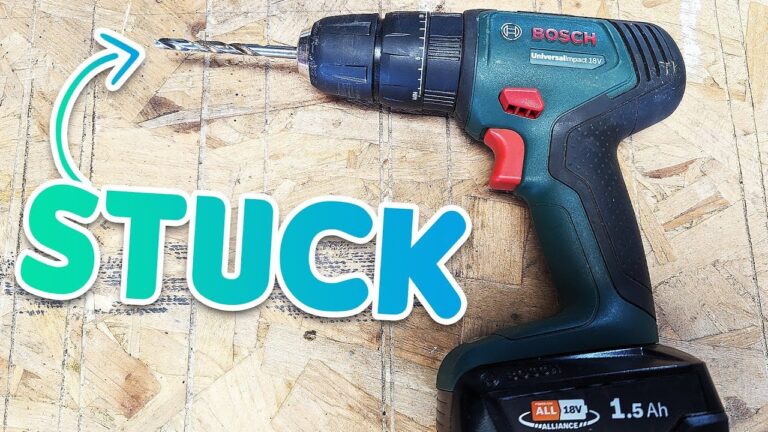
- drill in short bursts, pulling the bit back every few seconds to clear chips and add oil.
- ease off pressure as the bit breaks through the far side so the metal doesn’t tear.
Careful: pressing hard to force the bit through is the fastest way to burn it — let the bit do the work. Tip: if the bit starts to smoke or change color, stop immediately, let it cool, and add more oil before you continue. If you’re drilling thick structural steel or overhead work, a qualified metalworker should handle the job.
How the job changes by metal
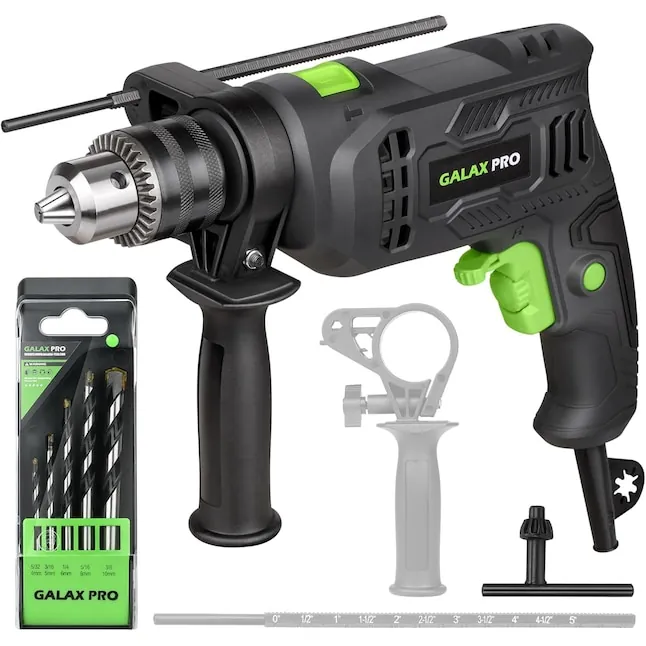
One lead sentence sets the frame: softer metals cut faster, harder metals need slower speeds and more oil, and thicker pieces take longer because heat builds up deeper in the cut.
| metal you’re drilling | time and effort | what changes | watch while it runs |
|---|---|---|---|
| thin sheet metal | fast, light pressure | bit can tear through quickly | don’t let the bit grab and spin the sheet |
| mild steel bar | moderate, steady pressure | heat builds in the center of the bit | smoke or discoloration on the bit |
| stainless steel | slow, more oil | harder metal dulls bits faster | bit temperature — stop and cool often |
| aluminum | fast, but gumms up | soft metal can clog the flutes | chips sticking in the bit |
Start small and add more pressure or speed than to overshoot on the first try, because a burned bit is ruined and a ruined bit can’t be saved.
Know your hole came out clean
A good hole is round, the right size, and has sharp edges with little burr around the rim. A poor hole is oversized, rough, or shows blue or black burn marks on the metal around it. These heat marks indicate you’re running the drill too fast or using a dull bit, which work-hardens the material and ruins your tool’s temper.
The most common quality problem is a bell-mouthed hole, which happens when the bit wobbles because the metal wasn’t clamped tightly enough. If you can move the workpiece by hand, the drill bit will inevitably pull it off center. Keep the work locked down with a heavy-duty C-clamp or a machine vise.
Start with a center punch to create a divot, then use steady, light pressure. If the hole is slightly rough, a deburring tool or a larger bit spun by hand can clean the edge. Always check for circularity before moving to the next step.
Safety rules and cleanup
OSHA requires eye protection and secure workholding when operating power tools, and the manufacturer’s manual for your drill sets the safe speed and handling limits. Ignoring these speed settings causes heat buildup that ruins the temper of the steel, rendering a sharp bit dull in seconds.
After you finish, unplug the drill, sweep up metal shavings, wipe the bit clean, and store it dry so it doesn’t rust. A sharp bit lasts for many holes, but there’s no fixed number. How long yours lasts depends on the metal you drill and how often you cool it. If you see blue or straw-colored discoloration on the tip, you have already overheated the metal and shortened the tool’s life.
If you’re drilling overhead, near live wiring, or in thick structural steel, have a qualified tradesperson do the work instead. If the drill bit catches in heavy steel, the torque can twist your wrist or knock you off a ladder.
Other ways to drill metal
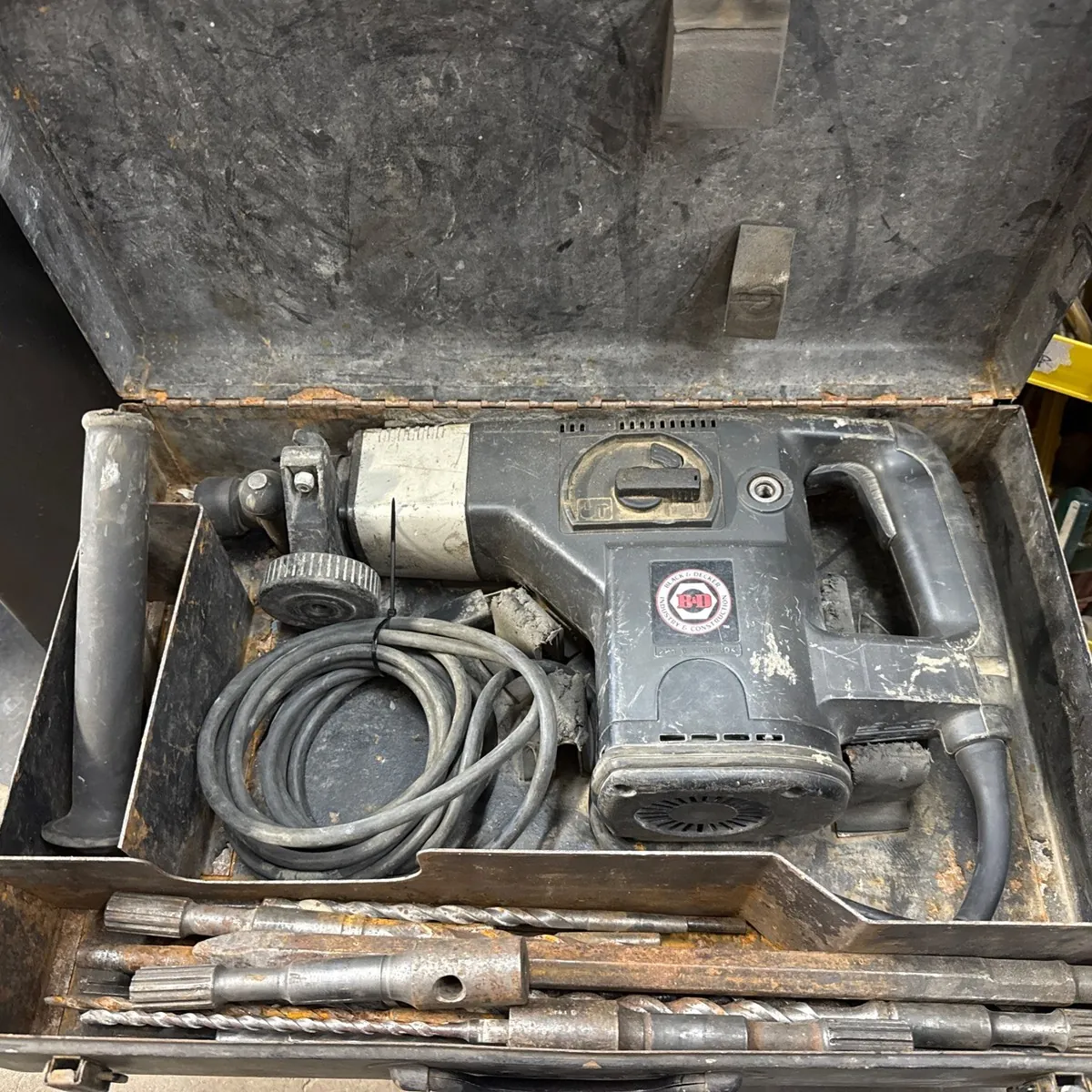
Use a drill press instead of a hand drill
A drill press holds the bit perfectly straight and lets you set one speed for the whole cut, which gives cleaner holes in steel and aluminum. It takes longer to set up because you must clamp the work to the table, but the bit is less likely to wander or burn.
Ask a machine shop to do it
A shop with industrial drills and coolant systems can handle thick stainless or structural steel quickly and precisely. You pay for the job, and you don’t need to own bits, oil, or clamps, but you lose the convenience of doing it yourself at home.
Step up to a larger bit in stages
Drilling a small pilot hole first, then enlarging it with bigger bits, puts less heat on any single bit and works well for larger holes in thick metal. It takes more time and more bit changes, but each cut stays cooler and the final hole is cleaner.
Related guides
Frequently asked questions
What speed should i use on my corded drill?
Use the lowest speed setting on your drill, typically 500 to 1,000 rpm for most steel holes, and slower for stainless or larger bits. If your drill has no speed readout, start at the slowest trigger setting and only increase if the bit cuts cleanly without smoke.
Can i use wd-40 instead of cutting oil?
Yes, wd-40 can work for short cuts in soft metal, but it evaporates quickly and doesn’t cool as well as true cutting oil. Add it more often, and switch to cutting fluid for steel or long holes.
How long does a drill bit last when drilling metal?
There’s no fixed lifespan — a cobalt bit can cut dozens of holes in mild steel if you keep it cool and sharp, but one overheated pass can ruin it. Check the tip before each job and replace it as soon as it dulls or changes color.
Is it safe to drill metal without clamps?
No — an unclamped piece can spin and catch the bit, which can injure your hand or ruin the hole. Always clamp the work or hold it in a bench vise before you start.
What happens if the bit starts to smoke?
Stop immediately — smoke means the bit is overheating and losing its temper, which softens the steel and ruins the cutting edge. Let it cool, add oil, and start again at a lower speed with lighter pressure.
Why does my hole come out larger than the bit?
The bit is likely wobbling because the metal wasn’t clamped tightly or you didn’t start with a center punch. Lock the work down, punch the mark, and drill straight with steady pressure.
Conclusion
Keep the bit sharp, the oil flowing, and the speed low, and your holes will come out clean without burning the cutters.