Circular Saw Blade Size and Arbor Compatibility Guide
A circular saw blade size and arbor compatibility check requires matching the outer diameter of the blade to your saw’s guard capacity and ensuring the center hole, or arbor, fits the drive shaft perfectly. You’ll find these two measurements stamped on the blade or listed in your owner’s manual, and they must match your tool’s specifications exactly to prevent dangerous vibration or improper cutting depth.
Understanding Circular Saw Blade Size and Arbor Compatibility
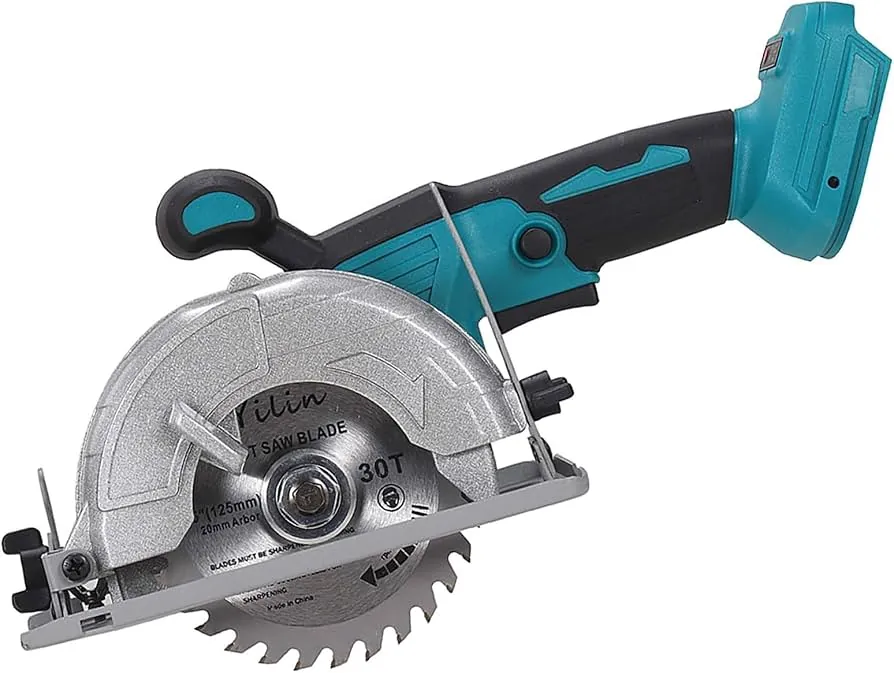
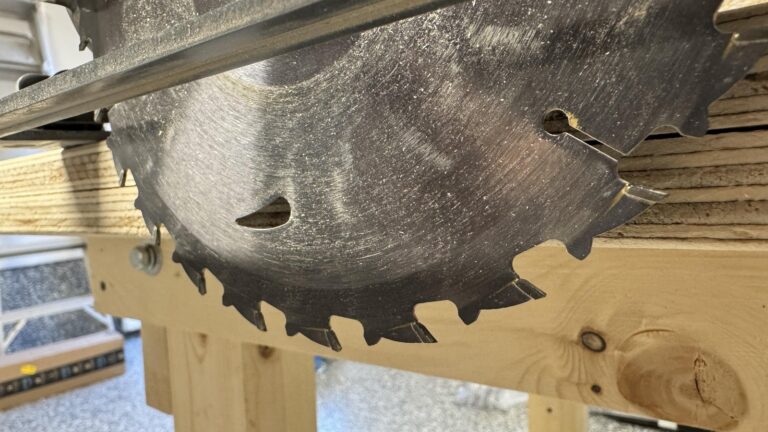
Every circular saw is designed to operate with a specific blade diameter and arbor hole shape. The diameter determines how deep you can cut, while the arbor hole must match the drive shaft diameter so the blade spins true without wobbling. Using a blade that’s too large can interfere with the blade guard, while an incorrect arbor size prevents the flange from securing the blade against the motor shaft.
If your saw uses a diamond-shaped arbor knockout, ensure it’s centered perfectly before tightening the bolt. A blade that sits even a millimeter off-center will create excessive vibration, which ruins motor bearings and leads to jagged, uneven cuts.
Never attempt to enlarge an arbor hole yourself. This creates an off-center blade that can shatter during high-speed rotation. If you find a blade with a larger arbor than your saw, don’t use a bushing; you must purchase a blade that matches your saw’s arbor size exactly. Don’t use plastic or improvised spacers, as these will melt or deform under the heat of friction, causing the blade to slip.
The following table outlines common size combinations you’ll encounter when selecting a replacement blade for standard portable or stationary saws.
| Saw Type | Blade Diameter | Arbor Hole Shape |
|---|---|---|
| 7 1/4″ Circular Saw | 7 1/4 inch | Round (5/8 inch) |
| 6 1/2″ Cordless Saw | 6 1/2 inch | Round (5/8 inch) |
| 10″ Miter Saw | 10 inch | Round (5/8 inch) |
| 12″ Miter Saw | 12 inch | Round (1 inch) |
How to Verify Compatibility Before You Buy
You can determine if a new blade will work by checking the existing hardware and the manufacturer’s markings on your tool. Don’t rely on visual estimates, as a difference of even 1/8 inch can prevent the blade from seating properly.
- Check the current blade: Look at the print on your old blade for the diameter and arbor size, or measure the diameter from tip to tip and the center hole width with a ruler.
- Consult the manual: Open your saw’s instruction booklet to the specifications page to confirm the maximum blade diameter and required arbor size, as ANSI B7.1 safety standards dictate that tools must be used only with accessories designed for that specific model.
- Inspect the mounting flange: Ensure the inner and outer washers are clean and free of debris, as even a small wood chip trapped between the flange and the blade can cause the blade to spin out of alignment.
- Test the fit: Slide the new blade onto the arbor shaft; it should fit snugly with no side-to-side play before you tighten the bolt.
- Clear the guard: Rotate the blade by hand while the saw is unplugged to make sure the teeth don’t hit the housing or the lower blade guard at any point in the rotation.
Common Mistakes That Lead to Poor Cuts
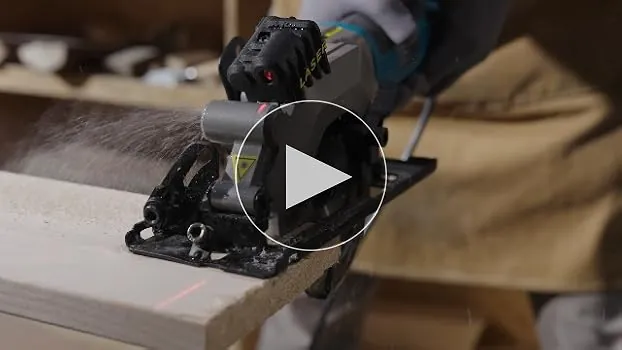
Most users run into trouble when they prioritize blade tooth count over the physical dimensions of the blade. A blade with a high tooth count creates a smoother finish, but it won’t help if the diameter causes the blade guard to hang up or the arbor hole doesn’t seat firmly. Check your saw’s manual for the maximum blade diameter; exceeding this by even a half-inch can prevent the guard from closing fully, which creates a dangerous kickback hazard.
Never use a bushing or adapter to force a blade with a larger arbor hole onto a smaller shaft, as these can introduce imbalances and compromise the secure mounting of the blade. While these adapters exist, they often introduce microscopic imbalances that lead to blade flutter. This vibration ruins the cut quality and puts unnecessary strain on the saw’s motor bearings.
If the blade doesn’t fit the shaft perfectly, choose a different blade rather than modifying the tool. If you notice a faint, wavy pattern on your finished wood surface, stop immediately. That pattern is the signature of a loose arbor fit, and continuing will permanently damage your saw’s spindle.
Related guides
- Using a Hole Saw with a Corded Drill: Size, Power and Safety
- 3/8-Inch vs. 1/2-Inch Corded Drill: Which Chuck Size Do You Need?
- 8 Best Circular Saws for Cutting Plywood and Sheet Goods
Frequently Asked Questions
Can I use a 7 1/4 inch blade on a saw designed for 6 1/2 inches?
No, you shouldn’t do this because the larger blade will likely strike the blade guard, preventing it from retracting properly. This creates an immediate safety hazard and often causes the motor to overheat from the increased load.
What should I do if the arbor hole is too small?
You can’t safely enlarge the hole, so you must return the blade and exchange it for one with the correct arbor size. Attempting to drill or file the hole will almost certainly result in an unbalanced blade that vibrates violently when it spins at high speed.
Does the arbor hole shape matter?
Yes, most portable saws require a round arbor hole, but some specialized miter saws use diamond-shaped or keyed arbors to prevent the blade from slipping. Always match the hole shape exactly to the drive shaft to ensure the power transfers efficiently from the motor to the blade.
Conclusion
Before installing a new blade, always disconnect the power cord or remove the battery to prevent accidental starts. Once the blade is secured, perform a manual rotation check to ensure the guard operates freely and the blade doesn’t rub against the housing.