What Size Air Compressor Do You Need for a Die Grinder?
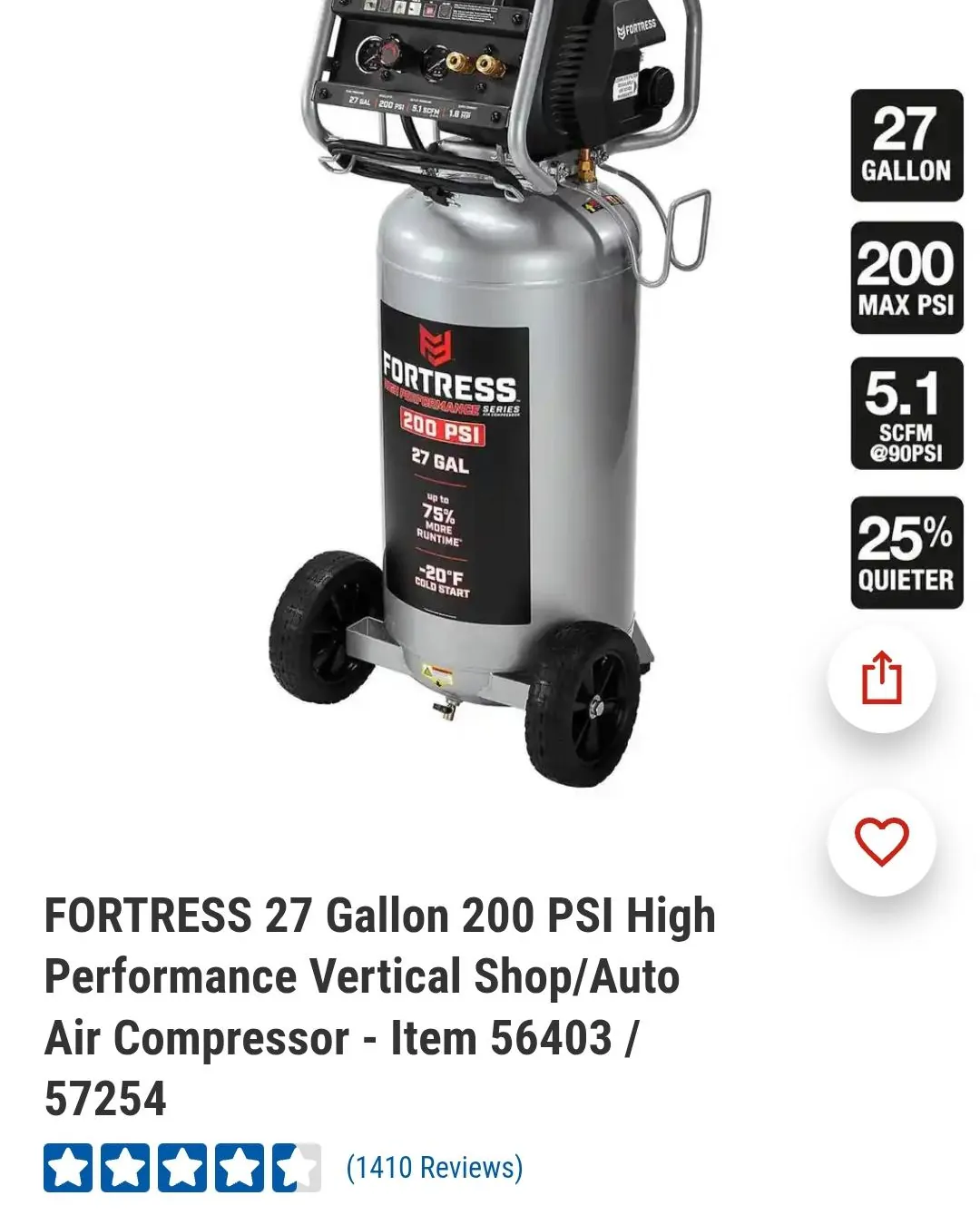
To operate a standard die grinder effectively, you need an air compressor that provides at least 4 to 6 cubic feet per minute (CFM) at 90 pounds per square inch (PSI), typically paired with a tank capacity of 20 to 30 gallons. Because these tools consume significant air volume, matching your equipment to the tool’s rating is essential to avoid constant pauses. Expect to invest anywhere from $350 to $1,200 for a compressor capable of sustained pneumatic tool performance in a home shop environment.
Key Takeaways
- Always verify the “SCFM at 90 PSI” rating on your specific die grinder model before purchasing a compressor.
- A larger air tank acts as a buffer, allowing you to use more air than the pump produces for short bursts.
- Regulate your air pressure to exactly 90 PSI to prevent internal damage to the high-speed motor of the grinder.
- Use high-flow fittings and at least 3/8-inch diameter hoses to prevent air restriction and pressure drop.
- Drain your compressor tank daily to prevent moisture buildup that can corrode pneumatic components from the inside.
What Size Air Compressor for Die Grinder?
The most critical factor when selecting a compressor for a die grinder is the air consumption, measured in SCFM (Standard Cubic Feet per Minute). Die grinders are notorious “air hogs” because they operate at very high RPMs, often between 15,000 and 25,000. If your compressor can’t keep up with the tool’s demand, the motor will lose torque, the bit will stall, and you’ll spend more time waiting for the tank to refill than actually grinding metal.
Most professional-grade die grinders require 4 to 6 SCFM at 90 PSI. If you use a smaller compressor, such as a pancake unit, you’ll experience “duty cycle” issues where the tool stops working every few seconds. For continuous use—such as porting cylinder heads or removing heavy welds—you should look for a compressor that provides at least 20% more CFM than the tool requires to account for line losses and efficiency drops.
Understanding Air Delivery Requirements
When evaluating your needs, you must look beyond the “maximum PSI” advertised on the box. Maximum PSI is often a marketing figure that refers to the tank’s limit, not the tool’s performance. The Occupational Safety and Health Administration provides guidance on the safe use of pneumatic tools, emphasizing that maintaining proper pressure is vital for tool longevity and operator safety. Always check the manufacturer’s plate on your specific grinder to find its exact SCFM requirement.
| Tool Type | Average SCFM @ 90 PSI | Recommended Tank Size |
|---|---|---|
| Standard Die Grinder | 4.0 – 6.0 | 20 – 30 Gallons |
| Extended Die Grinder | 5.0 – 7.0 | 30 – 60 Gallons |
| Right-Angle Die Grinder | 4.5 – 6.5 | 30 – 60 Gallons |
| Mini Die Grinder | 3.0 – 4.0 | 10 – 20 Gallons |
Why Tank Capacity Matters
While the pump’s CFM determines how long you can run the tool, the tank capacity determines how much air you have in reserve. A smaller tank will force the motor to cycle on and off frequently. This constant cycling generates heat and can shorten the lifespan of your compressor motor. A 20-gallon tank is generally the entry-level standard for light automotive work, while a 60-gallon vertical unit is the gold standard for a dedicated home workshop.
Warning: Never attempt to bypass the pressure relief valve on your compressor tank. If the pressure switch fails, the tank can rupture, leading to catastrophic failure and serious injury.
Hose Diameter and Air Flow
Many users mistakenly believe that a long, thin hose will work fine as long as the compressor is powerful enough. However, a 1/4-inch hose acts as a restrictor, causing a significant drop in pressure by the time the air reaches the grinder. For a die grinder, you should always use a 3/8-inch or 1/2-inch hose. This ensures that the air volume isn’t throttled, allowing the tool to reach its full rated speed and torque.
- Use high-flow quick couplers to ensure minimal air restriction.
- Keep hose lengths under 25 feet to maintain optimal pressure.
- Inspect hoses for cracks or leaks regularly to prevent wasted energy.
Do You Need Two-Stage Compressors?
A single-stage compressor is usually sufficient for occasional grinding. However, if you’re a professional or a frequent fabricator, a two-stage compressor is a better investment. A two-stage unit compresses air twice, resulting in a cooler, more efficient output. These units are built for higher duty cycles and can handle the heavy, continuous air demands of die grinders without overheating the pump.
Pro Tip: If your shop has limited space, consider a vertical tank configuration. It offers the same volume as a horizontal tank but occupies a smaller footprint, allowing you to fit a larger, more capable compressor into a cramped garage or workshop corner.
Managing Moisture in Your Lines
Because die grinders are high-speed tools, moisture in the air lines is particularly damaging. Water droplets can enter the air motor, washing away the internal lubricants and causing the vanes to stick or fail. Always install an inline air filter and regulator assembly as close to the tool as possible. This setup catches water before it enters the grinder and ensures that the pressure remains constant at the 90 PSI sweet spot.
Essential Maintenance for Longevity
Pneumatic equipment requires a strict maintenance schedule to remain functional. Because grinders run at such high speeds, they’re sensitive to debris and friction. If your compressor is poorly maintained, it will push oil and debris into your tool, leading to a rapid decline in performance.
| Maintenance Task | Frequency | Purpose |
|---|---|---|
| Drain Tank Condensate | Daily | Prevent internal rust and tool damage |
| Check Pump Oil Level | Weekly | Ensure lubrication of moving parts |
| Inspect Air Filters | Monthly | Prevent dust from clogging the intake |
| Tighten Belt Tension | Quarterly | Maintain efficient power transfer |
Selecting the Right Grinder Model
When shopping for a die grinder, look for reputable brands that provide clear specifications. Avoid generic tools without a listed SCFM rating, as these often lack the internal balance needed for high-speed operation. Reliable options include:
- Ingersoll Rand 300 series grinders for heavy-duty industrial use.
- Chicago Pneumatic models for consistent automotive workshop performance.
- Sunex Tools for reliable, budget-friendly options for home hobbyists.
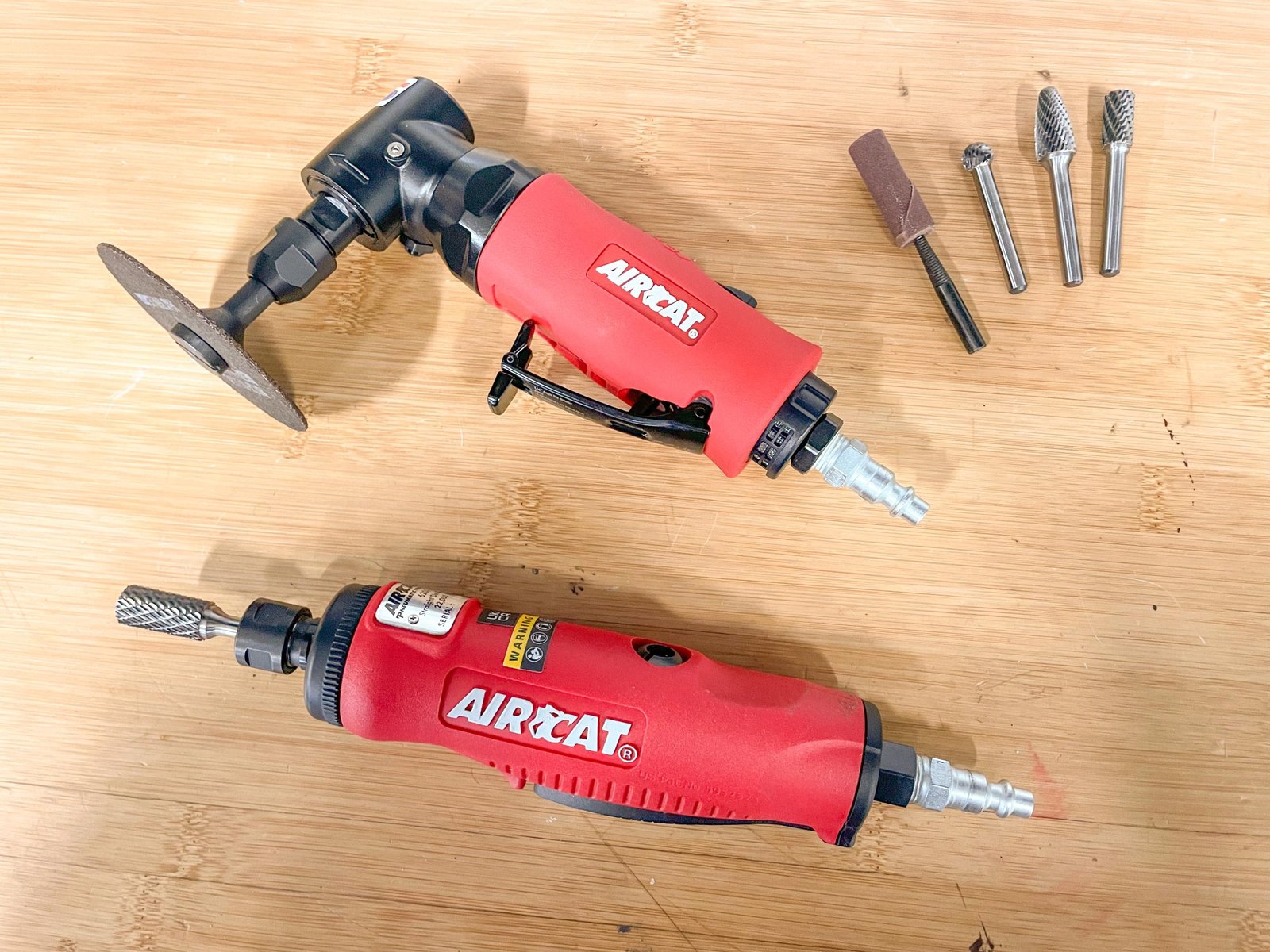
- Aircat grinders, known for their low-vibration and quiet motor designs.
Related guides
- Best Air Compressor for Tubeless Bike Tires: Top Portable Inflators Reviewed
- Best Garage Air Compressor for Car Tires: Top Portable Inflators Reviewed
- Best Cordless Die Grinders: What to Compare Before You Buy
Frequently Asked Questions
Can I use a pancake compressor for a die grinder?
You can, but it isn’t recommended for anything beyond very brief, intermittent tasks. A pancake compressor lacks the air volume and CFM output to keep a die grinder running for more than a few seconds at a time. You’ll spend the vast majority of your time waiting for the compressor to recharge, which is inefficient and frustrating for any serious grinding work.
What happens if the PSI is too high?
Running a die grinder above 90 PSI is dangerous and can destroy the tool. High pressure forces the grinder to spin faster than its design limits, which can cause the internal bearings to overheat and fail. Furthermore, the grinding burr or cutoff wheel can shatter at excessive speeds, creating a significant projectile hazard that can cause severe injury to the operator or bystanders.
How do I stop my compressor from cycling constantly?
Constant cycling usually indicates that your tool is consuming more air than the compressor can produce. To fix this, you either need a larger compressor, a larger air tank, or you must switch to a tool that requires less CFM. You can also check for air leaks in your fittings, hoses, and connections, as even small leaks force the compressor to work harder than necessary.
Is a belt-driven compressor better than direct drive?
Yes, for a die grinder, a belt-driven compressor is superior. Belt-driven models typically operate at lower RPMs, which results in less heat generation, quieter operation, and significantly longer pump life. Direct-drive compressors are lighter and more portable, but they’re generally intended for light-duty tasks like inflating tires or using a brad nailer rather than the continuous air demand of a pneumatic grinder.
Why does my die grinder lose power after a few seconds?
The drop in power is caused by a drop in air pressure. When the compressor can’t keep up with the tool, the tank pressure falls below the required 90 PSI. Once the pressure drops, the grinder loses the necessary force to maintain its RPM under load. This confirms that your compressor is undersized for the specific tool you’re using, requiring either a larger tank or a higher CFM pump.
Conclusion
Investing in the right setup ensures that your projects remain productive and your tools stay in peak condition. Always prioritize a compressor that meets or exceeds the SCFM requirements listed on your die grinder’s data plate. Start by checking the specific requirements of your current tools, then shop for a unit that provides a comfortable buffer for your future workshop needs.