
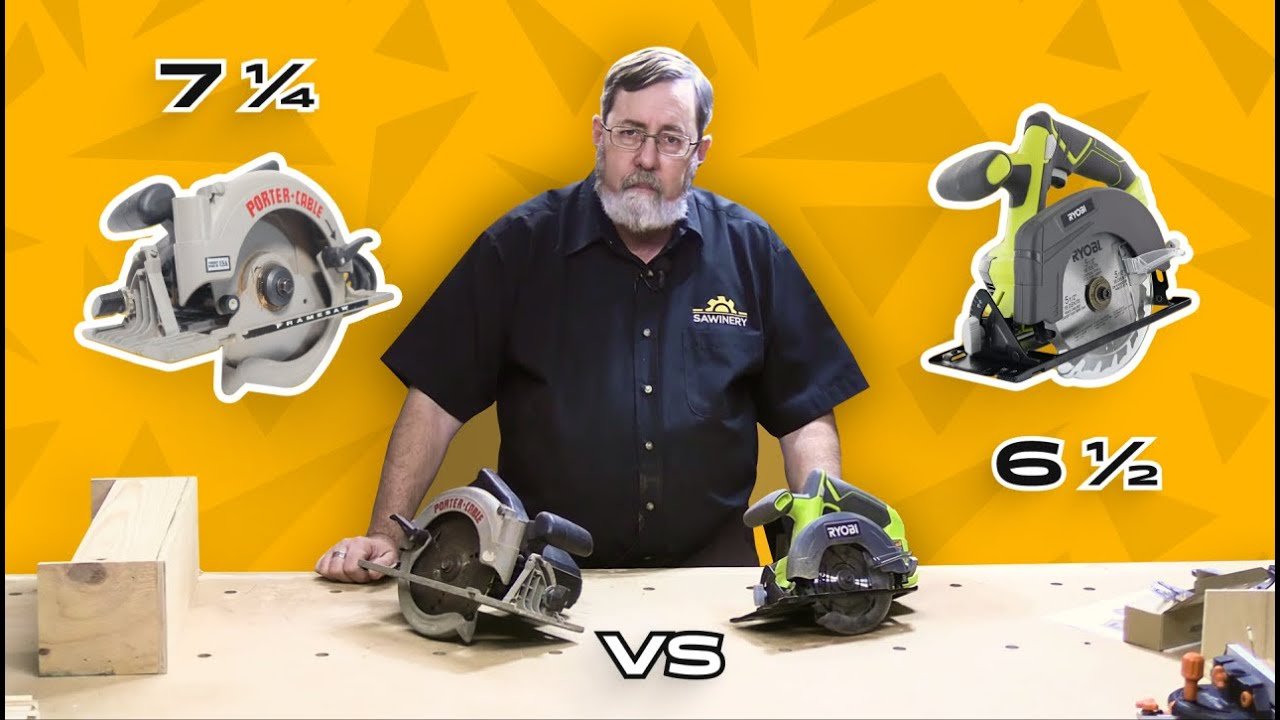
6-1/2-Inch vs 7-1/4-Inch Circular Saw: Which Size Do You Need?
Choosing the right circular saw size can often feel overwhelming, especially when you’re staring at a shelf full of options at your local hardware store. When you’re trying to decide between a 6-1/2-inch vs 7-1/4-inch circular saw, the choice largely depends on the specific intensity of your projects and your personal comfort with tool weight. Both sizes are standard in the industry, but they serve slightly different functions depending on whether you’re doing light remodeling or heavy-duty framing. Prices for these tools typically range from $85 to $280 depending on the motor type and battery platform.
Key Takeaways
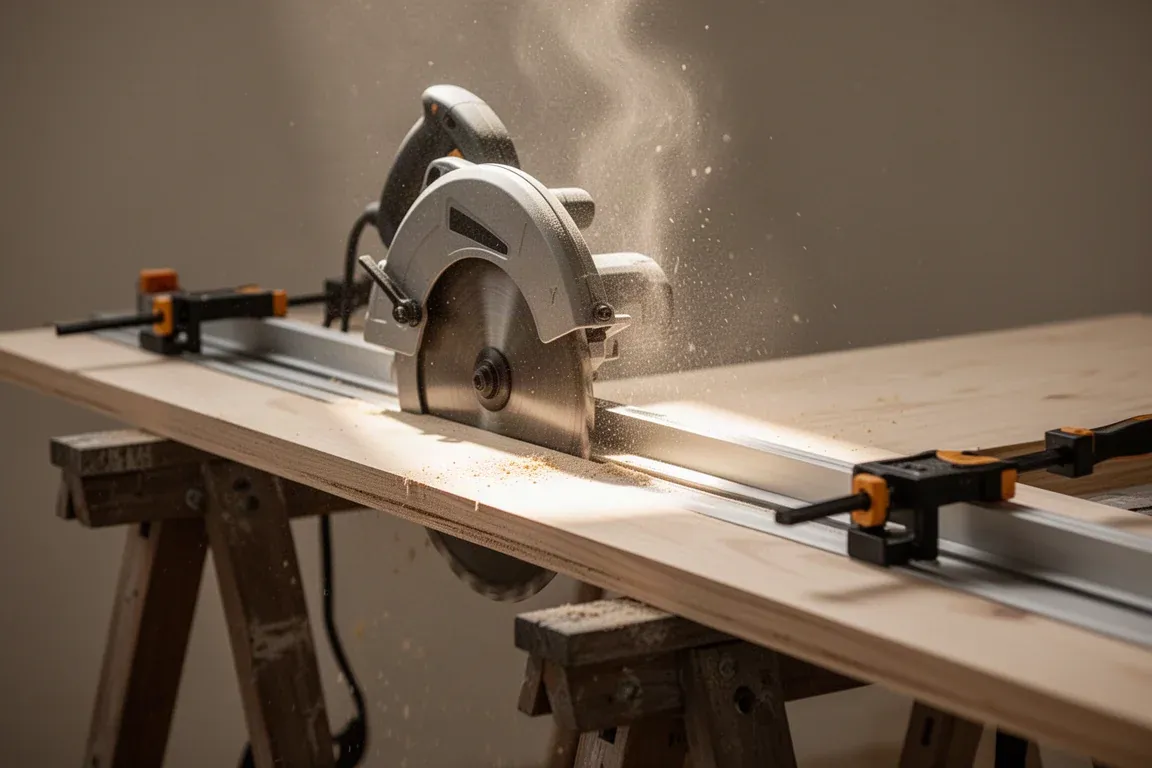
- Choose a 6-1/2-inch model if you prioritize weight savings and primarily work with standard dimensional lumber.
- Select a 7-1/4-inch saw if you need to cut through thick timber or 4×4 posts in a single pass.
- Verify your blade availability; 7-1/4-inch blades are universally stocked at every home center.
- Consider a cordless 6-1/2-inch saw for overhead work to reduce muscle fatigue during long days.
- Check your existing battery ecosystem before buying to save money on unnecessary chargers and cells.
Understanding Saw Blade Sizes
The blade diameter determines the maximum depth of cut your saw can achieve. A 6-1/2-inch blade typically provides a maximum depth of cut around 2-1/8 inches at 90 degrees. In contrast, a 7-1/4-inch saw can reach depths of approximately 2-1/2 inches. This difference might seem minor, but it dictates which materials you can slice through in one clean motion.
Why Blade Diameter Matters
The physical size of the blade also affects the torque and speed of the motor. Larger blades have more mass, requiring a more robust motor to maintain speed under load. Smaller blades spin up faster and are often easier to control for beginners or those performing intricate trim work.
| Feature | 6-1/2-Inch Saw | 7-1/4-Inch Saw |
|---|---|---|
| Max Cut Depth | ~2-1/8 Inches | ~2-1/2 Inches |
| Common Weight | 6–8 lbs | 8–12 lbs |
| Best Use Case | Finish Carpentry | Heavy Framing |
| Blade Selection | Moderate | Extensive |
Is the 6-1/2-Inch Saw Better?
The 6-1/2-inch circular saw is the go-to for DIY enthusiasts and professionals who move around job sites frequently. Its main advantage is portability and ergonomics. Because the tool is smaller, the motor is often more efficient at drawing power from compact battery packs. You’ll find that these saws are significantly easier to maneuver when you’re cutting plywood sheets or working on a ladder.
Pro Tip: If you spend most of your day cutting 3/4-inch plywood or 2×4 studs, the 6-1/2-inch model is plenty powerful and will save your wrists from unnecessary strain.
When to Choose 7-1/4-Inch Saws
The 7-1/4-inch circular saw is the workhorse of the construction industry. If you’re building a deck or framing a house, this is the tool you want. It provides the maximum depth capacity needed to cut through a 4×4 post in one pass, which is a common requirement in structural framing. Furthermore, the sheer variety of blades available for this size—ranging from fine-finish carbide to aggressive demolition teeth—makes it more versatile for diverse tasks.
Safety and Stability Factors
Larger saws are generally heavier, which can be a drawback for portability, but the added weight often helps keep the saw base firmly planted on the workpiece. The mass of a 7-1/4-inch saw can provide a more stable platform for long, straight rip cuts.
Comparing Weight and Ergonomics
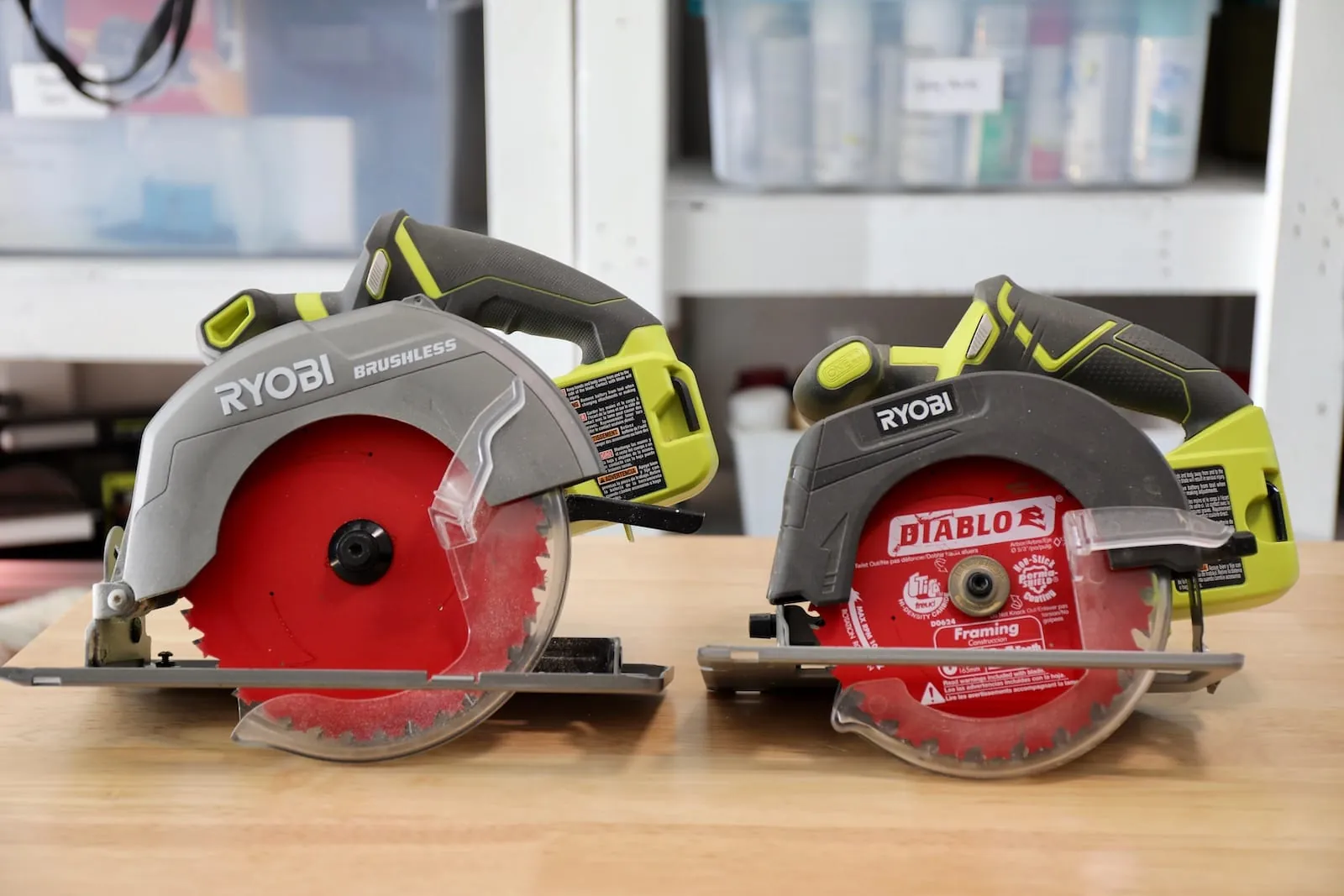
Weight is the most cited difference between these two tools. A typical 6-1/2-inch cordless saw might weigh as little as 6 pounds, while a high-torque 7-1/4-inch worm-drive saw can weigh well over 12 pounds. If you’re performing repetitive tasks like cutting dozens of pieces of siding, the weight difference will be noticeable by the end of the day.
Blade Availability and Cost
You’ll never struggle to find a replacement blade for a 7-1/4-inch circular saw. It’s the industry standard size, and every store carries a massive selection of high-quality options. While 6-1/2-inch blades are also widely available, you may find fewer specialized options, such as ultra-thin kerf blades or specific metal-cutting variations, compared to the larger 7-1/4-inch size.
Power and Performance Expectations
Modern brushless motors have closed the gap significantly between these two sizes. A high-end 6-1/2-inch brushless saw can often outperform an older, corded 7-1/4-inch saw in terms of raw cutting speed. However, if you’re working with wet, pressure-treated lumber or dense hardwoods, the larger blade of the 7-1/4-inch saw offers better clearance and less likelihood of the motor stalling under heavy pressure.
Maintenance and Long-Term Care
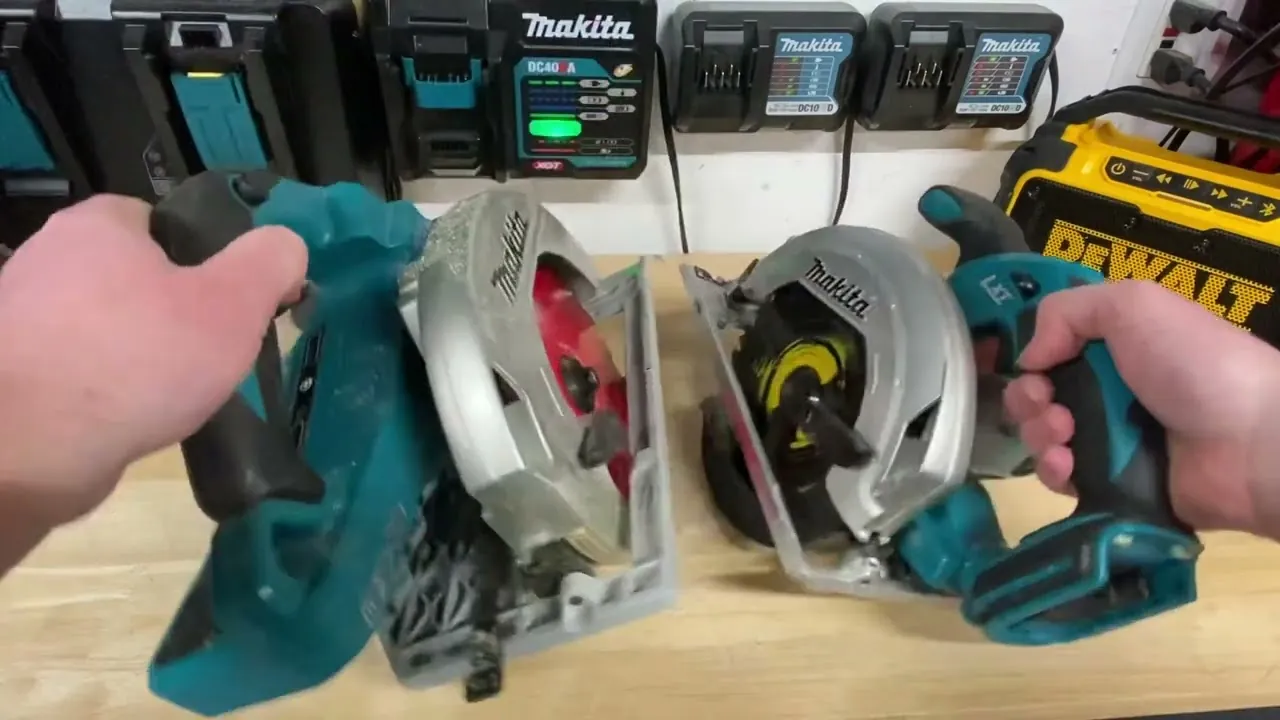
Regardless of the size you choose, maintaining your saw is vital for performance. Always ensure the blade guards are clean and retract freely before every use. Dust buildup in the motor vents can cause overheating, so using compressed air to clear the housing is a good habit. Keep your base plates free of pitch and resin to ensure the saw slides easily across your lumber.
Warning: Never attempt to bypass or remove the lower blade guard, as this is the primary safety mechanism designed to prevent accidental contact with the spinning blade.
Frequently Asked Questions
Can I put a 7-1/4-inch blade on a 6-1/2-inch saw?
No, you cannot. A 6-1/2-inch circular saw is designed specifically for its smaller blade diameter. The motor speed, torque settings, and the physical clearance of the blade guard are all calibrated for the smaller disc. Attempting to fit a larger blade will prevent the guard from closing properly and can lead to dangerous motor overheating or mechanical failure.
Which saw is better for a beginner?
A 6-1/2-inch saw is often better for a beginner because it’s lighter and easier to control. The reduced weight makes it less intimidating to handle, and it’s perfectly capable of cutting the standard 2×4 lumber used in most beginner DIY projects. It provides enough power for learning the basics without the added bulk and weight of a full-sized framing saw.
Do I need a corded or cordless saw?
Cordless saws offer unmatched convenience and mobility, which is great for most homeowners. However, if you’re doing heavy-duty work for hours at a time, a corded 7-1/4-inch saw provides constant power without the need to swap or charge batteries. For most residential projects, modern cordless 18V or 20V systems are more than sufficient to complete the task effectively.
Is the cut quality different between the two?
The cut quality is determined more by the blade type and your technique than by the size of the saw itself. If you use a high-tooth-count finish blade on either a 6-1/2-inch or 7-1/4-inch saw, you’ll achieve a clean, smooth cut. Always ensure your blade is sharp and that you’re moving the saw at a consistent speed to prevent burning the wood.
Does a larger blade cut faster?
Not necessarily. While a larger blade has more surface area, the speed of the cut is primarily determined by the motor’s power and the sharpness of the blade. A 7-1/4-inch saw might be faster when cutting very thick material because it can complete the cut in one pass, whereas a smaller saw might require flipping the board to finish the job from the other side.
Conclusion
Choosing the right saw comes down to how much weight you’re willing to carry versus how much depth you actually need for your specific projects. If you’re doing light renovation, choose the lighter, more portable option. If you’re building structures, go with the larger, more versatile workhorse. Take your new saw to a scrap piece of lumber to practice your guide alignment before starting your main project.
One Comment