How to Use a Miter Saw Safely: Essential Beginner Guide
You start to use a miter saw safely by keeping your fingers at least 6 inches away from the blade path and wearing eye protection at all times. This guide explains how to operate the machine, what safety gear is mandatory, and how to avoid common mistakes during cuts.
Understanding the Miter Saw
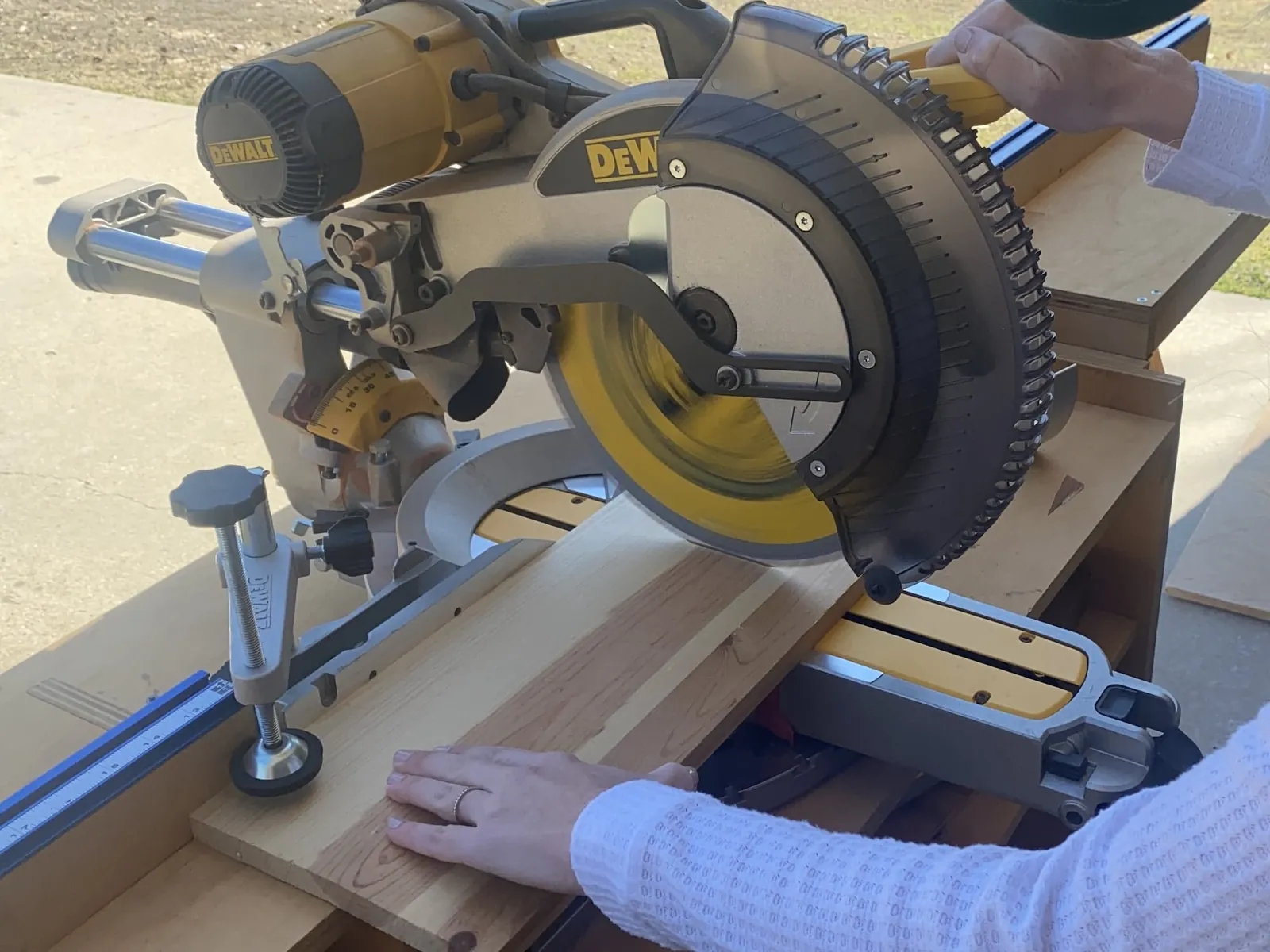
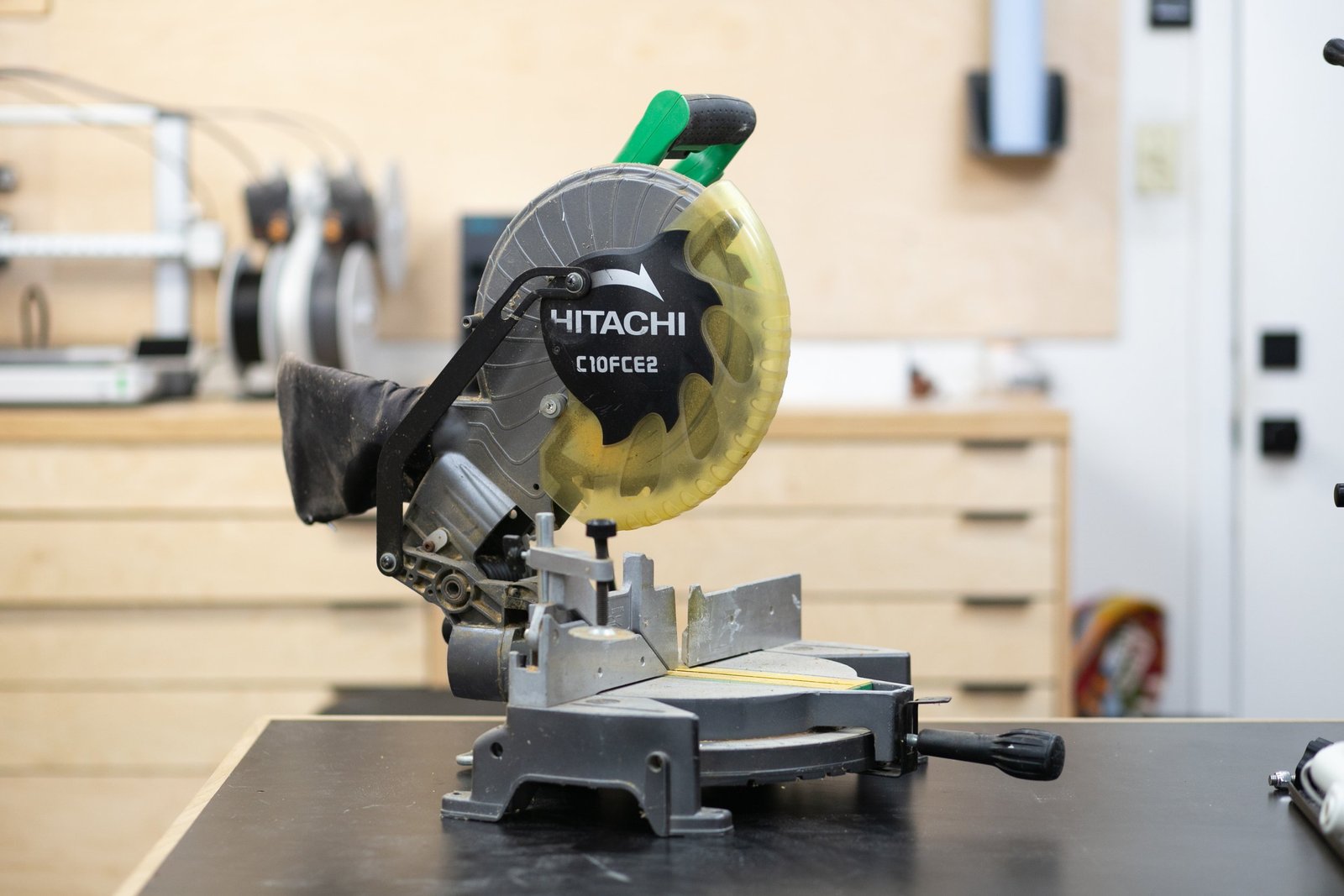
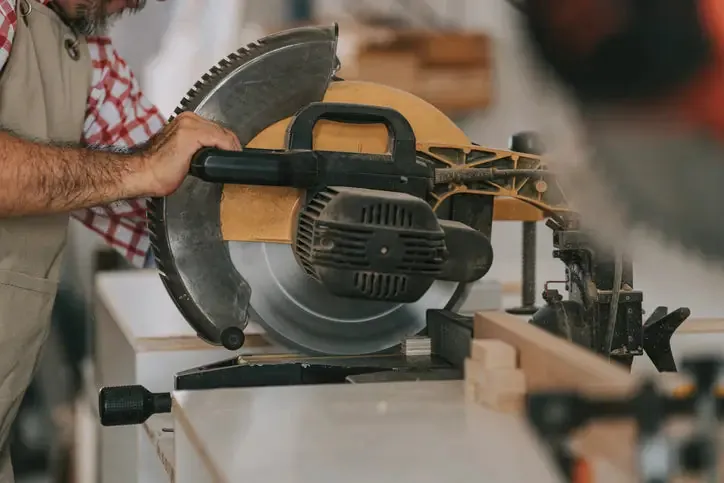
A miter saw is a power tool designed to make accurate crosscuts and miter cuts in wood. It features a circular blade mounted on a swing arm that pivots left or right to cut at specific angles. This tool is ideal for building frames, installing trim, or cutting boards to precise lengths.
One common mistake is thinking the saw can cut any material; it’s intended only for wood and soft plastics. Always check your manual to see what your specific model can handle.
Steps for Making Accurate Cuts
- Unplug the saw before changing blades or making adjustments to the fence.
- Secure your workpiece against the fence using a clamp so your hands remain clear of the blade.
- Set your desired miter angle by loosening the locking handle and turning the table until the indicator points to your mark.
- Put on your safety glasses and hearing protection before you plug the saw back in.
- Hold the handle, pull the trigger to start the blade, and wait for it to reach full speed.
- Lower the blade smoothly through the wood, complete the cut, and keep the trigger depressed until the blade has fully exited the workpiece.
- Wait for the blade to stop spinning completely before you remove the cut piece from the table.
If you’re cutting long boards, use a support stand so the wood doesn’t tip and bind the blade. If you lack experience with power tools, ask a professional to show you the controls in person before your first attempt.
Quality and Precision Details
Experienced users always perform a “dry run” before they turn the saw on. This means lowering the blade while the tool is unplugged to ensure the path is clear and the wood is positioned correctly. If the blade touches the fence or a clamp during this test, you must adjust the setup before proceeding.
Another detail is the condition of the blade itself. A dull blade forces the motor to work harder and increases the chance of the wood jumping during the cut. You should inspect the teeth for chips and ensure the blade is clean of resin buildup. If the saw struggles to push through the wood, don’t force it; replace the blade with one suited for your material.
Troubleshooting Common Issues
| What you notice | What it usually means | What to do first |
|---|---|---|
| Burning on wood | Dull blade | Change the blade |
| Rough edges | Wrong tooth count | Use a higher tooth count |
| Blade binds | Wood shifted | Use clamps |
| Motor slows down | Feeding too fast | Slow your downward speed |
Rules for Safe Operation
Safety rules are established by the Occupational Safety and Health Administration to protect users from accidental contact with moving parts. You must never remove the blade guard, as it’s your primary defense against flying debris and accidental contact. If you need to make a complex cut that requires removing the guard, you’re likely using the wrong tool for the job. Always wear close-fitting clothing and remove jewelry or loose gloves that could get caught in the spinning blade.
Maintaining Your Saw
After every project, clean the dust from the base and the blade cover with a vacuum or dry brush. Dust buildup can interfere with the pivoting mechanism and make the saw stiff. Check the angle scale periodically to ensure it still reads zero when the blade is square to the fence. If the accuracy drifts, use a metal square to recalibrate the scale based on the instructions in your owner’s manual.
Choosing a Different Tool
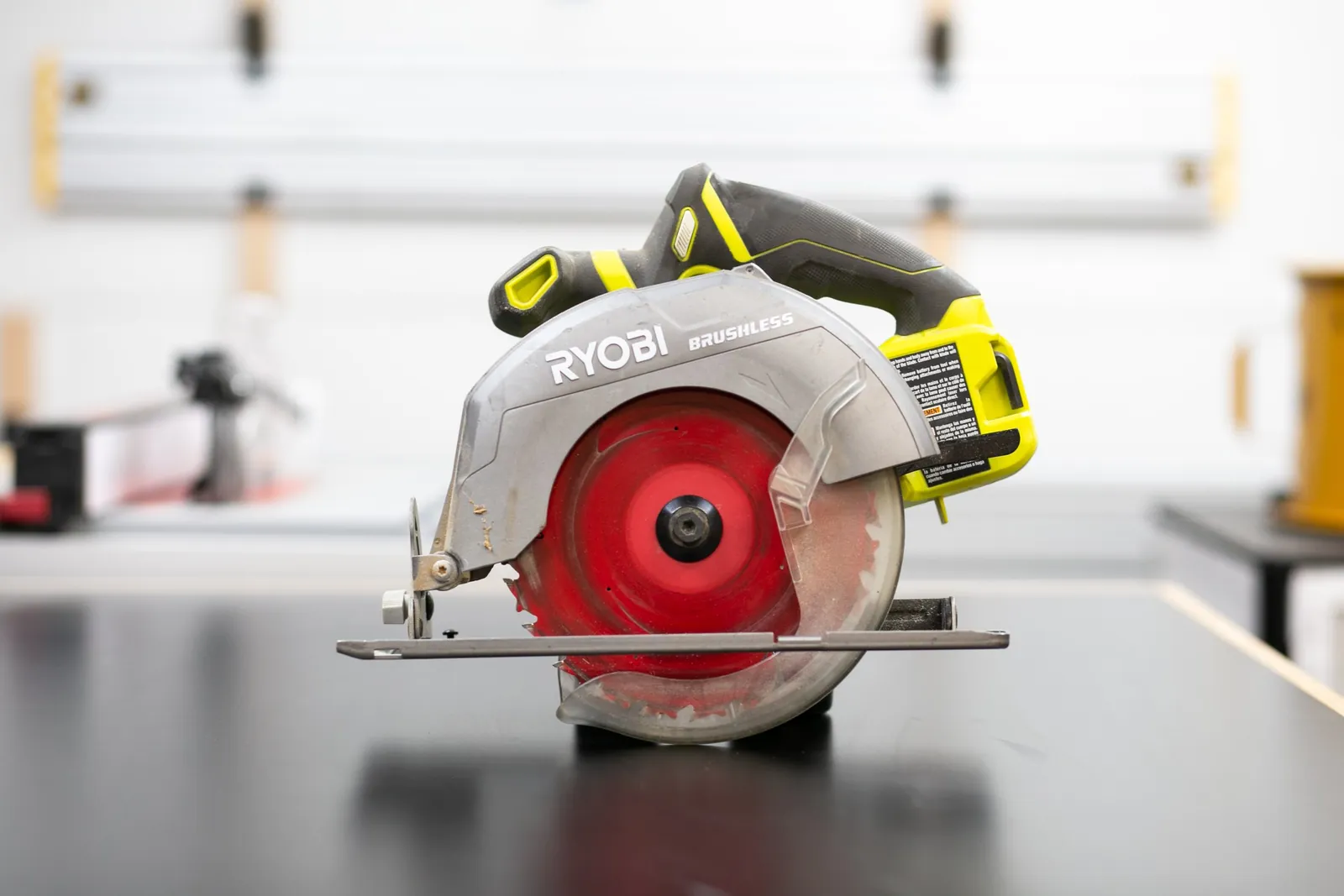
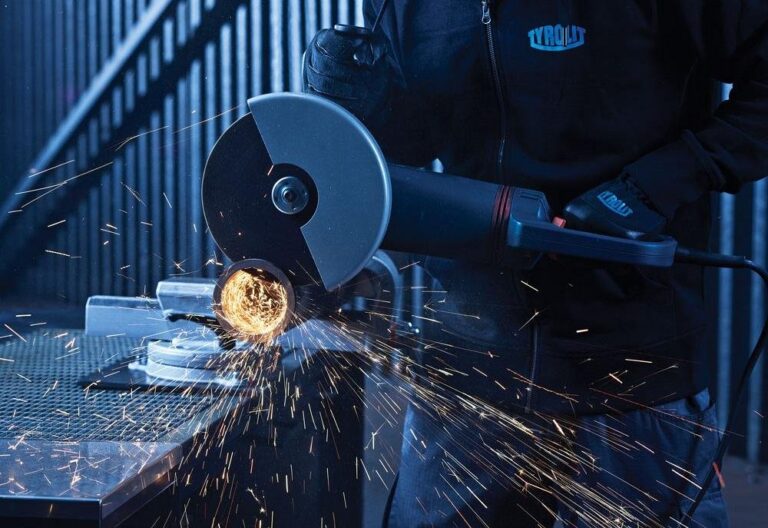
If you need to cut very long sheets of plywood, a miter saw is the wrong choice. Instead, use a circular saw with a straight-edge guide to ensure a clean, stable cut. If you’re cutting metal or masonry, you must use a specialized saw designed for those materials. Using a wood-cutting miter saw on these items will destroy the blade and create a high risk of injury.
Related guides
- 10 Best Miter Saw Blades: Expert Picks for Quality Cuts
- 10 Best Budget Miter Saws for Home Projects: Our Top Picks
- 10 Best Circular Saw for Beginners Picks and Expert Verdicts
Frequently asked questions
Can I use a miter saw to cut metal?
No, you can’t use a standard wood miter saw for metal because the blade speed is too high and it lacks the necessary cooling system to prevent dangerous sparks and overheating.
How long should I wait before lifting the saw?
You should wait until the blade stops spinning completely, which usually takes 3 to 5 seconds after you release the trigger, to avoid catching the wood and causing a kickback.
Is it safe to cut small pieces of wood?
No, it isn’t safe to hold small pieces of wood by hand; you must use a clamp or a jig to keep your fingers at least 6 inches from the blade.
Why does my saw smoke when I cut?
Your saw is smoking because the blade is dull or you’re feeding the wood through the blade too quickly, causing friction heat that burns the surface of the timber.
How often should I sharpen the blade?
You should sharpen or replace the blade when you notice burning on the wood or when the saw requires significantly more pressure to complete a standard cut through pine.
What happens if the blade gets stuck in the wood?
If the blade gets stuck, release the trigger immediately and wait for the motor to stop completely before you attempt to remove the wood from the saw’s path.
Conclusion
Maintaining your focus is the most important part of using a miter saw. Never look away from the blade while the motor is running, and keep your workspace clear of scrap wood and tools. If you feel tired or distracted, stop working and resume when you’re fully alert.