Are Impact Drivers Loud? Noise, Hearing Protection & Quieter Options
Impact drivers are indeed loud tools, typically producing noise levels between 100 and 105 decibels during operation. Because these tools use a hammering mechanism to drive fasteners, they create significant volume that requires you to manage hearing protection and quieter options for long-term safety.
The primary reason for this high noise level is the mechanical impact of the internal anvil hitting the hammer to create torque. If you work with these tools for more than a few minutes at a time, you risk permanent hearing damage without proper protection.
The most common mistake users make is assuming that because the tool is small, it can’t damage their hearing as quickly as larger machinery. This is false; the short, sharp bursts of sound are intense enough to exceed safe exposure limits very rapidly.
Protecting your hearing from loud impact drivers

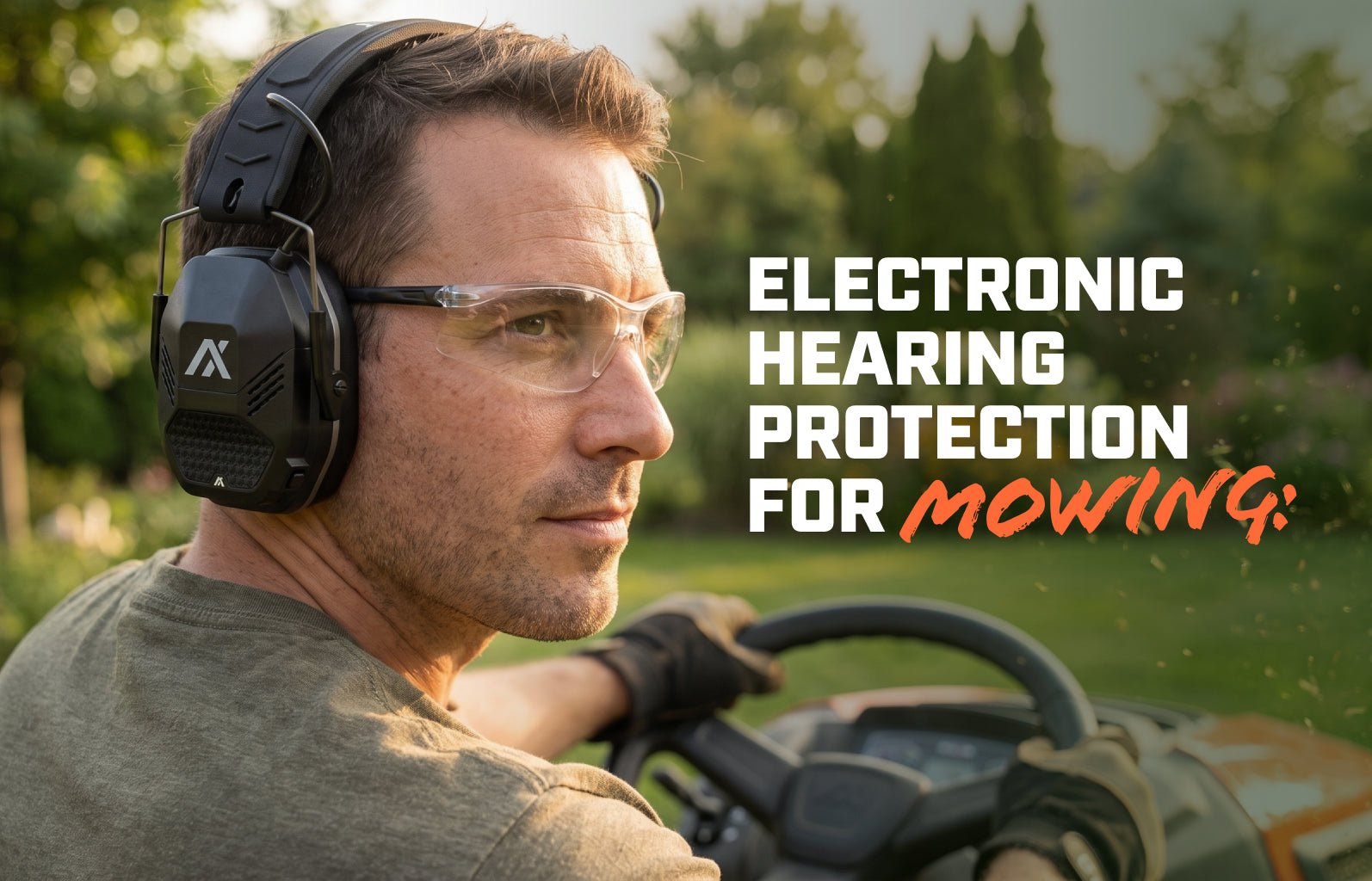
- Select earplugs or earmuffs with a Noise Reduction Rating (NRR) of at least 25 decibels.
- Inspect your hearing protection for cracks or stiff seals before every use to ensure a tight fit.
- Place the protection over or inside your ears before you pull the trigger on the tool.
-
If you’re working in a confined space, use double protection by wearing earplugs under earmuffs.
Tip: Always verify the fit of your ear protection by speaking; your own voice should sound muffled and hollow if the seal is correct. -
Follow the OSHA occupational noise exposure standards regarding safe time limits for 100-decibel environments, which is 2 hours per day without protection.
Tip: If you feel a ringing sensation in your ears after work, you have been exposed to too much noise and need better gear.
Measuring Exposure Time
The duration you can safely work depends on the noise intensity of your specific model. When the tool is louder than the manufacturer’s rating, you must reduce your exposure time accordingly.
| Task Type | Exposure Time | What Changes It | What to Watch For |
|---|---|---|---|
| Short fastening | Under 5 mins | Material density | Ringing in ears |
| Constant driving | 15 minutes | Tool RPM | Heat buildup |
| Heavy-duty use | 30 mins max | Use of PPE | Ear discomfort |
If you find that your ears feel tired or sore after even short sessions, stop immediately and check if your ear protection is rated for the correct decibel level.
Checking Tool Performance Status
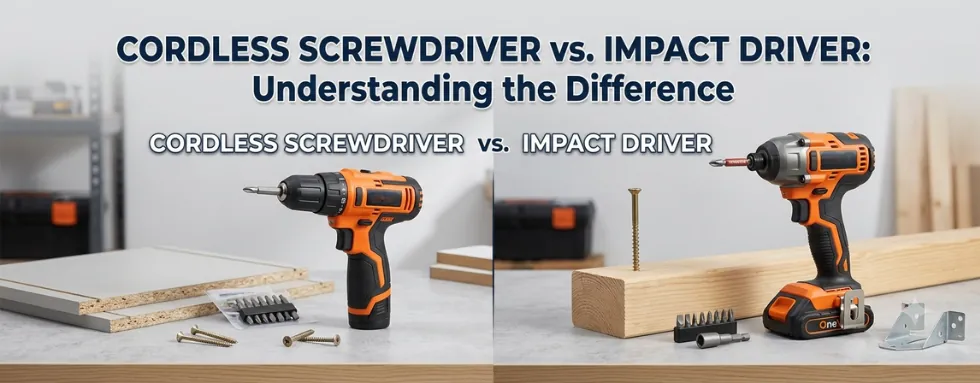
You can tell your tool is working as intended when the sound is a consistent, rapid metallic clicking. If the sound shifts to a grinding or screaming noise, the internal lubrication has likely failed. The ultimate test is a decibel meter app on your phone; if the reading spikes above 105 decibels while the tool is under a load, the internal mechanism may be worn.
Common Operational Errors
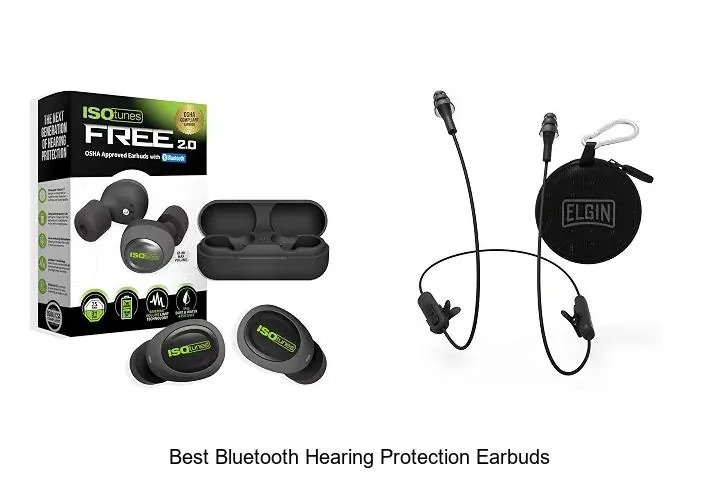
- Using the tool without ear protection: This causes immediate and cumulative damage to your inner ear hair cells, which can’t regrow. Always keep a pair of plugs in your tool bag so you’re never tempted to skip them.
- Working in small, enclosed rooms: The sound reflects off hard surfaces like concrete or wood, which increases the overall noise intensity at your ears. Move to an open area or use acoustic foam panels if you must work in a small space.
- Ignoring tool maintenance: A dry, unlubricated impact mechanism produces significantly more friction and noise than a clean one. Regularly apply the manufacturer-recommended grease to the impact assembly to keep noise levels within the expected range.
Related guides
- Impact Driver vs Impact Wrench: Key Differences and Uses
- 10 Best Impact Drivers for Automotive Work: Our Expert Picks
- Best Impact Drivers for DIYers: Picks for Different Jobs
Frequently asked questions
How loud is an impact driver in decibels?
Most impact drivers produce between 100 and 105 decibels of noise when under a load. This level is significantly higher than a standard drill and can cause hearing damage if you’re exposed to it for more than 15 minutes without protection.
Is it safe to use an impact driver without earplugs?
No, it’s never safe to use an impact driver without earplugs for any length of time. The intensity of the sound is high enough to cause permanent hearing loss after a single session of prolonged use in a confined space.
Can I buy a quiet impact driver?
No, there’s no such thing as a silent impact driver because the noise is created by the physical metal-on-metal impact mechanism. You can choose models with better internal dampening, but they will still exceed 90 decibels during heavy use.
How long can I use an impact driver safely?
You can use an impact driver for up to 2 hours in an 8-hour shift at 100 decibels before you reach the OSHA permissible exposure limit. If you work longer than this, you must use high-quality hearing protection to prevent long-term damage to your ears.
Why does my impact driver sound like it’s grinding?
It sounds like it’s grinding because the internal grease has likely dried out or the anvil is worn. Stop using the tool immediately, as this indicates excess friction that will lead to permanent tool failure and potentially higher noise levels.
What happens if I ignore the noise?
Ignoring loud noise leads to permanent hearing loss or tinnitus over time. Your ears don’t adapt to the sound; instead, they sustain cumulative damage every time you operate the tool without proper protection.
Conclusion
Protecting your ears shouldn’t feel like a chore, so keep a pair of comfortable earplugs in your tool bag. It’s a simple habit that’ll save your hearing for years to come. Next time you head to the hardware store, look for models with pulse-drive technology; you won’t regret the upgrade.