Circular Saw Kickback: Causes, Prevention, and Safe Setup
A circular saw kickback happens when the blade gets pinched or binds in the wood, causing the tool to climb out of the cut and jump violently toward the operator. You can prevent this by keeping your saw base flat against the workpiece, supporting the waste side of your material, and using a sharp, clean blade at the correct depth.
Preventing Circular Saw Kickback
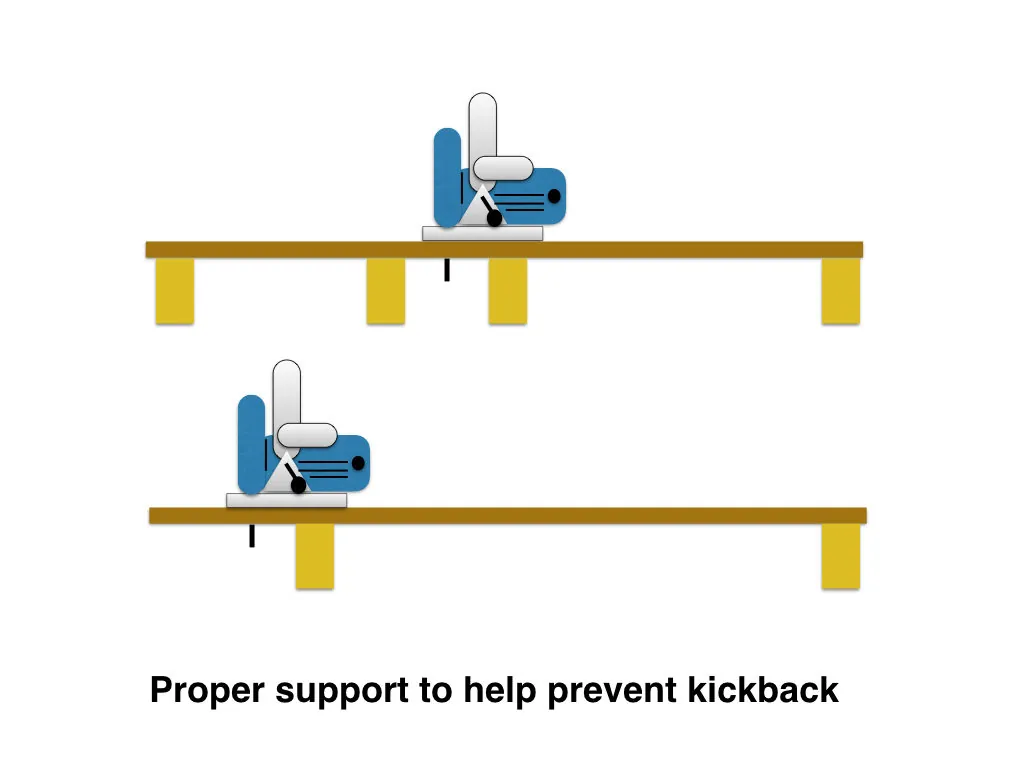
You’ll significantly reduce the risk of a sudden jump by managing how the wood reacts to the cut. When a board is supported only at the ends, the weight of the material causes the kerf to close as you pass through, pinching the blade.
Support both sides of the cut. If you’re trimming a board, place your material on stable sawhorses so the offcut doesn’t sag. If the offcut drops, the board will bow upward and trap the blade instantly.
Set your blade depth so the teeth extend just below the bottom of the workpiece. This minimizes the surface area of the blade in contact with the material, which reduces the chance of the teeth grabbing.
Stand slightly to the side of the cut line. If the tool kicks, it will move past your hip rather than into your body.
Use a sharp blade. Dull teeth create friction and heat, which causes wood fibers to expand and lock onto the metal. If the saw feels like it’s fighting you or burning the wood, stop immediately.
Maintain constant pressure. Keep the saw moving forward at a steady pace and wait for the blade to reach full speed before touching the wood. If you hesitate mid-cut, the blade will overheat and bind.
If you notice the wood pinching, release the trigger immediately and wait for the blade to stop completely before removing the saw. Forcing the saw through a tight spot only increases the risk of a violent reaction.
Understanding Why the Saw Jumps
A kickback occurs because the blade’s rotation speed is much faster than your forward movement. When the blade binds, the energy that should be cutting the wood is transferred instantly into the tool body. Because the saw is essentially a spinning gear, it follows the path of least resistance, which is usually out of the kerf and toward the user.
Tip: Always verify that your workpiece is clamped or held firmly, as movement during the cut is the most common cause of the blade getting stuck in the middle of a pass.
You should also watch for internal stresses in the timber. As you cut, wood can release built-in tension, causing the grain to shift and clamp down on the blade. If you feel the motor start to labor or slow down, stop pushing immediately and let the blade come to a complete halt before backing it out.
| Component | Role in Safety | Why it Matters |
|---|---|---|
| Riving Knife | Prevents closure | Keeps the cut open behind the blade |
| Blade Guard | Physical barrier | Protects hands from accidental contact |
| Base Plate | Stability | Ensures the saw stays square to the surface |
| Depth Setting | Control | Minimizes the surface area of the blade |
Is It Safe to Use a Circular Saw Alone?
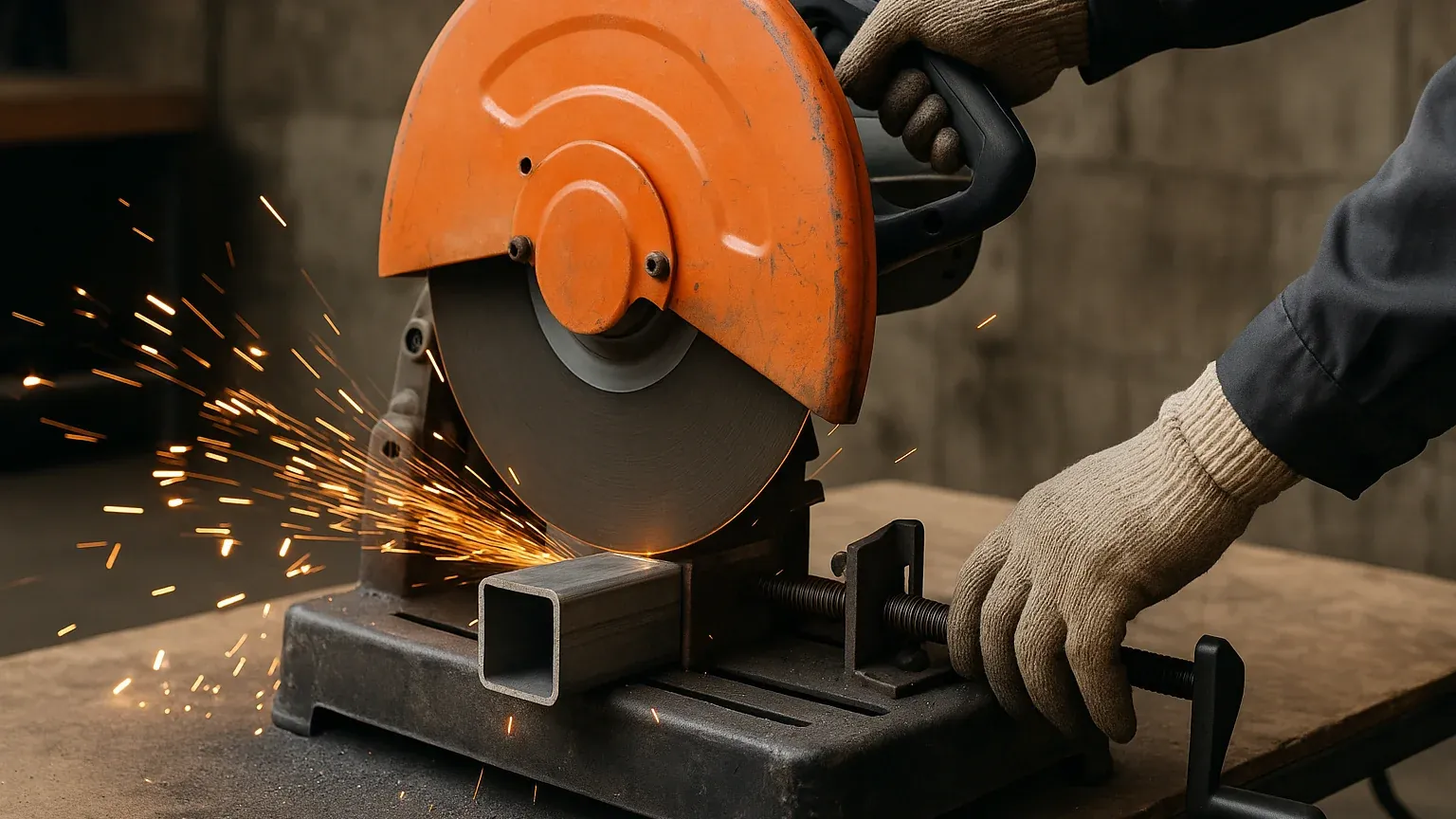
It’s safe to operate this tool solo if you follow established safety protocols, but you must remain focused throughout the entire cut.
Never wedge the lower blade guard in the open position to make a cut easier. This guard is designed to snap back over the teeth the moment the saw leaves the wood, preventing contact with the spinning blade. If your guard feels sticky or takes too long to close, clean the pivot point with a dry cloth or replace the spring. Working with a tool that has a sluggish guard is a major mistake that leads to avoidable injuries.
Always ensure your workpiece is supported on both sides of the cut line. If you support only one side, the board will sag as the blade passes through, pinching the teeth. This kickback event happens in a fraction of a second, often pulling the saw toward your body. If the blade binds, release the trigger immediately and wait for the motor to stop spinning before you attempt to back the tool out.
Related guides
- 8 Best Circular Saws for Cutting Plywood and Sheet Goods
- 10 Best Circular Saws: Our Expert Picks for Every Project
- 10 Best Cordless Circular Saw Picks for Every Project Type
Frequently Asked Questions
What should I do if the blade binds while cutting?
Immediately release the trigger and keep the saw base held firmly against the material until the blade stops spinning completely. Once the motor is silent, lift the saw straight up or pull it backward carefully to clear the blade from the pinch point.
Does the type of wood affect kickback risk?
Yes, harder woods or those with high moisture content are more likely to create friction and pinch the blade during a cut. You should always feed the saw slower when working with dense materials to give the blade time to clear the sawdust.
Can I fix a bent blade to stop it from binding?
No, a bent or warped blade must be discarded because it will never cut a straight line and will constantly cause the wood to bind. Always inspect your blade for missing teeth or signs of warping before you start your project.
Conclusion
Before making your next cut, take a moment to ensure your workpiece is fully supported and your stance is clear of the path. Always verify that the saw base is resting fully on the stable side of the material to maintain control throughout the entire process.