Wood Router Safety: Essential Rules for Handheld and Table Use
To operate a wood router safely, whether using a handheld tool or a table, you must keep your hands away from the bit and wear eye protection to avoid injury from debris. Always consult the manual for the correct feed direction and speed settings, which depend on your bit size and the density of the wood.
Essential Router Safety Situations
| Situation | Safe? | Why |
|---|---|---|
| Wearing loose clothing | No | Can catch in the spinning bit |
| Using dull router bits | No | Causes burning and unpredictable kickback |
| Routing against the feed | No | Increases risk of losing control |
| Using a push stick | Yes | Keeps hands away from the bit |
| Routing without eye protection | No | Debris can cause serious eye injury |
| Checking bits while unplugged | Yes | Prevents accidental machine start |
Loose clothing creates a snag hazard that can pull your entire hand into the cutter. If you wear sleeves, roll them past your elbows or use tight-fitting cuffs.
Dull bits force you to push harder to complete the cut. This extra pressure makes the tool prone to sudden, violent kickback. Replace any bit that leaves black scorch marks on the wood grain.
Always feed the wood against the rotation of the bit. If the bit spins clockwise, move the wood from left to right. Routing with the feed causes the bit to grab the wood and launch it across the shop instantly.
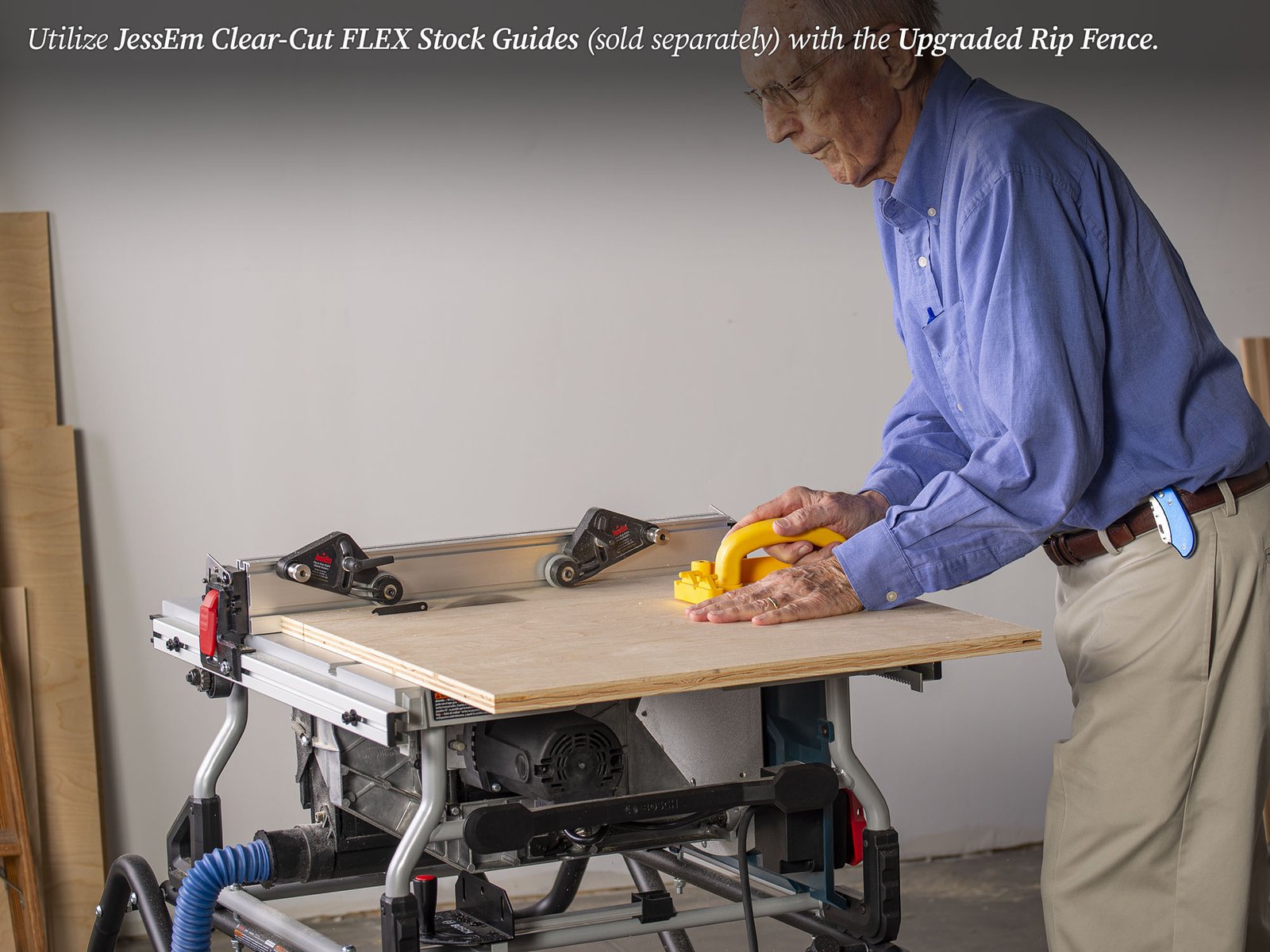
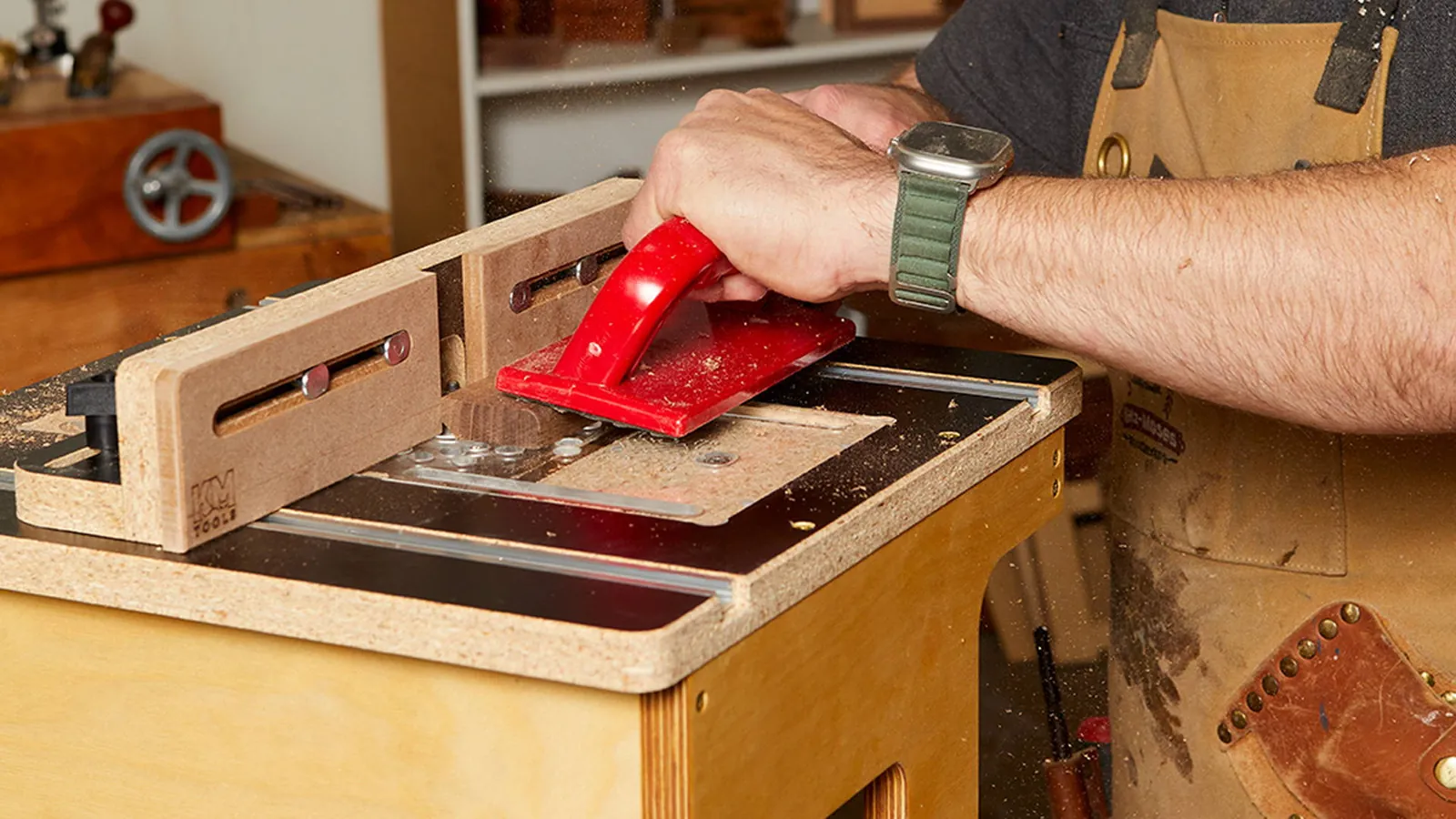
Use a push stick whenever the wood piece is narrower than four inches. If your fingers are closer than that to the bit, you lack the leverage to stop a kickback. Never rely on your thumbs to guide small stock through the fence.
Understanding Routing Hazards
The primary danger when using a router is the high-speed rotation of the cutting bit, which can reach up to 24,000 revolutions per minute on many models. This speed means that any contact with your skin or clothing can cause deep, life-altering injuries in a fraction of a second. The Occupational Safety and Health Administration emphasizes that proper guarding and the use of push blocks are required to prevent your fingers from entering the cutting zone.
Kickback is another significant risk, occurring when the bit catches the wood and throws the workpiece—or the router itself—toward the operator. This happens most often when the feed direction is wrong or the depth of cut is too aggressive for the motor’s power.
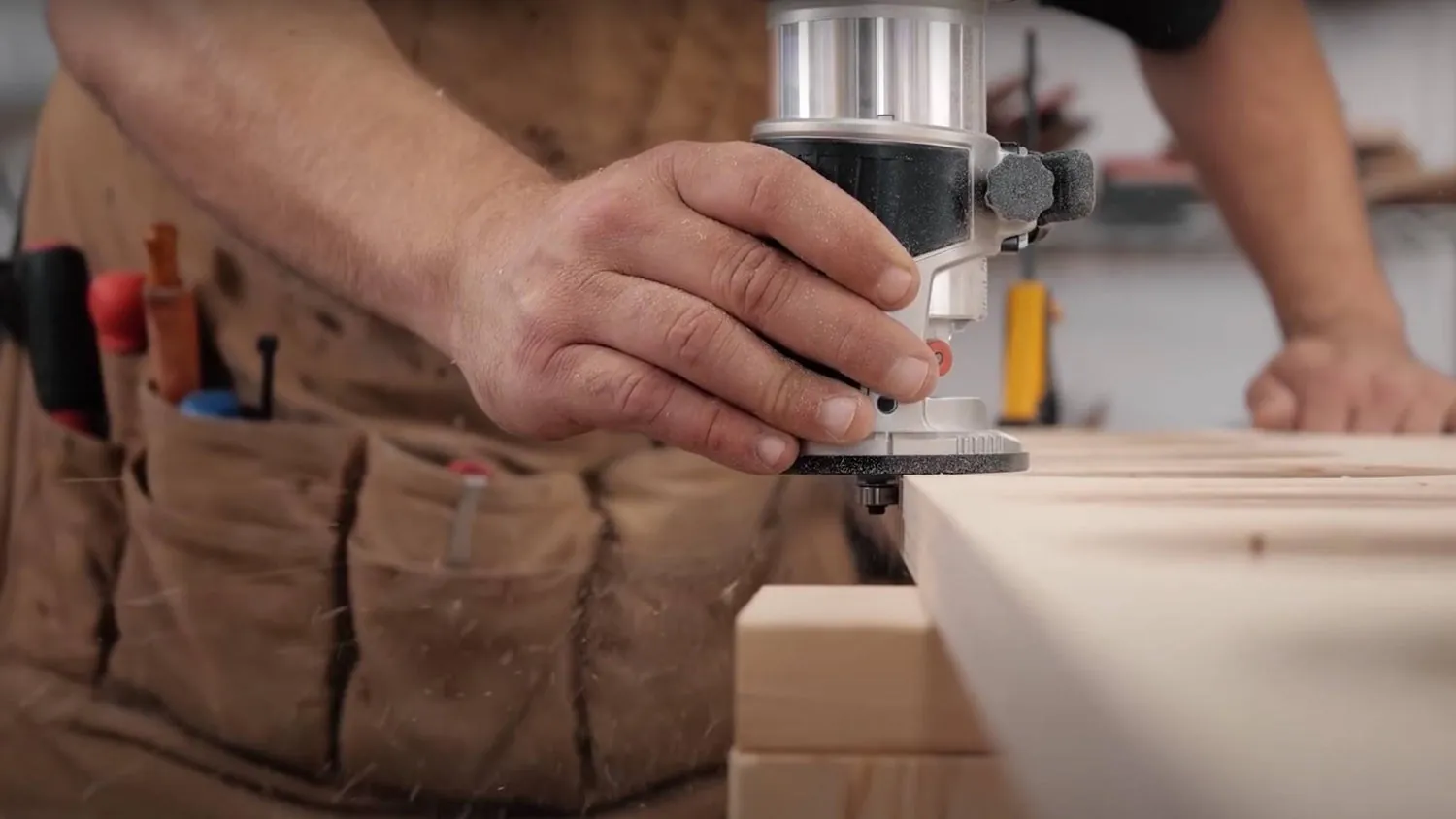
If you’re using a handheld router, the router should move in a direction that pulls the tool into the wood rather than pushing it away. If you’re using a router table, the movement must be against the rotation of the bit.
If you’re unsure about the feed direction, consult the specific diagram in your router’s manual. A mistake people often make is trying to remove too much material in a single pass, which puts excessive strain on the motor and increases the likelihood of a dangerous grab. If the router starts to vibrate or smoke, stop the machine immediately and check if your bit is dull or if the depth of cut is too deep.
Signs to Stop Immediately
- Burning smells: This means the bit is dull or the feed rate is too slow, which can lead to fires.
- Excessive vibration: This indicates a loose bit or a damaged collet, which can cause the bit to shatter.
- Smoke coming from the wood: This shows the bit is overheating and needs to be replaced or cleaned.
- The tool starts to “grab”: This is a warning that the feed direction is wrong or the cut is too deep.
- Unusual loud noises: This suggests internal mechanical failure or a loose part that requires professional inspection.
If you hear or feel these signs, unplug the machine immediately. If the tool still vibrates after you have tightened the bit, don’t attempt to fix the motor yourself; take it to an authorized service center.
Safer Routing Procedures
- Always unplug the router before you change bits or make any adjustments to the depth or fence settings.
- Set your router speed according to the bit manufacturer’s specifications; large diameter bits require significantly lower speeds to prevent the bit from shattering.
- Make multiple light passes instead of one deep cut; limit each pass to 1/8 inch or less for hardwood to keep the tool stable and controlled.
- Use a push block or featherboard whenever you’re working at a router table to keep your hands at least 6 inches from the cutting path.
- Check that the workpiece is clamped firmly to the bench if you’re using a handheld router, as movement during the cut can cause the router to jump.
- Wear safety glasses at all times, as even a small wood chip spinning at high speed can cause severe eye damage.
Handling Routing Accidents

If you suffer a cut while routing, apply firm, direct pressure to the wound with a clean cloth to stop the bleeding. If the cut is deep, gaping, or won’t stop bleeding after 10 minutes of pressure, seek emergency medical help immediately. Don’t attempt to use home remedies or adhesives on deep lacerations.
Once the person is safe, inspect the router to see why the accident happened. If the bit snapped or the collet failed, don’t use the tool again until it has been inspected by a professional technician. If the accident was caused by an electrical fault or a frayed cord, the tool should be retired or repaired by a qualified electrician. Never ignore mechanical issues, as they will lead to repeat incidents.
Related guides
Frequently asked questions
How often should I check my router bits?
You should check your bits for chips, cracks, or resin buildup before every single use. If you see dull edges or dark burns on the wood, the bit is likely dull and needs to be sharpened or replaced to maintain safe operation.
Is it safe to wear gloves while routing?
No, it isn’t safe to wear gloves while routing because the fabric can easily get caught in the spinning bit. The material can pull your hand directly into the cutter, causing severe injury that wouldn’t happen if your bare hand had simply brushed against the tool.
How deep can I cut in one pass?
You should limit each pass to 1/8 inch or less when working with hardwood to maintain control and prevent kickback. If you need to remove more material, perform several shallow passes instead of trying to force the bit through the wood in one attempt.
Why does my wood burn while routing?
Your wood is burning because the bit is dull or you’re moving the tool too slowly across the surface. Increase your feed rate slightly or clean the resin off the bit, but always ensure you aren’t moving so fast that you lose control of the tool.
What should I do if the router kicks back?
You should immediately release the power switch and let the router come to a complete stop before you try to move it. Never try to fight the kickback or pull the router out of the wood while the bit is still spinning, as this increases the risk of an accident.
How do I know if my router speed is right?
You can find the correct speed for your specific bit size in the manufacturer’s manual or on the chart provided with the bit. Generally, larger bits require slower speeds to prevent the metal from overheating and potentially breaking apart during operation.
Conclusion
Proper wood router safety: essential rules for handheld and table routing relies on your attention to detail and your respect for the tool’s power. Always prioritize your physical safety over finishing the project quickly, as a single moment of lost focus can lead to a serious injury. Keep your workspace clean and your tools well-maintained so you can work with confidence.