Circular Saw vs Miter Saw: Which Tool Should You Use
You should use a miter saw for precision crosscuts, angles, and repetitive cuts on boards, whereas a circular saw is better for breaking down large sheets of plywood or making rough cuts away from your workbench. If you’re building a deck, you’ll need both tools to handle the heavy framing and the fine trim work efficiently.
How circular and miter saws compare
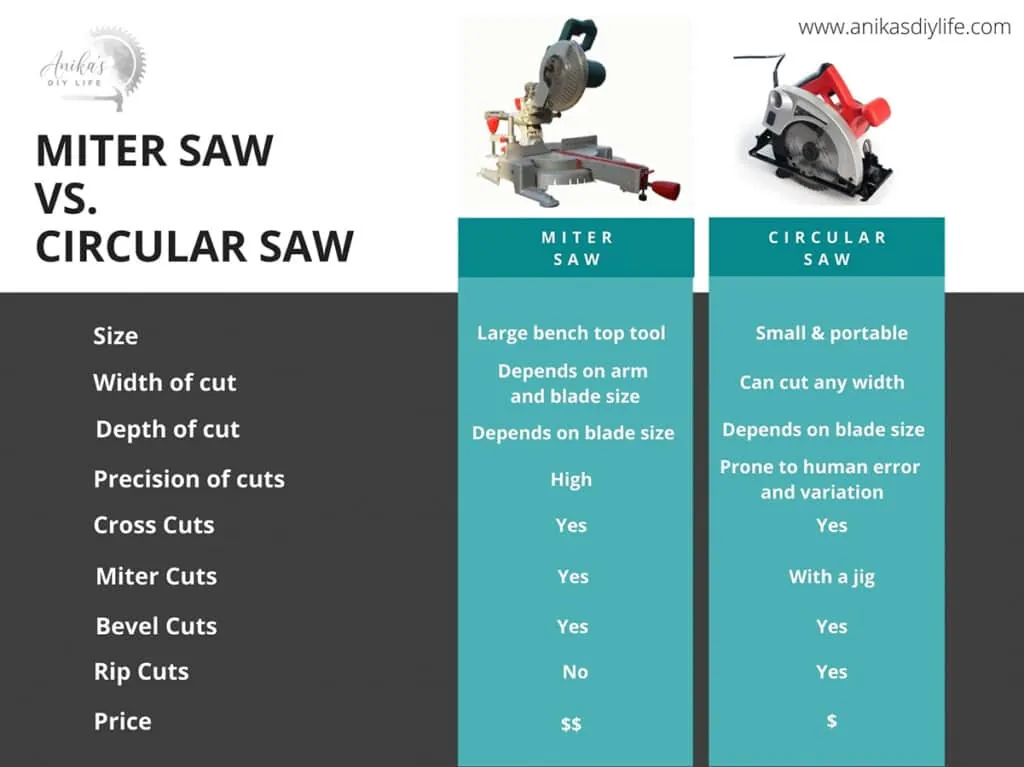
Choosing between these two tools depends entirely on the material you’re cutting and the accuracy required for your project. A miter saw stays stationary on a stand, which makes it perfect for consistent, repeatable angles. Because the blade is guided by a fixed mechanism, you can achieve consistent, square cuts if the saw is properly calibrated.
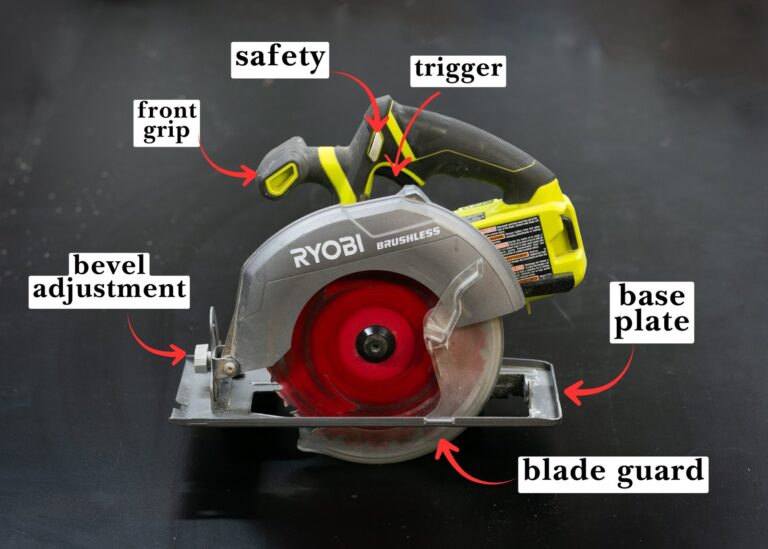
A circular saw is a handheld tool that offers much more flexibility for large-scale work. You can take it to the job site, use it to cut long lines across a sheet of plywood, or even cut through thick timber that’s already installed. However, it requires a steady hand and often a straight-edge guide to achieve the same level of accuracy as a miter saw.
| Feature | Circular Saw | Miter Saw |
|---|---|---|
| Portability | High | Low |
| Accuracy | Moderate | High |
| Material Size | Large sheets | Boards/Trim |
| Best Use | Rough framing | Finish carpentry |
Tip: Always use a sharp blade suited for the material you’re cutting, as a dull blade causes the motor to work harder and increases the risk of kickback.
When to Use Which Tool
You’ll typically reach for a circular saw when you need to rip long boards or cut large panels. It’s the primary tool for framing a house or cutting down large plywood sheets. Because it’s portable, you can move around the material rather than moving the material through the saw.
If your cut line exceeds four feet, the circular saw is your only practical choice. Attempting this on a miter saw creates an unstable, dangerous setup that ruins the wood.
Conversely, use a miter saw for tasks that demand precision. This includes cutting baseboards, crown molding, or picture frames where the angles must match perfectly. The built-in scales allow you to set precise angles, which is why finish carpenters rely on them for visible joints.
Always check your blade’s tooth count before cutting. Use a 24-tooth blade for framing lumber, but switch to a 60-tooth blade for trim to prevent splintering the finished edges.
Safety and Best Practices
Operating these power tools requires strict adherence to safety protocols to prevent serious injury. You must always wear eye protection and avoid wearing loose clothing that could get caught in the spinning blade.
Before you start, ensure your workspace is clean and clear of debris. Never force the blade through the material; let the saw reach full speed before making contact and maintain a steady, controlled pace. If you’re using a circular saw, ensure the material is supported on both sides of the cut so the board doesn’t pinch the blade and cause it to bind.
If the motor begins to whine or the blade slows audibly, you’re pushing too hard. Stop immediately and back the tool out. Forcing a bind often triggers kickback, which can throw the tool toward your body. Always keep your hands at least six inches away from the blade path to ensure total control.
Common Mistakes to Avoid
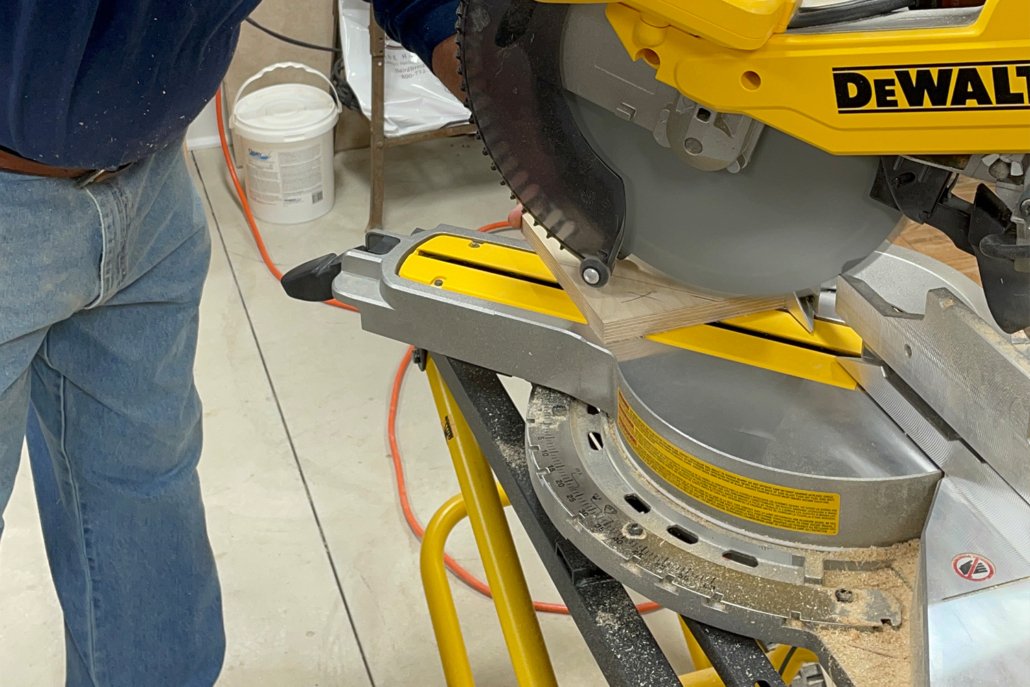
The most common mistake beginners make is failing to support the workpiece correctly. With a circular saw, if you cut between two sawhorses, the weight of the wood causes it to sag. This pinches the blade and stalls the motor. Always support the offcut so the kerf stays open. If the board is longer than six feet, add a third support in the center to prevent bowing.
With a miter saw, users often try to cut pieces too small to hold safely. If a piece is shorter than the distance between the fence and the blade, it can easily fly out or get caught in the guard. As a rule, if your fingers must come within four inches of the blade to steady the wood, the piece is too small.
Use a toggle clamp to secure it against the fence. If the wood is shorter than the saw’s throat plate, switch to a hand saw or a miter box. Ignoring this distance costs you control, often resulting in a kickback that ruins the cut or damages your hands.
Frequently Asked Questions
Can I use a circular saw for baseboards?
Yes, you can, but it’s difficult to get the same clean, square edges that a miter saw provides. You’ll need to use a speed square or a straight-edge guide to ensure your cuts are perfectly straight every time.
Is a miter saw worth the cost?
If you’re doing any amount of trim work, molding, or furniture building, it’s worth it. The time you save on measuring and the improvement in joint quality make it a valuable addition to your shop.
Can a circular saw cut angles?
Yes, most circular saws have a tilt adjustment that allows you to make bevel cuts. However, setting these angles is less precise than on a miter saw, so it’s best for rough work rather than fine trim.
Conclusion
Assess your current project needs to decide which tool is the right investment for your workshop. If you’re just starting, a circular saw is more versatile for general construction, while a miter saw becomes essential as you move toward finish carpentry and cabinetry.