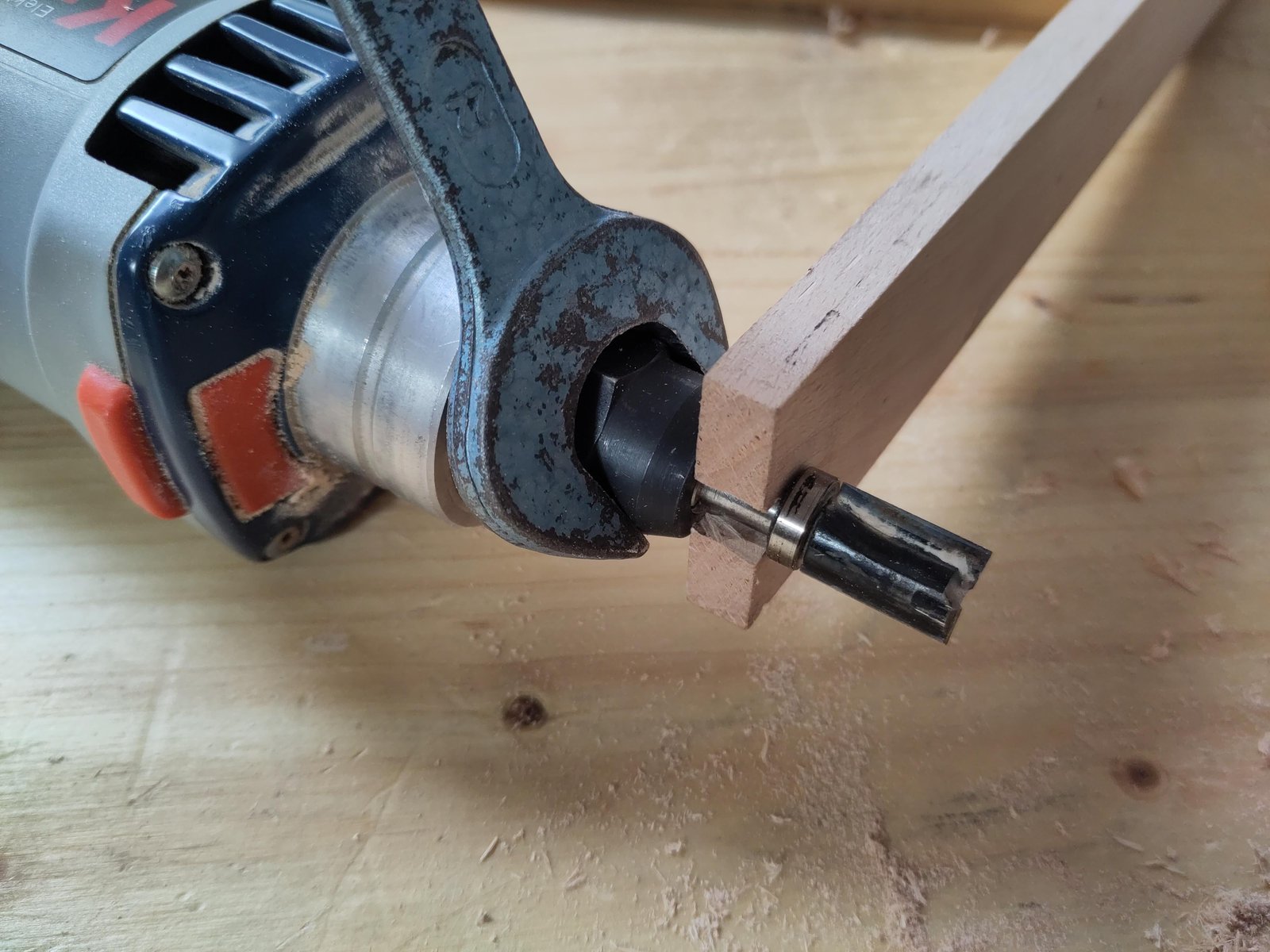
How to Remove a Stuck Router Bit and Maintain the Collet
You can safely resolve the problem by loosening the collet nut and applying light pressure to the bit shank, as removing a stuck router bit and maintaining the collet prevents damage to your tool. This process takes about 15 minutes for a standard setup. It’s a medium-difficulty task that requires patience to avoid damaging the precision parts. You must have a set of high-quality wrenches and a clean, dry workspace before starting.
Gathering tools to remove a stuck bit
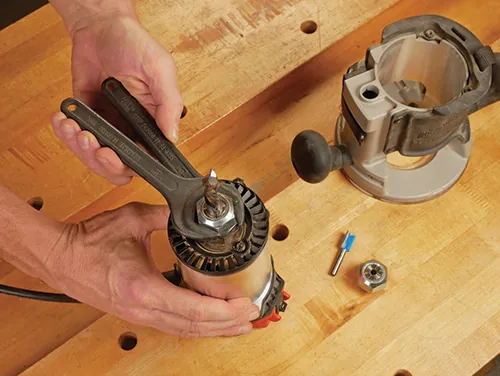
Gathering the right equipment ensures you don’t strip the collet nut or bend the bit shank. Using the wrong size wrench is a common mistake that rounds off the nut corners and costs you a replacement assembly.
| Item | How much | Why it’s needed | A substitute |
|---|---|---|---|
| Open-end wrench | 2 pieces | Hold spindle and nut | Adjustable wrench (risky) |
| Penetrating oil | 1-2 drops | Break down rust/resin | none — don’t swap this |
| Clean rag | 1 piece | Remove wood dust | Paper towel |
| Fine-grit file | 1 piece | Smooth shank burrs | Fine sandpaper |
| Safety glasses | 1 pair | Protect your eyes | none — don’t swap this |
Preparation for tool removal
- Unplug your router from the power source to ensure the motor can’t start while your hands are near the bit.
- Remove the router base or sub-base if it blocks your access to the collet nut.
- Clear all loose sawdust from the collet area using compressed air or a soft brush.
- Apply one drop of penetrating oil to the seam between the collet nut and the bit shank.
- Wait at least 10 minutes for the oil to seep into the threads and the collet grip.
If you find that the bit is still held fast after oiling, don’t force it with pliers. Pliers damage the hardened steel of the bit shank and the precision surface of the collet. If you lack the proper wrenches, take the unit to a qualified tool repair shop to avoid permanent damage to the spindle threads.
Steps to remove a stuck router bit and maintain the collet
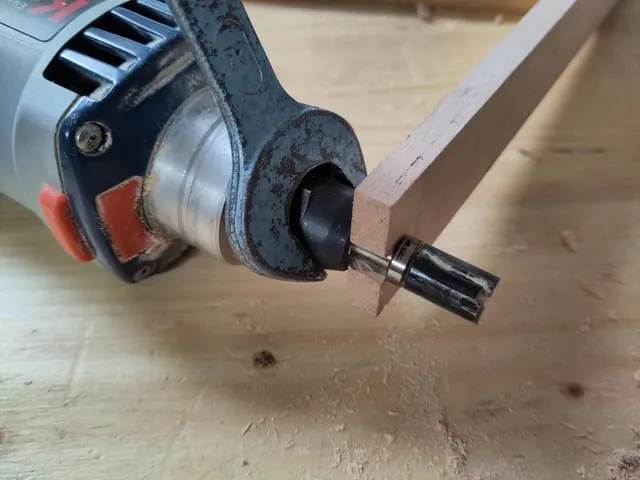
- Place the router on a stable workbench and lock the spindle using the integrated spindle lock button.
- Slide the open-end wrench onto the collet nut and turn it counter-clockwise about one-quarter turn to break the initial seal.
- Continue loosening the nut by hand until you feel the collet release its grip on the bit shank.
- Pull the bit straight out of the collet assembly using a steady, firm motion without wiggling it side-to-side.
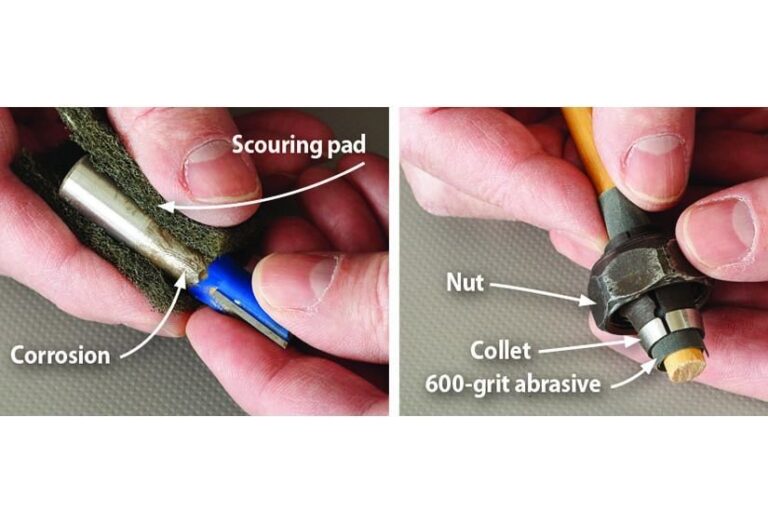
- Inspect the bit shank for any deep scratches, heat marks, or resin buildup that caused the binding.
- Use a fine-grit file to remove any high spots or burrs on the metal shank before you attempt to reuse it.
- Unscrew the collet nut completely from the spindle and remove the collet cone from inside the nut.
- Clean the inside of the collet and the spindle bore with a dry rag and a small amount of solvent.
- Reassemble the collet and nut, ensuring the cone snaps securely into the nut before tightening it onto the spindle.
Signs of a healthy collet
A clean collet should hold the bit perfectly centered without any vibration or movement during operation. If you notice the bit slips or chatters while cutting, the collet has likely lost its spring tension.
If the collet nut feels gritty when you turn it, or if it requires excessive force to tighten, you need to clean the threads again. If these signs persist, replace the collet and nut set immediately. A worn collet can cause the bit to fly out during use, which is a major safety hazard.
Dealing with common issues
| What happened | Why | What to do |
|---|---|---|
| Nut is stuck | Resin buildup | Use more oil |
| Bit is bent | Excessive heat | Replace the bit |
| Threads are stripped | Cross-threading | Replace collet nut |
| Bit slips | Worn collet | Replace collet set |
| Nut won’t spin | Debris in threads | Clean with solvent |
When the nut resists, don’t force it with a wrench. You’ll likely snap the internal threads. Instead, apply a penetrating oil and let it sit for ten minutes.
If your bit slips repeatedly, check the collet for hairline cracks. A collet that has been overtightened once will lose its spring tension permanently. If you see a visible gap when the nut is fully tightened, the collet is shot.
Always thread the nut by hand for the first three turns. If you feel resistance, stop immediately. Cross-threading usually happens when the nut is misaligned by a fraction of a millimeter. Forcing it costs you an entire spindle assembly, not just the nut.
Maintenance schedule for your router
Two main factors change this interval: the type of material you cut and the frequency of your tool use. If you work with oily hardwoods or resinous softwoods like pine, you must clean the collet more often because the sap creates a sticky barrier that bonds the bit to the metal.
If you store your router in a humid garage, check for surface rust on the collet every month to ensure the metal remains smooth and functional for your next project.
Related guides
Frequently asked questions
How long does a router collet last?
A router collet typically lasts for a period of regular hobbyist use, provided you keep it clean and free of resin. You can check the condition by looking for cracks in the metal or checking if the bit feels loose even when the nut is fully tightened.
Is it safe to use oil on the collet?
It’s safe to use a small amount of light penetrating oil, but you must wipe away every trace of residue before installing a bit. Any oil left inside the collet will cause the bit to slip during a cut, which creates a dangerous situation for the operator.
Why does my router bit get stuck?
A router bit gets stuck because of resin buildup from wood fibers or because the collet was tightened too much during the previous use. Over-tightening the nut causes the metal to deform slightly, which makes it grip the bit shank much harder than is necessary for safety.
What happens if I keep using a worn collet?
You risk the bit vibrating out of the collet or snapping during a cut if you continue to use a worn or damaged collet assembly. A loose bit creates uneven cuts and puts unnecessary stress on the router motor, which can lead to premature motor failure.
Can I clean the collet with water?
You should never use water to clean a collet because it will cause the precision steel parts to rust very quickly. Use a non-residue electrical contact cleaner or a specialized metal solvent to remove wood dust and sap without leaving moisture behind on the sensitive metal surfaces.
How tight should the collet nut be?
The collet nut should be tightened until you feel firm resistance, plus an extra quarter-turn, to ensure the bit is secure. Never use a pipe wrench or a hammer to force the nut, as this will crush the collet and ruin the threads on your expensive router spindle.
Conclusion
Keep your router bits and collets in a dedicated tray to prevent them from hitting other tools. A small dent on a shank is enough to cause a vibration that ruins your wood project and puts extra stress on your router motor. Always store your gear in a dry, climate-controlled space to stop rust from forming on the precision steel parts.