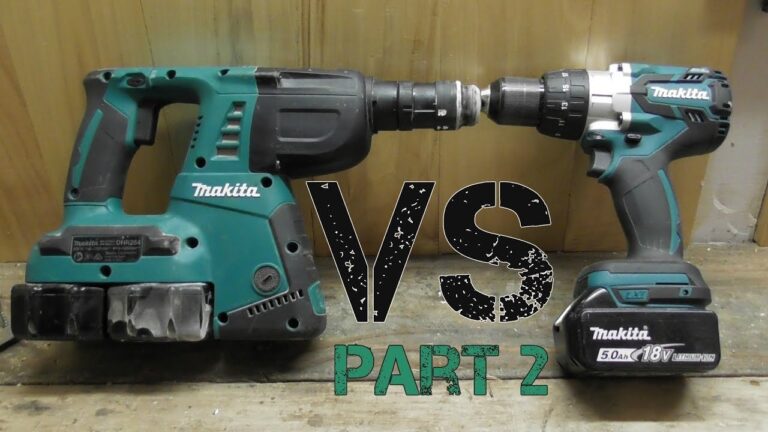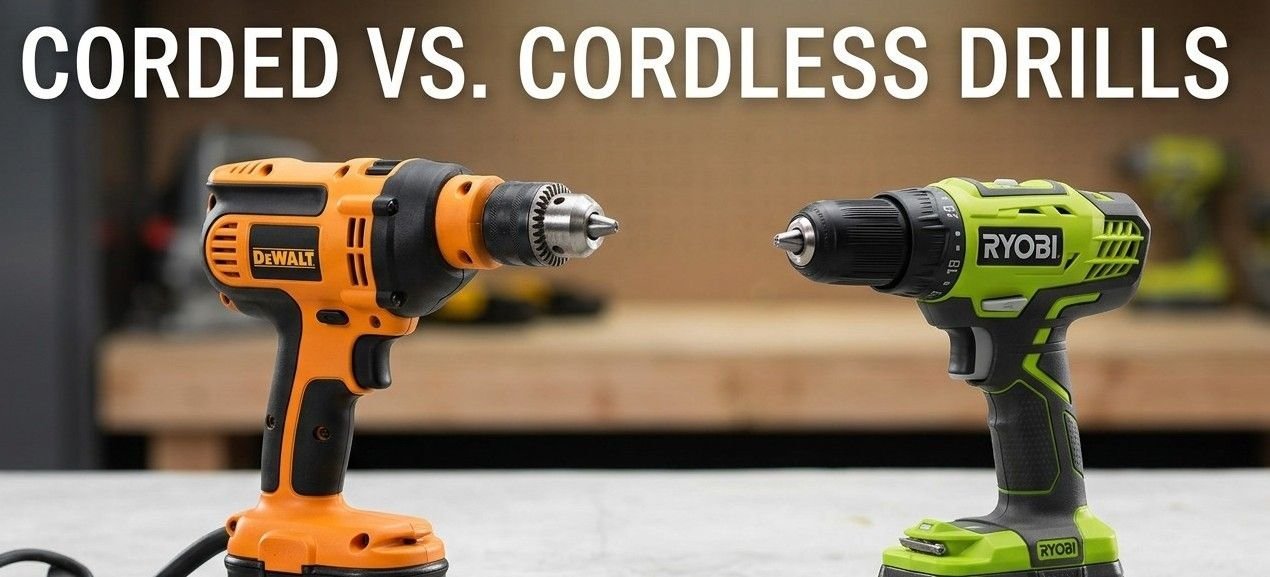
Corded vs. Cordless Rotary Hammer: Which Is Better for Your Work?
A corded rotary hammer is the best tool for most users because it provides consistent power for heavy-duty drilling without the risk of a battery dying mid-project. If you prioritize portability and work in areas without easy access to power outlets, a battery-powered unit is the better choice for you.
Comparing rotary hammer options
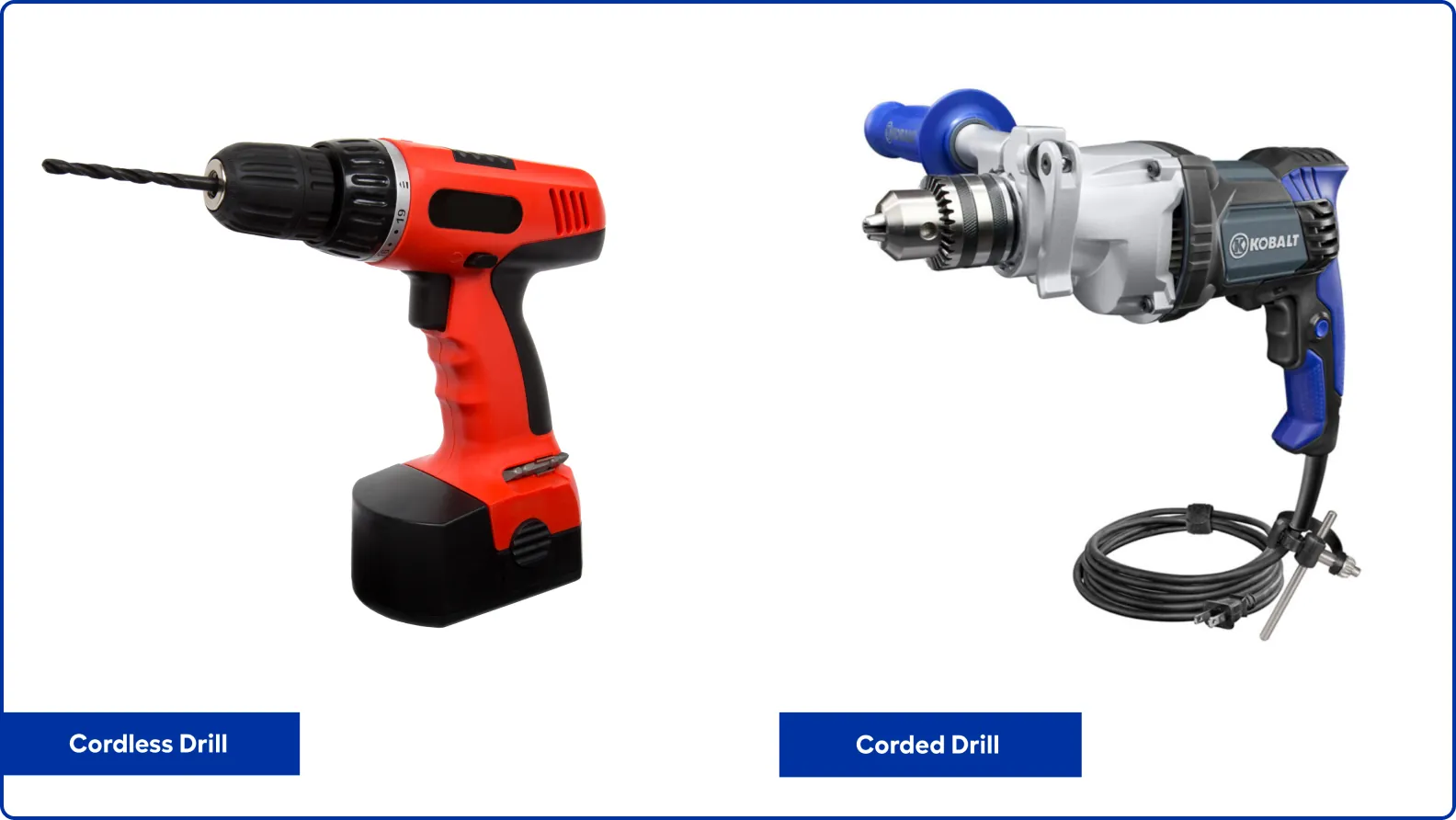
Choosing the right tool depends on your specific job site requirements and your budget. While corded models offer a steady flow of energy, cordless units have improved significantly with modern lithium-ion technology. Use this table to decide which type of tool fits your current needs.
| Method | How long | Effort | Cost | Best for |
|---|---|---|---|---|
| Corded | Unlimited | Low | Low | Heavy concrete work |
| Cordless | Battery life | Medium | High | Remote job sites |
| Pneumatic | Constant | High | High | Industrial sites |
Using a corded rotary hammer
A corded tool connects directly to an AC outlet, ensuring it never loses torque during long sessions. For the best results, follow these steps to manage your equipment:
- Connect the tool to a grounded outlet that matches the voltage on the manufacturer’s plate.
- Select the correct operation mode, such as rotary-only or hammer-drill, using the side switch.
- Apply firm, steady pressure against the masonry surface while keeping the tool perpendicular to the wall.
- Allow the drill bit to cool periodically if you’re working in high-density stone or reinforced concrete.
This method is ideal for professional contractors who drill large holes all day. However, the power cord creates a tripping hazard and restricts your movement. Always inspect the cord for exposed wires before plugging it in, as damaged cables pose a severe electrical shock risk. If you notice sparks or unusual heat, stop immediately and contact a qualified service technician.
Using a cordless rotary hammer
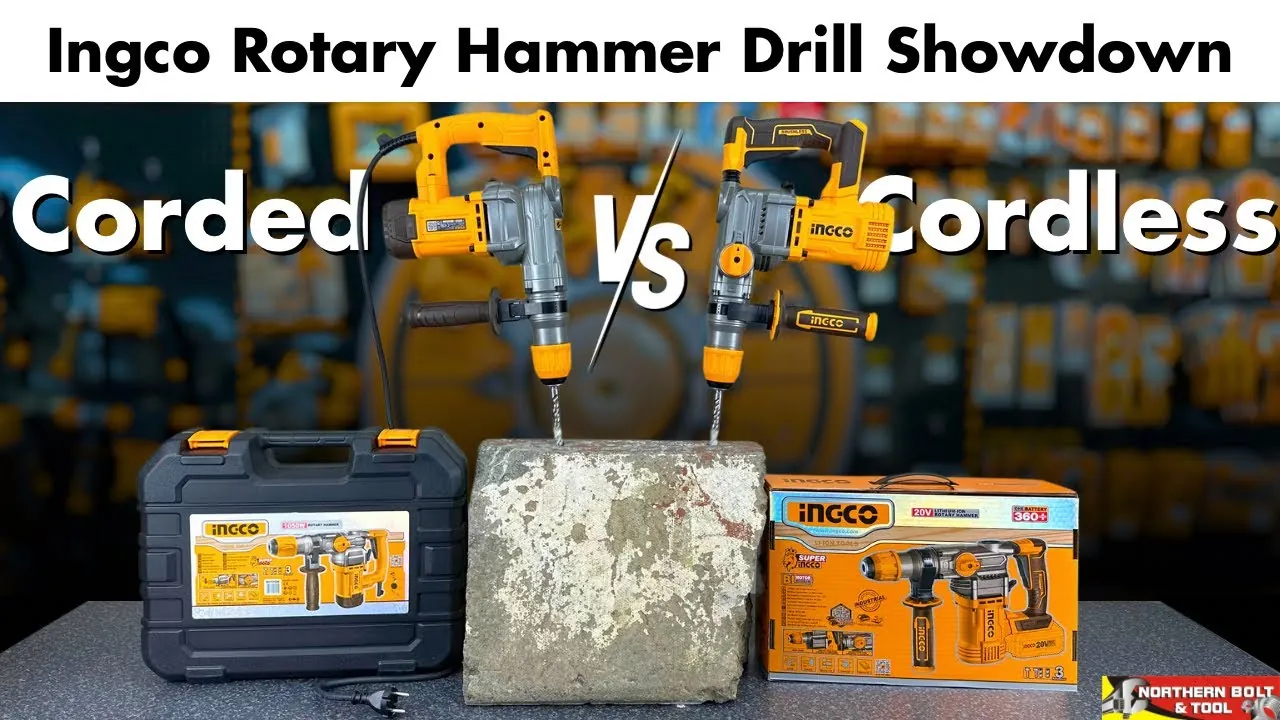
Battery-operated tools offer unmatched mobility for tasks in tight spaces or high-altitude locations. Modern brushless motors improve efficiency, but you must manage your power supply carefully to avoid delays.
- Fully charge the lithium-ion battery pack before beginning your work shift.
- Insert the battery until the locking tabs click firmly into the housing.
- Start with a light touch to seat the bit before applying full pressure to the trigger.
- Swap to a fresh battery pack the moment you feel a drop in impact speed.
These tools are excellent for quick fixes where dragging an extension cord is impractical. The main weakness is the weight of the battery, which can cause arm fatigue during overhead work. If you’re drilling into materials containing silica, follow the OSHA silica dust standards to protect your lungs from harmful particles.
Using a pneumatic rotary hammer
Pneumatic tools rely on an external air compressor to drive the piston mechanism. This is a specialized setup that’s rarely used for standard home repairs.
- Connect the air hose to a compressor set to the manufacturer’s required PSI rating.
- Ensure the inline oiler is filled to keep the internal motor lubricated.
- Open the air valve gradually to reach the desired impact frequency for your material.
- Drain the moisture from the air tank after each use to prevent internal rust.
These tools are incredibly durable and survive the harshest job sites. The primary downside is the heavy, stationary compressor that you must move along with the tool. For most DIY users, the setup time and cost of the compressor make this an impractical choice. If you rarely drill concrete, a basic hammer drill is sufficient.
Choosing a better corded or cordless rotary hammer for your work
Selecting the right tool for your specific situation helps you finish the project faster and with less frustration. If you’re in a hurry, a corded model is usually best because you can plug it in and start working immediately without checking battery levels. For those doing this for the first time, a corded rotary hammer is often more forgiving because the power delivery remains constant, preventing the bit from binding.
If you want the best possible result regardless of the effort required, a cordless unit with a high-capacity battery allows you to reach awkward corners that a corded tool can’t reach. The main trade-off is between the unlimited runtime of a corded tool and the complete freedom of movement found in a cordless model.
Rules for safe operation
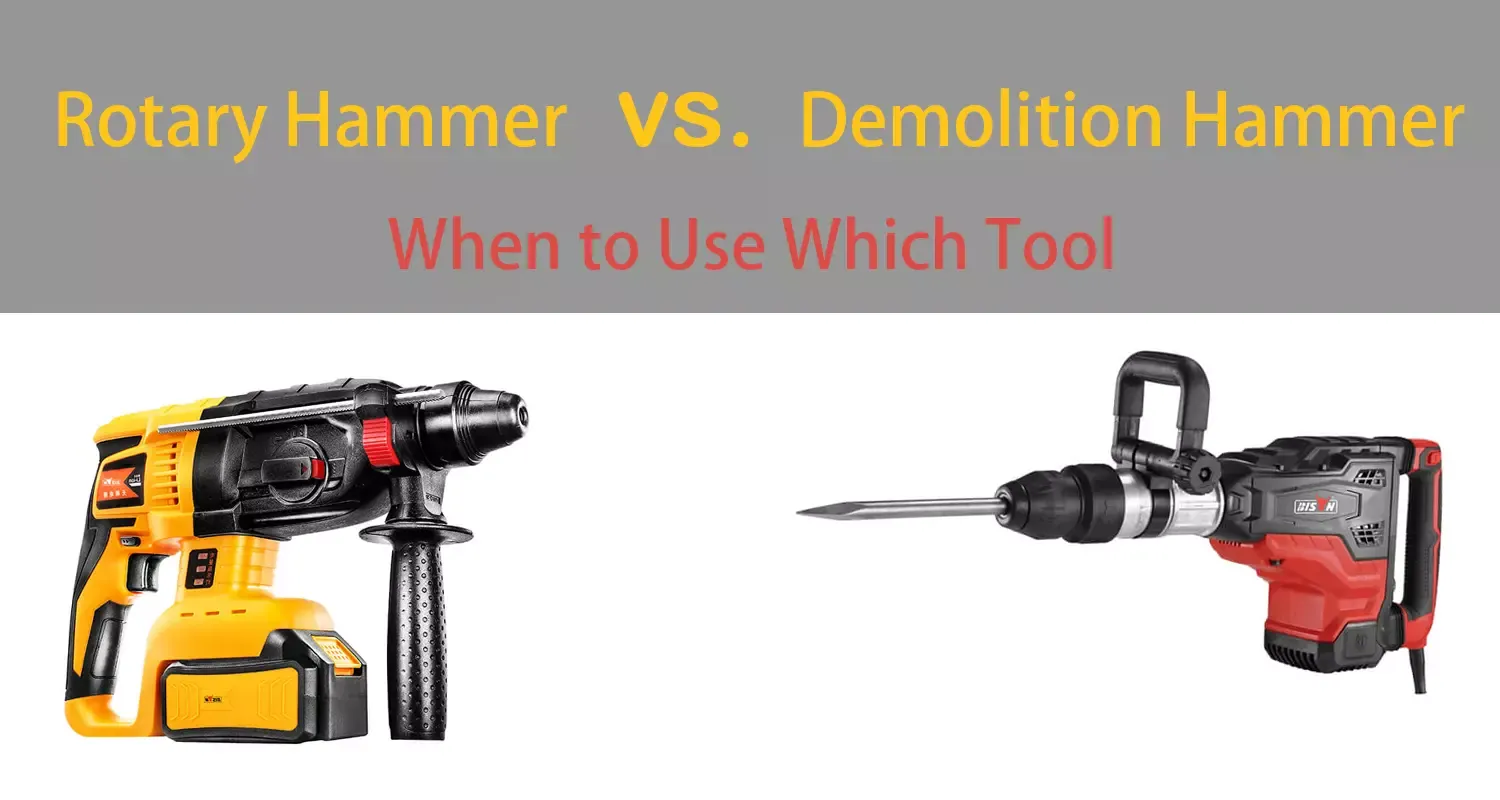
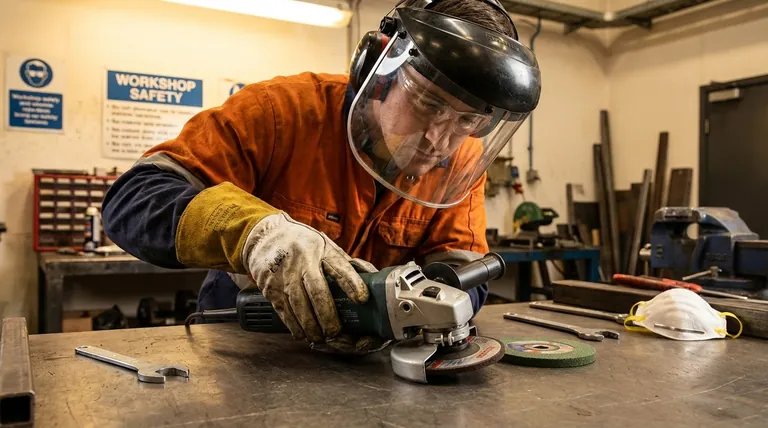
Regardless of the model you choose, you must follow basic safety protocols to avoid injury. Always wear impact-resistant safety glasses and hearing protection, as rotary hammers generate significant noise and debris. Before starting, check that your drill bit is rated for the specific type of concrete or masonry you intend to drill.
If the bit is dull, the tool will vibrate excessively, which can damage the motor or cause the bit to snap. Always clear the workspace of loose items that could snag on a cord or cause you to lose your balance. If you’re working on a ladder, ensure you have a stable platform, as the torque of a rotary hammer can easily pull you off-balance.
Frequently asked questions
Can I use a regular drill for concrete?
No, a regular drill lacks the internal hammering mechanism needed to pulverize concrete efficiently. Using a standard drill will likely burn out the motor or snap the bit. Always use a dedicated rotary hammer or a hammer drill for masonry work to ensure safety and performance.
How long does a battery last on a cordless rotary hammer?
It typically lasts between 20 to 40 minutes of continuous drilling, depending on the battery’s amp-hour rating and the hardness of the concrete. You should always keep a second, fully charged battery on hand to minimize downtime during long projects.
Is it safe to use a corded rotary hammer in the rain?
No, you should never use a corded power tool in wet or damp conditions due to the risk of electrical shock. If you must work outside, only use tools rated for outdoor use and ensure your power source is protected by a ground-fault circuit interrupter.
What happens if the drill bit gets stuck in the concrete?
Stop the tool immediately to prevent the motor from overheating or the tool from twisting in your hands. Most professional rotary hammers have a mechanical clutch that releases when the bit jams, but you should always keep a firm grip on the handle.
How do I know which drill bit to use?
Check the manufacturer’s manual for your specific tool, as most rotary hammers require an SDS-Plus or SDS-Max shank style. Using the wrong shank type will prevent the bit from locking into the chuck and can cause the tool to fail during operation.
How much do these tools weigh?
They typically weigh between 5 and 15 pounds, depending on the power level and whether the tool is corded or cordless. If you have to work overhead for long periods, look for a compact model to reduce strain on your shoulders and neck.
Conclusion
The right tool for your project is the one that balances your need for power with the physical demands of your specific job site. By keeping these factors in mind, you can select the equipment that helps you work safely and efficiently.