Rotary Tool Flex Shaft Attachments: Uses, Benefits, and What to Check
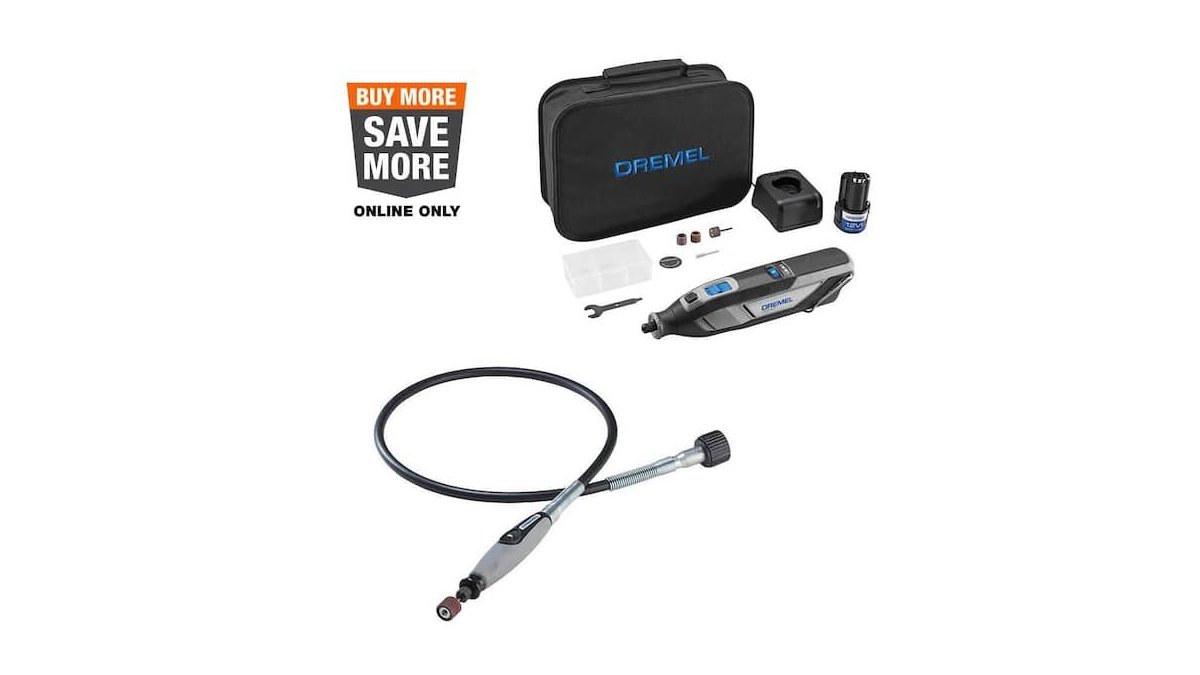
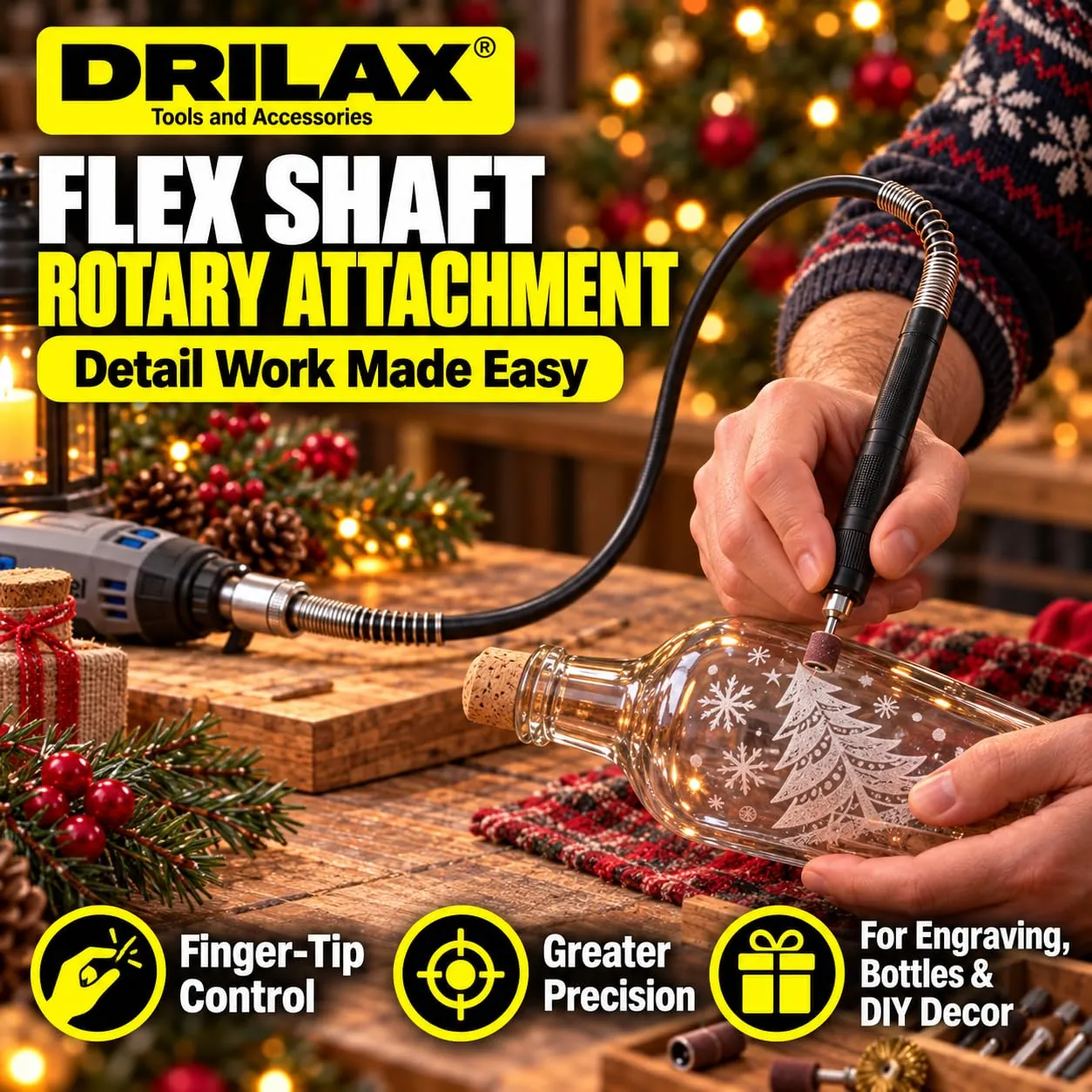
A flex shaft attachment helps you avoid the weight of a standard rotary tool during intricate carving or engraving. This extension consists of a cable-housed shaft that transfers power from the motor to a lightweight handpiece. These accessories cost between $25 and $120 based on their build, compatibility, and included parts. By moving the motor to a stand or workbench, you gain the precision of a pen while keeping the power of your rotary tool.
Key Takeaways
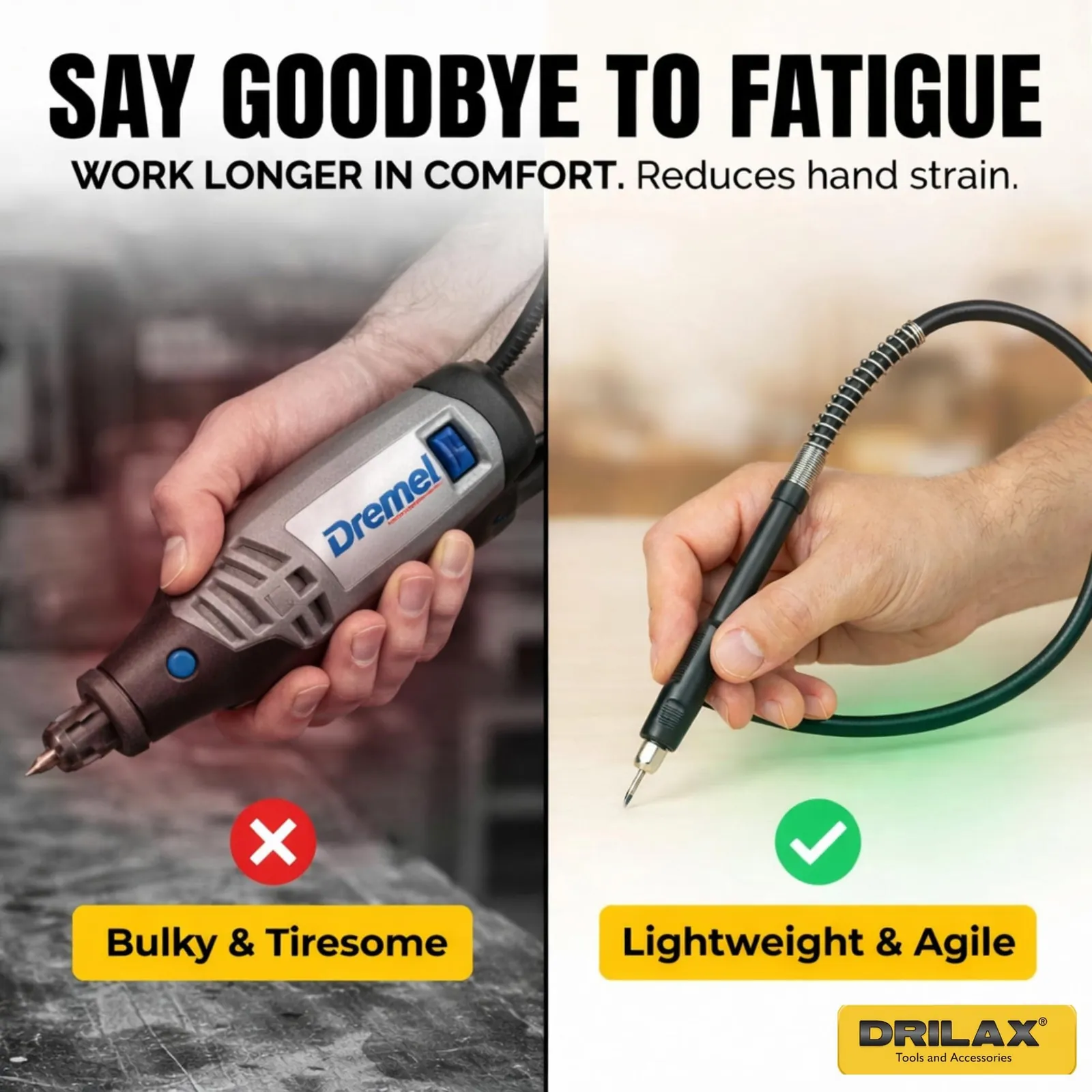
- Flex shafts significantly reduce hand fatigue during long-duration projects like wood carving or stone polishing.
- The slender handpiece allows access to tight, recessed areas that a bulky rotary tool can’t reach.
- Always ensure the handpiece is compatible with your specific rotary tool model’s collar thread.
- Regular maintenance, specifically lubricating the inner cable, is required to prevent heat buildup and snapping.
- Operating a flex shaft at high speeds with sharp bends can damage the internal core wire.
Benefits of Using a Flex Shaft
The primary advantage is ergonomic control. When you remove the motor from your hand, you eliminate the vibration and weight that lead to cramping. This allows for fluid, artistic motions rather than fighting the tool’s center of gravity.
Additionally, the precision handling of a pencil-grip handpiece makes detail work in jewelry making or model building much more accurate. Because the handpiece is small, you can maneuver it into tight corners, inside bowls, or behind structural elements of a project without the tool body bumping into your workpiece.
Common Uses for Flex Shafts
Flex shafts are versatile tools for makers, hobbyists, and professionals. They excel in tasks where control is more important than raw torque.
| Application | Benefit | Recommended Accessory |
|---|---|---|
| Wood Carving | Intricate detail | Carbide burrs |
| Jewelry Making | Stone setting | Diamond points |
| Metal Polishing | Reaching tight spots | Buffing wheels |
| Model Building | Removing sprue marks | Sanding drums |
What to Check When Buying Rotary Tool Flex Shaft Attachments
Not all flex shafts are universal. Before clicking “buy,” you must verify the connection type. Most rotary tools use a threaded collar, but the thread pitch varies between brands like Dremel, Foredom, and generic knock-offs.
Check if the flex shaft has a collet system that accepts the shank size of your bits (usually 1/8 inch or 3/32 inch). Finally, look at the cable flexibility; a stiff cable will fight your hand movements and increase torque on the motor, leading to premature wear.
How to Maintain Your Shaft
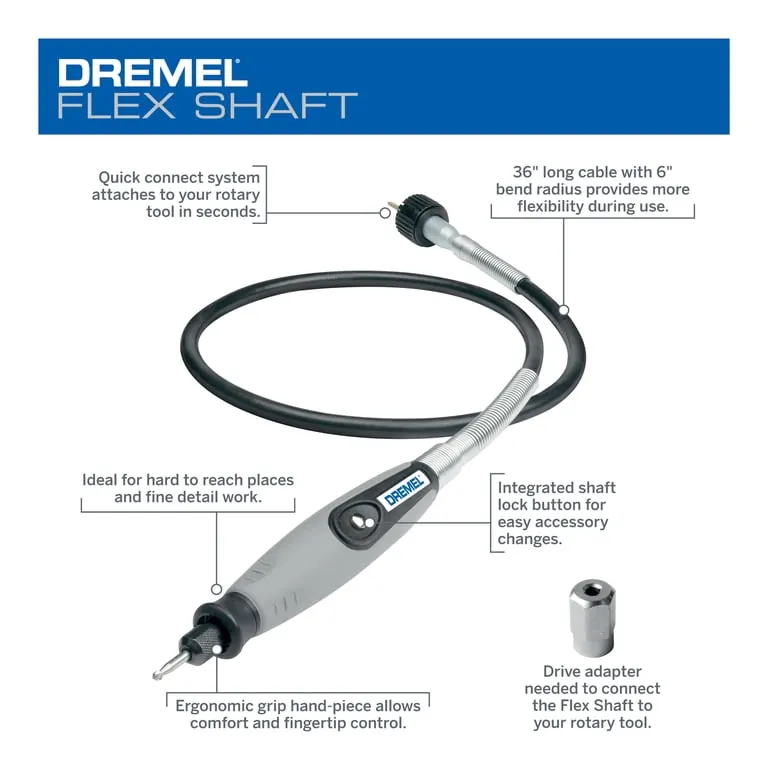
Warning: Never run your flex shaft at maximum speed for extended periods without ensuring the internal cable is properly lubricated, as excess friction will melt the plastic housing. To keep the tool running smoothly, you should periodically remove the inner cable, wipe it down with a light grease, and reinsert it into the housing. This prevents the “whipping” sensation caused by dry, kinked cables.
Troubleshooting Common Issues
If your flex shaft is performing poorly, follow this diagnostic guide to find the culprit.
| Symptom | Likely Cause | Solution |
|---|---|---|
| Excessive vibration | Kinked inner cable | Straighten or replace cable |
| Handpiece overheating | Lack of lubrication | Apply lithium grease |
| Bit slips in collet | Worn collet nut | Replace the collet assembly |
| No power to bit | Loose shaft connection | Tighten the drive nut |
Are Flex Shafts Worth It?
For anyone performing tasks that require more than thirty minutes of continuous operation, a flex shaft is a game-changer. It transforms a clunky power tool into a delicate instrument. While it adds a layer of complexity—you now have to manage the cable and perform maintenance—the trade-off in reduced fatigue and increased accessibility is well worth the investment for serious hobbyists.
Choosing Between Brands
When selecting a model, look for established manufacturers that offer replacement parts. Dremel, Foredom, and Proxxon are the industry leaders. While generic brands might seem cheaper, the lack of replacement inner cables or compatible handpieces often makes them a “disposable” purchase. Stick to brands that provide a clear exploded view diagram of the tool, which helps immensely when you need to order a replacement part years down the line.
Related guides
- Dremel vs Milwaukee Rotary Tool: Which One Makes More Sense?
- 10 Best Rotary Tools for DIY, Crafts, and Home Projects
- 10 Best Cordless Rotary Tools for Detail Work and DIY Repairs
Frequently Asked Questions
Can I use a flex shaft with any rotary tool?
No, most flex shafts are designed for specific brands. You must match the threaded collar of your rotary tool to the input of the flex shaft. Some brands offer universal adapters, but these can introduce unwanted wobble. Always check the manufacturer’s compatibility chart before purchasing to ensure the drive nut and collar match your specific model number.
How often should I lubricate the cable?
You should lubricate the inner cable every 20 to 30 hours of actual operation. If you notice the handpiece becoming unusually hot or hear a grinding noise, lubricate it immediately. Use a high-quality, heat-resistant grease, but be careful not to over-apply, as too much grease can clog the housing and cause the tool to run sluggishly.
Why does my flex shaft get hot?
Heat is usually caused by two things: sharp bends in the cable or lack of lubrication. If the cable is bent at a sharp angle while the motor is running, the friction between the core and the outer sheath increases significantly. Keep the cable in as straight a path as possible. If the cable is straight and still hot, remove the core and re-grease it.
Can I change bits while the motor is running?
Never attempt to change bits while the tool is running. This is extremely dangerous and can damage the collet mechanism or the motor. Always turn the rotary tool completely off and wait for the spindle to come to a full stop before engaging the shaft lock or loosening the collet nut to swap your accessories.
Does the flex shaft reduce the power of the tool?
Yes, there’s a slight loss of torque due to the friction within the flexible housing. For heavy-duty grinding or cutting, you may notice that the tool stalls more easily than when the bit is attached directly to the motor. However, for most detail-oriented tasks like carving, engraving, or cleaning, the power loss is negligible and doesn’t affect performance.
Conclusion
If you’re ready to upgrade your workshop, start by checking the model number of your current rotary tool. Once you have confirmed your collar size, look for a branded flex shaft attachment that matches your specific unit. Installing it’s usually a simple matter of unscrewing the housing cap and threading on the attachment, immediately unlocking a new level of precision for your projects.