Track Saw vs. Circular Saw: Key Differences and Best Uses
Choosing between a track saw vs. circular saw is a common dilemma for woodworkers and DIY enthusiasts. While both tools utilize a circular blade to rip or crosscut lumber, they serve distinct purposes in the shop. A standard circular saw typically costs between $60 and $250, while a track saw system ranges from $400 to $1,100 depending on the brand and accessories included. Understanding these differences ensures you pick the right tool for your specific project needs.
Key Takeaways
- Use a circular saw for rough framing, demolition, and quick cuts where extreme precision isn’t required.
- Choose a track saw for finish carpentry, cabinet making, and breaking down large sheets of plywood accurately.
- Circular saws are highly portable and versatile, while track saws prioritize safety and repeatability.
- Track saws provide a splinter-free edge thanks to the sacrificial strip on the guide rail.
- Always use appropriate personal protective equipment, such as safety glasses, when operating any power saw.
Understanding the Circular Saw
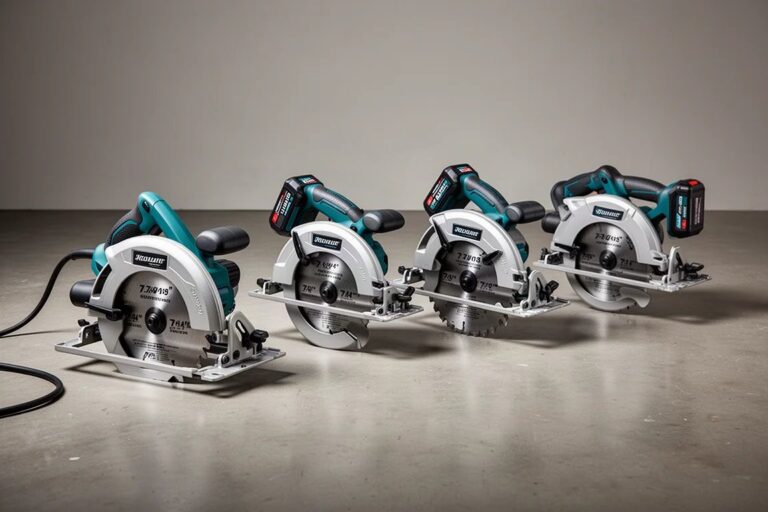
The circular saw is the workhorse of the construction site. It features an exposed blade and an adjustable shoe that allows for depth and bevel adjustments. Because the blade is open, it excels at plunge cuts and freehand work where you need to see the blade path clearly. It’s the go-to tool for general lumber work, such as cutting studs for walls or trimming door bottoms.
Common Circular Saw Features
- Blade diameter: 6.5 to 7.25 inches.
- Power source: Corded or cordless battery packs.
- Base plate: Often stamped steel or cast magnesium.
Why Choose a Track Saw?
A track saw is essentially a circular saw mounted on a specialized rail system. This configuration turns a handheld tool into a precision machine capable of making straight, factory-quality cuts on large panels. The track acts as a guide, ensuring the blade follows a perfectly straight line every time. This is essential when you need to rip a long sheet of plywood or perform a clean crosscut on an expensive piece of hardwood.
Essential Track Saw Benefits
- Zero-clearance: The rubber strip on the track prevents splintering.
- Plunge action: The blade stays hidden until you press the handle down.
- Dust collection: Enclosed blade housings capture a high percentage of sawdust.
Key Differences Between Track and Circular Saws
| Feature | Circular Saw | Track Saw |
|---|---|---|
| Precision | Moderate | High |
| Portability | Excellent | Good |
| Setup Time | Low | Moderate |
| Cost | Low to Mid | High |
| Best Use | Rough Framing | Fine Cabinetry |
When to Use Which Tool
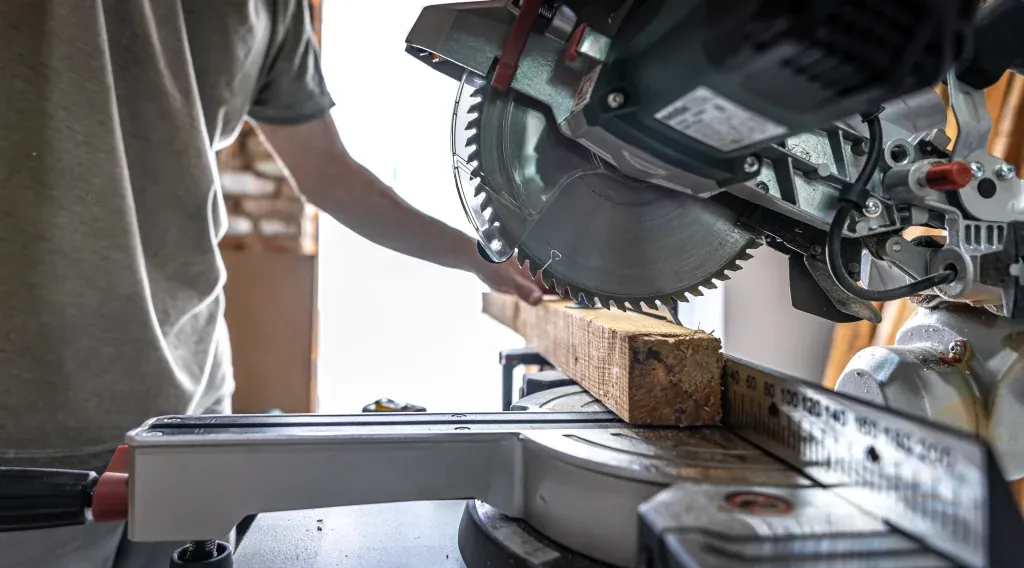
Selecting the right tool depends entirely on your project’s accuracy requirements. If you’re building a deck or framing a shed, the circular saw is your best companion. It’s fast, lightweight, and can handle the abuse of a busy job site. Conversely, if you’re building bookshelves, a desk, or custom cabinetry, the track saw is the superior choice for achieving tight joints and perfectly square edges without needing a heavy table saw.
Pro Tip: If you’re using a circular saw, always clamp a straight edge to your workpiece if you need a straight line, as freehand cutting with a circular saw rarely results in a perfectly accurate edge.
Safety Protocols for Saws
Operating power tools requires strict adherence to safety guidelines to prevent injury. The Occupational Safety and Health Administration provides detailed information on machine guarding and safe operation practices for circular saws. Regardless of the tool type, ensure your blade is sharp, the guard is functioning properly, and you’re wearing hearing protection. Never force the saw through the material, as this increases the risk of kickback.
Essential Accessories and Upgrades
Both tools benefit from specific accessories that improve performance. For a circular saw, investing in a high-quality carbide-tipped blade can drastically improve cut quality. For a track saw, consider purchasing extra rail connectors to extend your reach for long rips.
Popular Tool Brands
- Milwaukee: Known for durable, high-torque cordless tools.
- Festool: Offers premium track saw systems with advanced dust extraction.
- Makita: Reliable options for both circular and track saw categories.
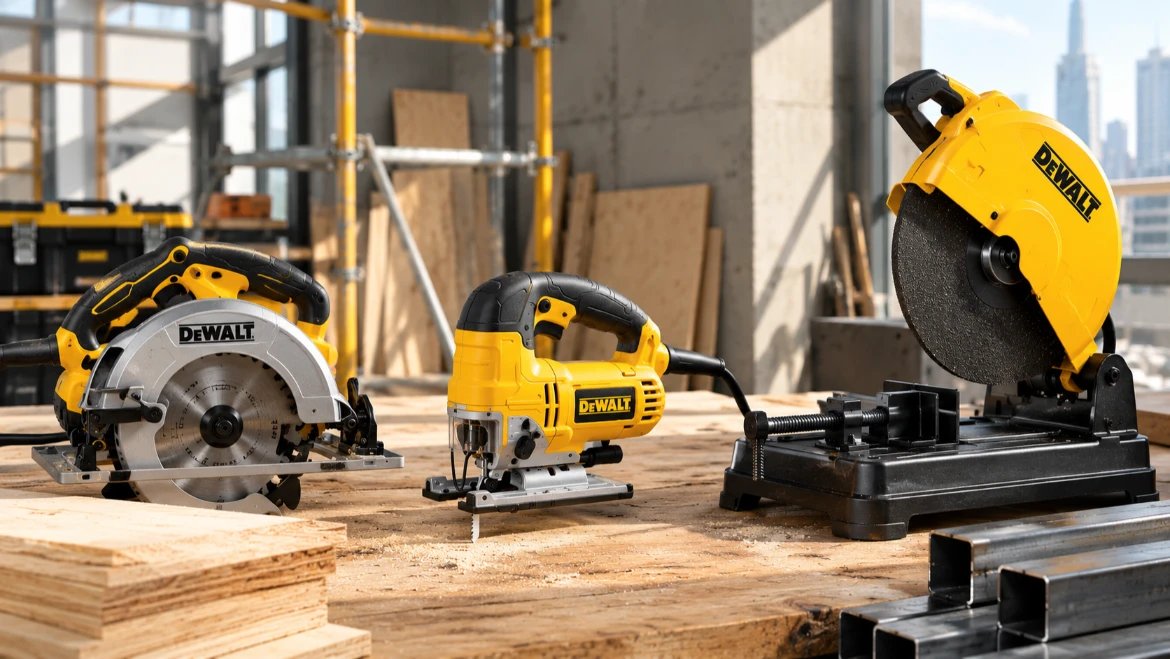
- DeWalt: Industry standard for heavy-duty construction power tools.
Warning: Never attempt to remove the blade guard on a circular saw, as this safety feature is critical to preventing accidental contact during operation.
Troubleshooting Common Cut Issues
If your saw is burning the wood, it usually indicates that the blade is dull or the feed rate is too slow. For track saws, ensure the track is securely fastened to the material using clamps, as any shifting will ruin the precision of the cut. If your circular saw is wandering, check the base plate for alignment issues or ensure you aren’t putting too much lateral pressure on the tool during the cut.
Managing Your Workshop Budget
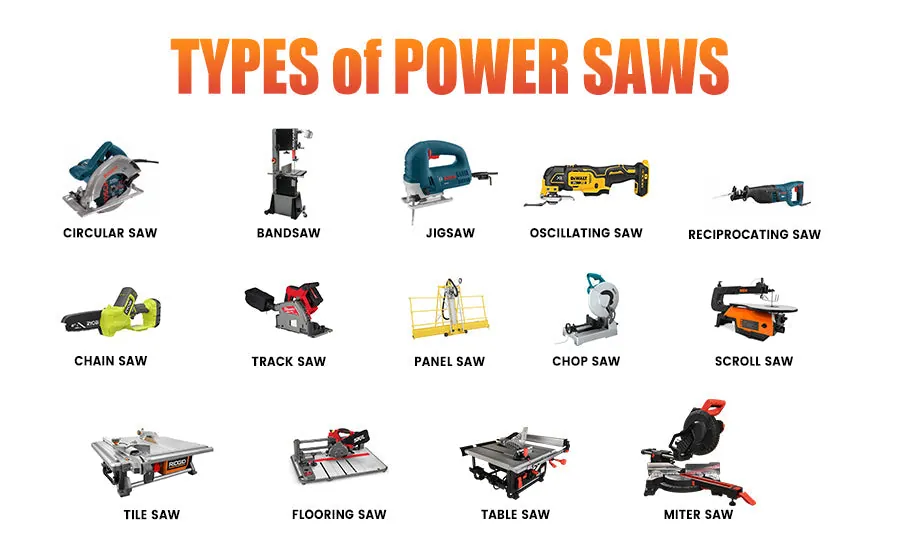
When deciding between these tools, consider the total cost of ownership. A circular saw is inexpensive, but you may spend more time sanding or cleaning up edges. A track saw is a significant upfront investment, but it saves time on post-cut finishing. If you’re a beginner, starting with a circular saw and a DIY straight-edge jig is a cost-effective way to develop your skills before upgrading to a dedicated track system.
Frequently Asked Questions
Can a circular saw do what a track saw does?
A circular saw can perform similar cuts if you use a long straight edge or a DIY guide rail. However, it will lack the zero-clearance splinter protection and the integrated dust collection of a dedicated track saw. While you can achieve high accuracy with a circular saw, it requires significantly more setup time and manual verification to ensure the cut is perfectly straight and clean.
Is a track saw safer than a circular saw?
Generally, a track saw is considered safer because the blade is fully enclosed in a housing and only exposed during the cut. The plunge mechanism prevents the blade from spinning while outside the material. Circular saws have exposed blades that can kick back more easily if the shoe isn’t held flat against the workpiece or if the blade binds during the operation.
Do I need a table saw if I have a track saw?
For many woodworkers, a track saw can replace a table saw for breaking down large sheet goods. However, a table saw is still superior for repetitive cuts of smaller pieces, dadoing, and intricate joinery. If you primarily work with large panels, a track saw is excellent, but if you do heavy production work on small components, a table saw remains the more efficient choice.
Are track saw rails universal?
Most track saw rails are brand-specific. While some adapters exist, you generally can’t use a Festool track with a Makita saw without significant modification. When you purchase a track saw, you’re essentially committing to that brand’s ecosystem of rails, connectors, and accessories. Always check compatibility if you plan on mixing brands or purchasing used equipment from different manufacturers.
How do I maintain my saw blades?
Keep blades clean by removing resin and pitch buildup using a dedicated blade cleaner. Ensure the teeth are sharp; if you notice burning or the saw feels like it’s struggling, the blade is likely dull. You can have professional shops sharpen carbide blades, but for standard circular saw blades, it’s often more cost-effective to replace them once they become dull or damaged.
Conclusion
Investing in the right saw depends on your primary woodworking goals. If you’re starting your journey, purchase a reliable circular saw and learn to master it with a straight-edge jig. As your projects become more complex, you’ll know exactly when the precision of a track saw is required to elevate your finished work to the next level.