Oscillating Tool Blades Explained: Types, Materials, and Uses
Oscillating tool blades are specialized attachments designed for cutting, sanding, and scraping materials like wood, metal, and plastic, with the right choice depending entirely on the material density and the specific task at hand. Selecting the correct material, such as bi-metal for nails or carbide for masonry, ensures the blade lasts longer and cuts more efficiently without burning the workpiece.
Selecting the right oscillating tool blades
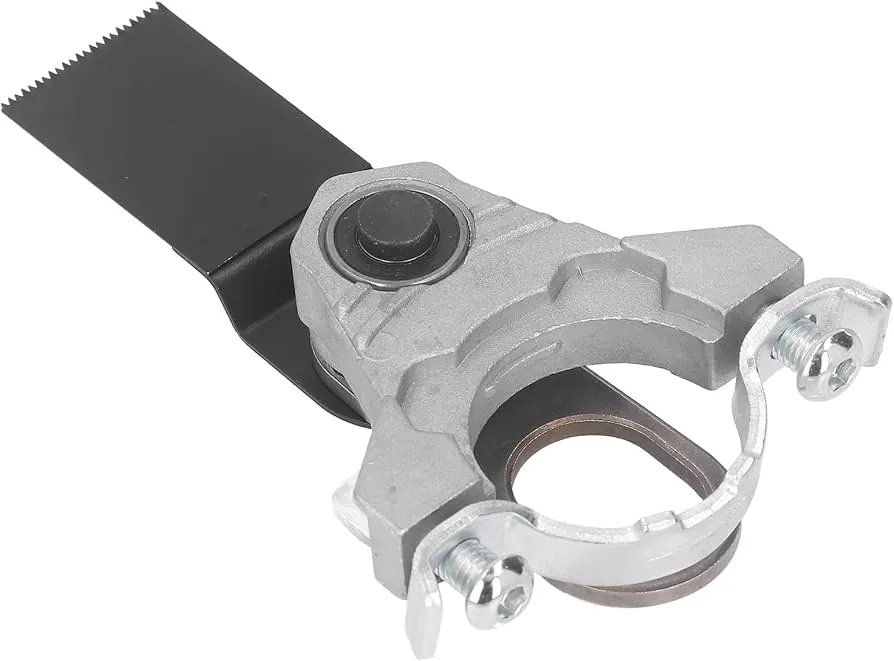
Choosing an attachment requires matching the tooth count and material composition to your specific task. You’ll find that a high tooth count creates a smooth, precise finish, while fewer teeth allow for faster, more aggressive material removal. Always check that your tool uses a universal fitment system or an adapter if your specific brand requires one.
Blade Material and Application Guide
| Blade Material | Best For | Avoid Using On |
|---|---|---|
| High Carbon Steel | Soft wood, drywall, plastic | Nails, screws, metal |
| Bi-Metal | Wood with nails, copper, PVC | Hardened steel, masonry |
| Carbide Grit | Grout, tile, cement board | Soft wood, thin plastic |
| Titanium Coated | General wood, hardwoods | Heavy stone, concrete |
When you’re working with wood that might contain hidden fasteners, always choose a bi-metal blade. These are designed to withstand the impact of hitting metal without snapping the teeth off immediately. If you’re cutting through hardened materials like tile or grout, a carbide-tipped or grit blade is the only option that won’t dull in seconds.
Safety and Operational Best Practices
Using these tools safely requires a steady hand and an awareness of the vibration levels generated during operation. Always wear proper eye and hearing protection whenever you operate power tools, as debris can be ejected at high speeds. Don’t force the tool into the material; let the oscillating motion do the work for you.
If you feel the tool vibrating excessively or notice smoke, you’re pushing too hard or the blade is already dull. Stop immediately and check the blade condition. If the teeth show a rounded profile or the metal appears discolored from heat, replace the blade. Continuing to cut with a dull accessory forces the motor to work beyond its thermal limits, which often leads to internal component failure.
When making a plunge cut, start by placing the edge of the blade against the surface at an angle. Slowly tilt the tool upright until the blade penetrates the material fully. This prevents the tool from “walking” or jumping across your workspace, which often ruins the finish of your project. For cuts deeper than half an inch, use a steady, rhythmic motion to clear sawdust from the kerf, preventing the blade from binding.
Common Mistakes That Ruin Blades
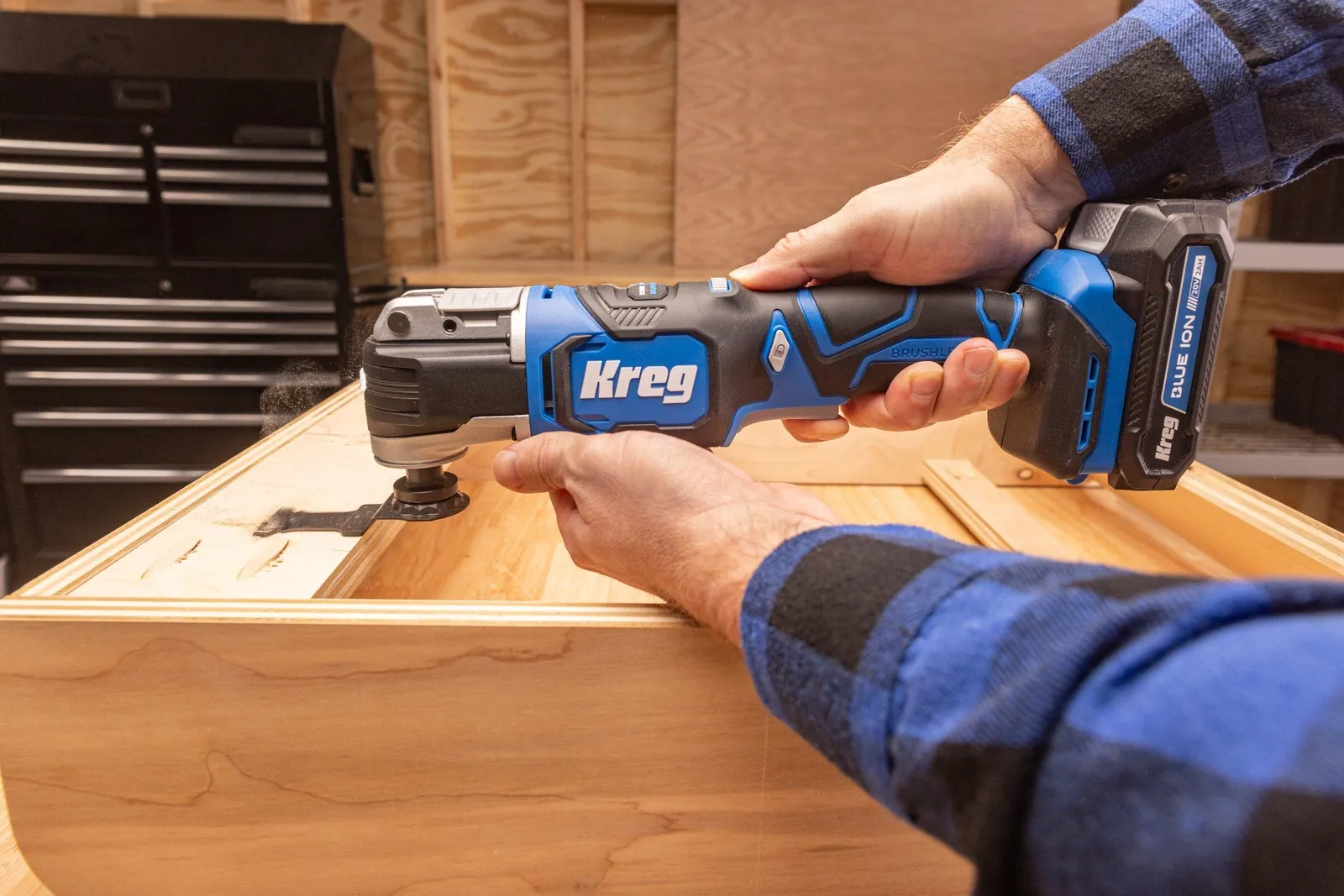
One of the biggest errors people make is using a wood-cutting blade on metal or masonry. High-carbon steel teeth are soft and will lose their edge instantly when they strike a hardened screw or nail.
You’ll end up with a useless piece of metal that generates excessive heat, which can damage the motor of your oscillating tool over time. Always check the material rating stamped on the blade shank before you mount it. If you’re cutting through unknown wall cavities, switch to a bi-metal blade to prevent tooth stripping.
Another mistake involves heat management during long cuts. When you cut through thick materials, the friction generates significant heat that softens the metal of the blade. If you notice the blade turning a dark blue or black color, you’ve overheated it.
This discoloration indicates the tempering has failed, meaning the blade will dull within seconds of resuming work. Take a ten-second break every thirty seconds to let the blade cool. If the material smokes, reduce your feed pressure immediately to preserve the remaining edge.
Frequently Asked Questions
Can I sharpen oscillating tool blades?
You can’t effectively sharpen most oscillating blades because of their small, hardened teeth and specialized geometry. Attempting to sharpen them usually ruins the tooth set, leading to poor performance and increased risk of the tool binding in your material. It’s safer and more efficient to replace the blade once it becomes dull.
Do all oscillating tool blades fit every brand?
Most modern blades use a universal fitment, but some brands still require specific adapters or proprietary locking systems. Check your tool’s manual to see if it supports the standard open-ended or star-pattern mount. Don’t force a blade onto the mount if it doesn’t click or seat firmly, as this causes dangerous vibration.
How long should a single blade last?
A blade’s lifespan depends entirely on the material you’re cutting and your feed pressure. While a high-quality bi-metal blade can handle hundreds of wood cuts, it may only last for one or two cuts through hardened masonry or metal. Always keep a few spare blades on hand to avoid stopping your project mid-task.
Conclusion
Before you start your next project, identify the specific material you need to cut and select a blade designed for that task. If you’re unsure, test the blade on a scrap piece of the same material to ensure the depth and finish meet your requirements. Replace your blades as soon as you notice a decrease in cutting speed.