
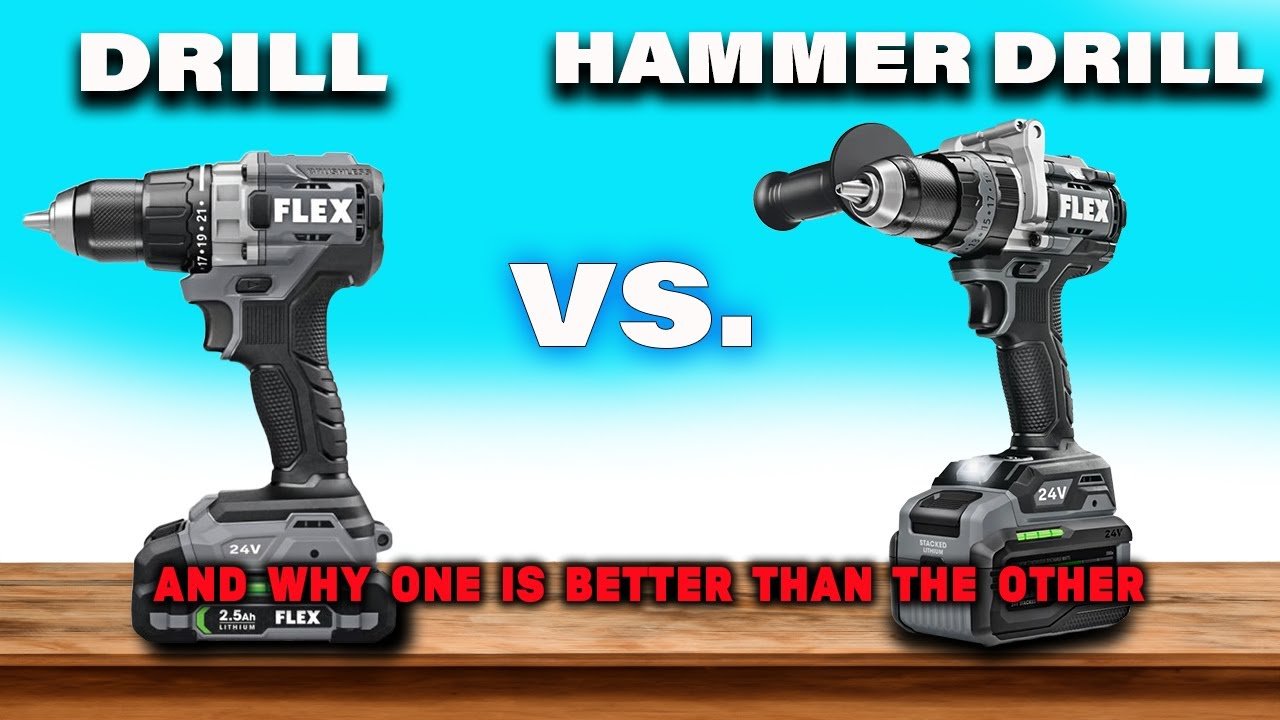
Regular Drill vs. Hammer Drill: Which One Do You Need?
A regular drill spins the bit. A hammer drill spins and hammers forward at the same time. For wood, plastic, metal and drywall, choose a regular drill — it costs less and won’t crack the surface. For concrete, brick or masonry, choose a hammer drill — only its hammering action breaks the material as the bit turns.
Regular drill vs hammer drill
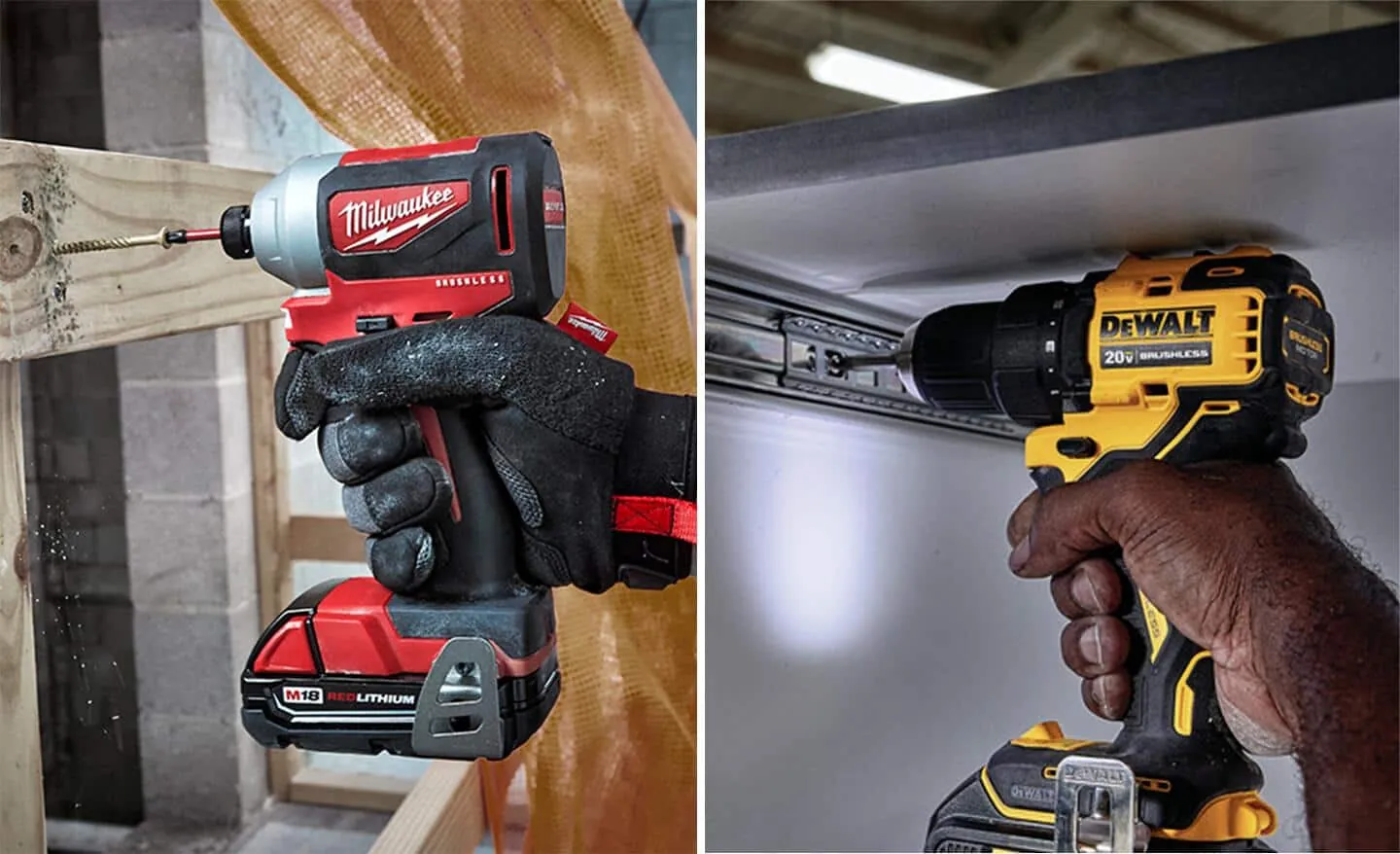
A regular drill turns the bit with steady rotation. A hammer drill adds a rapid forward pounding motion while it spins, so the bit chips away at hard material as it bores. Cordless models of both run on rechargeable batteries, and corded versions plug into a wall outlet. The right choice depends entirely on what you’re drilling into.
If you’re drilling into poured concrete or reinforced brick, a hammer drill is mandatory. Using a regular drill on these surfaces will overheat your bit, dulling the cutting edge within seconds and leaving you with a shallow, polished divot rather than a hole.
For wood, metal, or drywall, stick to a regular drill. The hammer action is unnecessary here and often causes the bit to wander, resulting in oversized or jagged holes that compromise your fasteners.
If you only need to hang a single picture frame in soft, old-fashioned brick, you can get away with a regular drill and a masonry bit. Apply steady, heavy pressure and move slowly to avoid burning out your motor. If the hole takes more than two minutes to progress, stop immediately to prevent permanent tool damage.
Regular drill
A regular drill is the right tool for everyday holes and driving screws. It spins the chuck at a speed you set with the trigger or a dial, and many models offer a clutch so you don’t strip screw heads.
Pick a twist bit for wood or metal, or a spade bit for larger wood holes. Tighten the bit in the chuck by hand or with the key. Set the speed low for metal, higher for wood. Hold the drill perpendicular to the surface and start slowly. Apply steady pressure; let the bit do the work.
If you’re drilling into metal, use a drop of cutting oil to prevent the bit from overheating and losing its temper. Without oil, the friction will ruin a high-speed steel bit in seconds.
For masonry, you must switch to a hammer drill. A regular drill lacks the percussive action needed to pulverize concrete, meaning you’ll simply burn out the motor while the bit spins uselessly against the surface.
It’s lightweight, inexpensive, and easy to control for hours of assembly or furniture work. Its weakness is masonry: concrete and brick will dull a standard bit quickly and the motor can strain.
Hammer drill
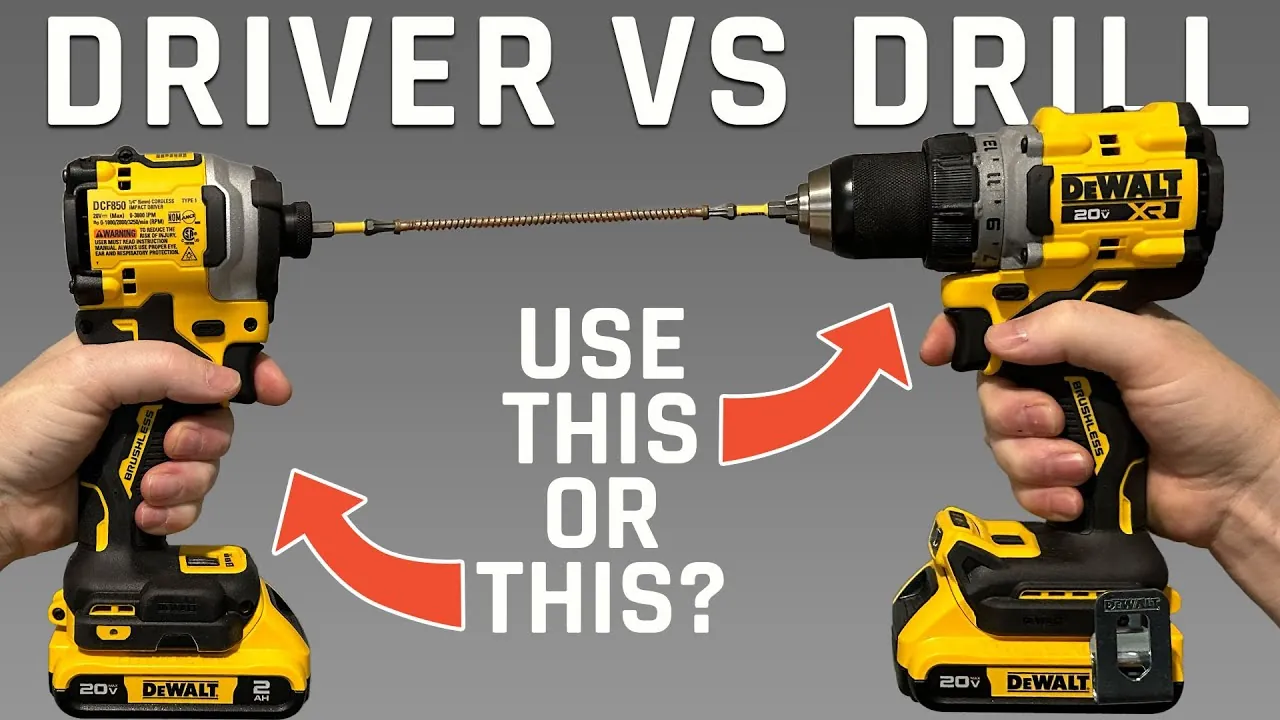
A hammer drill is built for hard surfaces. It rotates the bit while a mechanism inside drives it forward in short, fast blows, which pulverizes concrete as the hole deepens.
- Insert a carbide-tipped masonry bit made for hammer drills.
- Switch the tool to hammer mode, or to drill-only mode if you’re working in wood.
- Mark the spot, then start the drill at low speed to seat the bit.
- Increase speed and let the hammering action advance the hole; don’t lean on it.
- Withdraw the bit occasionally to clear dust.
It powers through concrete, brick and block that would stop a regular drill. The trade-off is weight, noise and cost, and the hammering action can crack tile or brittle masonry if you aren’t careful. If you only need one or two small holes in soft brick, a regular drill with a masonry bit can work, but it will be slow and hard on the tool.
If the bit stops advancing, stop immediately. Pushing harder only generates excessive heat, which dulls the carbide tip and renders the bit useless in seconds. If you’re drilling into hollow block, switch to drill-only mode once you pass the first face to avoid shattering the interior webbing. For holes deeper than three inches, use a vacuum to clear the dust; otherwise, the debris will pack into the bottom and jam the bit.
Which drill should you choose
For most home tasks, the regular drill wins because it’s lighter, cheaper, and gentler on delicate surfaces. If you’re mounting shelves into concrete or brick, the hammer drill is the only sensible choice. The percussive action pulverizes masonry, whereas a regular drill will merely spin uselessly against the stone and overheat its motor.
If you’re a beginner, start with a regular drill. It’s significantly easier to control, and the lower torque prevents you from stripping screws or cracking drywall. Many novices make the mistake of buying a heavy-duty hammer drill for general assembly, only to find the extra weight causes wrist fatigue during long projects.
If you need the best result, own both. Use the hammer drill exclusively for masonry, and keep the regular drill for wood and metal. If you’re unsure which you need, check the wall.
Safety and setup for any drill
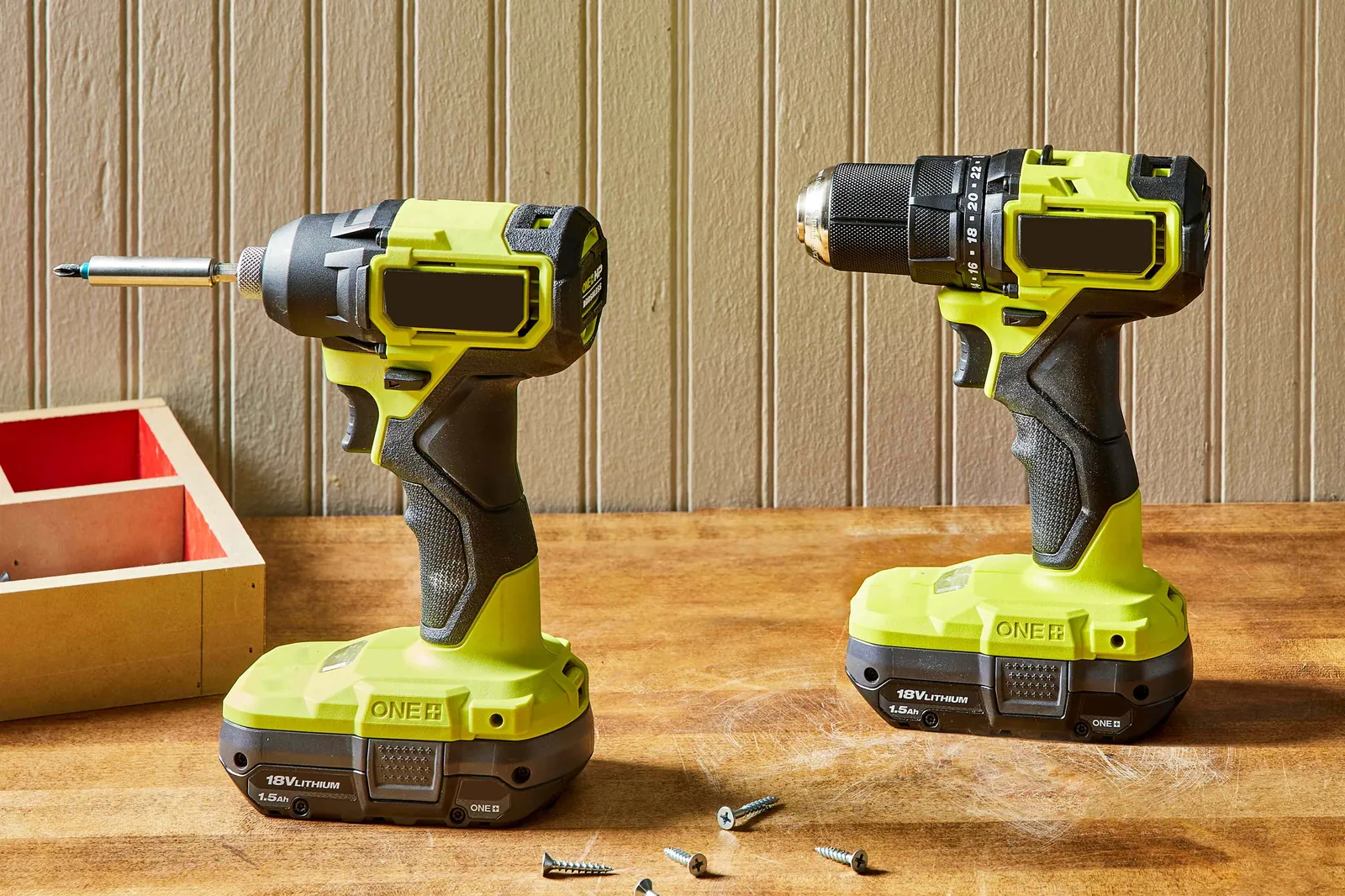
Wear eye protection every time you drill, and hearing protection if you use a hammer drill for more than a few minutes. Check the battery or cord before you start, and confirm the bit is tight in the chuck. Mark your hole with a pencil or center punch so the bit doesn’t wander. Partway through, stop and clear dust from the hole, especially in masonry. When you finish, release the trigger fully before you pull the bit out.
Both tools can throw debris and bind if the bit catches. If you’re drilling into a wall, check for pipes and wires first. Use a stud finder with live-wire detection, or turn the power off at the breaker. If you hit a wire, the cost is a fire hazard or a shock; if you hit a pipe, you face immediate water damage.
Never wear loose clothing or dangling jewelry while operating a drill. These items can catch in the rotating chuck and pull your hand into the tool. If you’re drilling metal, use a drop of cutting oil to prevent the bit from overheating and snapping. For large or frequent masonry work, hire someone with the right equipment and experience. If the bit starts to smoke, stop immediately. You’re pushing too hard, which ruins the temper of the steel.
Frequently asked questions
Can I use a regular drill on concrete?
No. A regular drill lacks the hammering action needed to break up concrete, so a standard bit will overheat and dull quickly. Use a hammer drill with a carbide masonry bit instead.
How long does a hammer drill bit last?
A carbide masonry bit typically lasts through dozens of holes in concrete, though hard aggregate shortens its life. Replace it when the tip looks worn or drilling slows noticeably.
Is it safe to drill into a wall?
Only after you check for hidden pipes and electrical cables. Use a stud finder with wire detection or switch the circuit off at the breaker before you start.
What happens if I use a hammer drill on tile?
The hammering action can crack ceramic or porcelain tile. Use a regular drill with a diamond or carbide tile bit at low speed, and apply painter’s tape over the spot to keep the bit from slipping.
Do I need a corded or cordless drill?
Cordless is convenient for most home jobs and runs on rechargeable batteries. Corded models provide steady power for long sessions and are best if you’re drilling many holes in masonry.
What size drill do I need?
A 3/8-inch drill handles most household tasks, while a 1/2-inch model suits larger bits and heavier work. Match the chuck size to the biggest bit you plan to use.
Conclusion
Pick the tool for the material, not the price tag. A regular drill serves wood, metal and drywall well, while a hammer drill earns its place when concrete or brick is in the way. If you only face masonry once or twice a year, renting a hammer drill often makes more sense than buying one.


One Comment