Impact Driver Battery Compatibility: Can You Mix Tool Batteries?
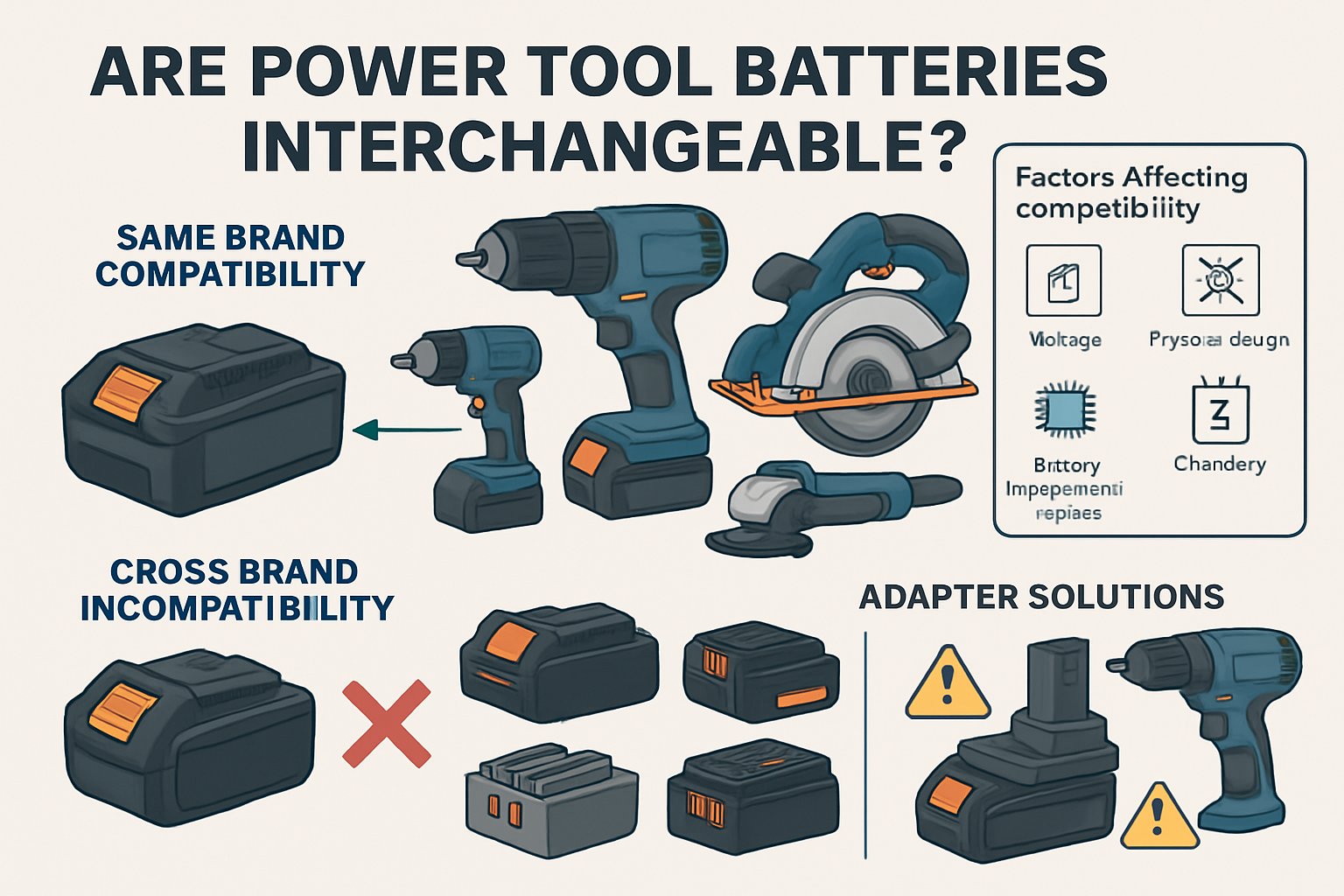
No, you generally can’t mix batteries between different tool brands. You’ll find that proper impact driver battery compatibility depends on the specific voltage, physical connection, and internal communication protocols of the battery and the tool you’re using.
Checking impact driver battery compatibility
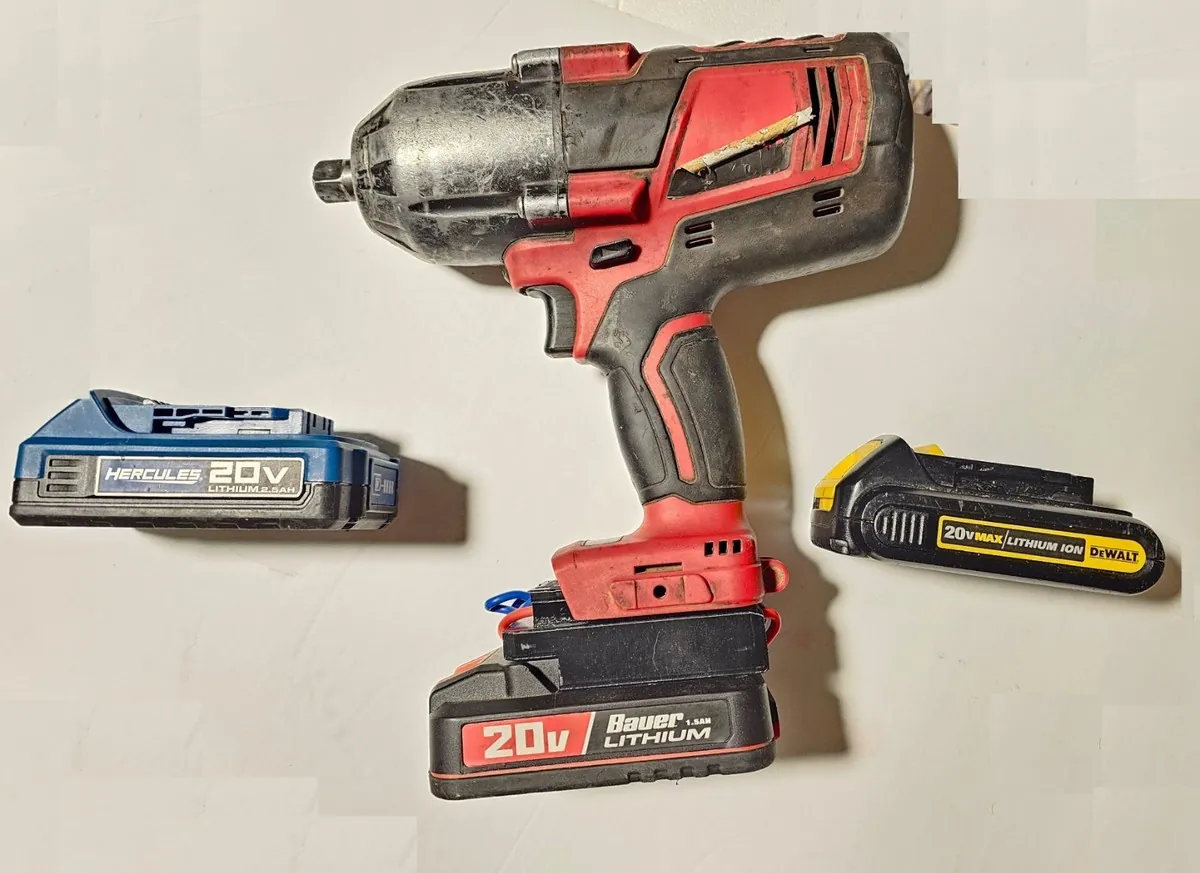
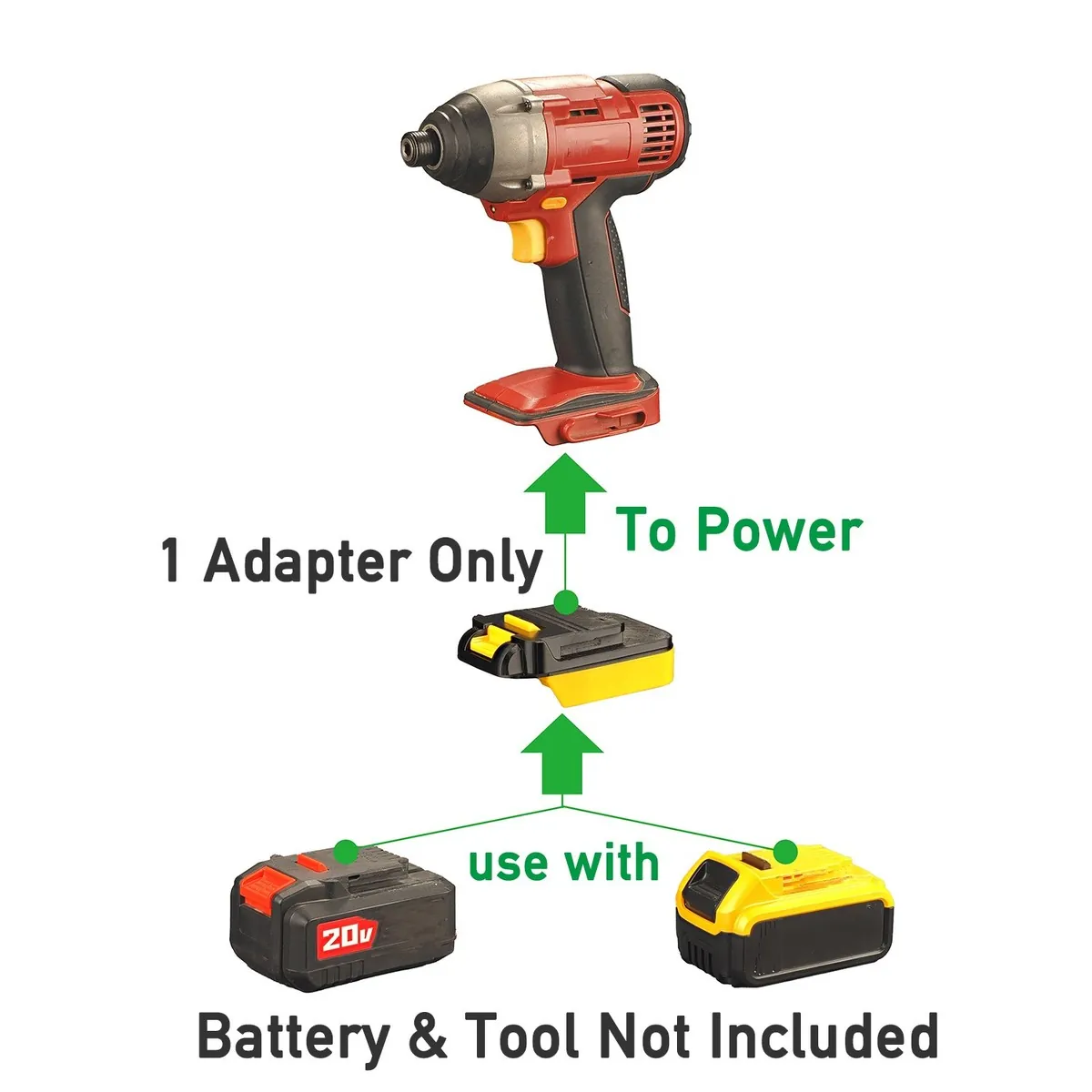
Most power tool manufacturers use proprietary designs that prevent batteries from fitting into tools made by competitors. While some adapters exist, they often bypass safety circuits that protect your tools and batteries from damage.
| Situation | Answer | Why |
|---|---|---|
| Same brand, same voltage | Yes | Designed to work together |
| Same brand, different voltage | No | Tool can’t handle higher voltage |
| Different brands | No | Physical slots don’t match |
| Using third-party adapters | Risky | Bypasses essential safety features |
| Older vs newer models | Maybe | Check manufacturer’s backward compatibility |
The role of voltage and communication
The primary reason you can’t swap batteries is the internal design of the power system. Each brand builds its tools to communicate with its own battery packs. This communication monitors heat and power draw to prevent the motor from burning out or the battery from overheating. If you force a battery from one brand into another, these safety signals are lost.
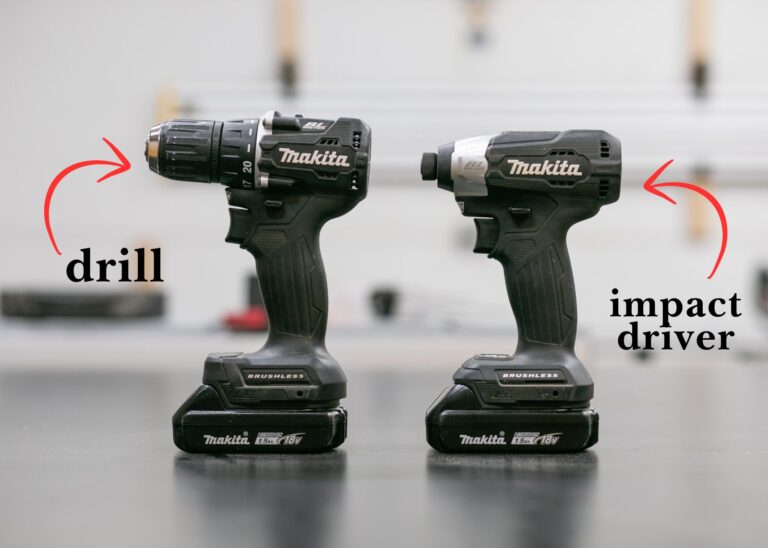
Furthermore, physical shape is a deliberate barrier. Companies like Milwaukee, DeWalt, and Makita shape their battery ports to ensure only their branded packs lock into place. Forcing a fit can damage the plastic contacts or cause a short circuit.
If the voltage is different, you risk destroying the tool’s electronics immediately. If the voltage matches, you still risk a fire if the battery lacks safety standards for that specific tool. If the brands match, use the same voltage; if they differ, stick to the original brand.
Steps for battery maintenance
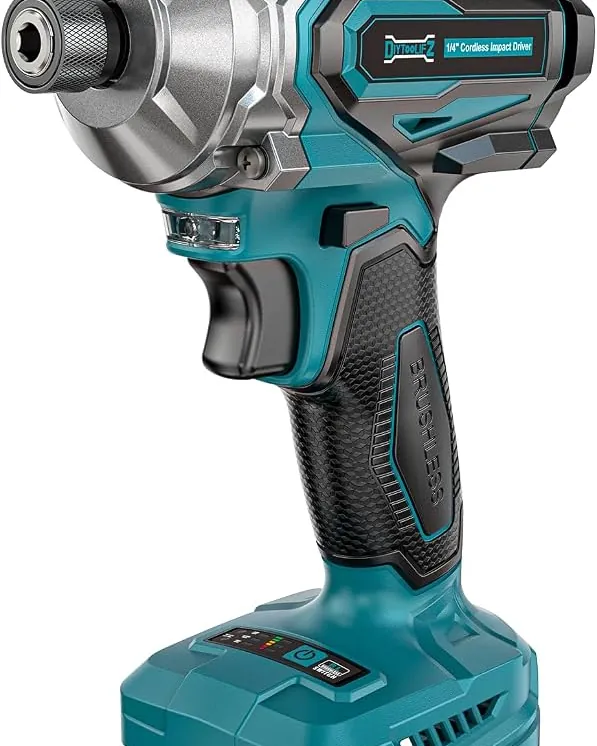
If you want to keep your batteries healthy and ensure they last as long as possible, follow these steps.
- Check the voltage rating: Look at the label on both the tool and the battery to ensure they match. A 20V tool requires a 20V battery to function safely.
- Inspect the contact points: Clean the metal terminals on the battery with a dry cloth to remove dust or debris. This ensures a clean electrical connection during use.
- Use the correct charger: Always use the charger provided by the manufacturer of your specific battery pack. Using the wrong charger can cause the battery to overheat or fail.
- Store in a cool place: Keep batteries in a dry, room-temperature area away from direct sunlight. High heat degrades the chemical cells inside the battery pack.
The mistake people make
The most common mistake is using a third-party adapter to power a tool with a different brand’s battery. This often costs users a ruined tool or a voided warranty, as the manufacturer won’t cover damage caused by unauthorized power sources. The best way to avoid this is to only use batteries specifically designed for your tool model. If you’re unsure, check the manufacturer’s user manual for a list of compatible battery part numbers.
When to stop and get help
Stop using your battery immediately if you notice any of the following signs.
- The battery casing feels hot to the touch after light use.
- You see physical swelling or leaking on the battery pack.
- The tool smells like burning plastic or produces smoke.
- The battery stops holding a charge after only a few minutes.
If you see these signs, contact the manufacturer’s support team for a replacement, as these are signs of internal cell failure.
Frequently asked questions
Can I use a 18V battery in a 20V tool?
You should generally use the battery voltage specified by the manufacturer, though many 18V and 20V systems are electrically compatible as they use the same nominal cell voltage. Always match the voltage exactly.
Is it safe to use generic replacement batteries?
No, generic batteries often lack the internal safety sensors found in original manufacturer packs. They can overheat or fail to communicate properly with your tool’s motor controller during operation.
How long do impact driver batteries last?
Most batteries last for a limited duration with regular use and proper storage. The exact lifespan depends on how often you charge them and the storage temperature.
What happens if I force a battery into a tool?
You’ll likely break the plastic housing or bend the metal contact pins. This permanent damage often requires a professional repair that isn’t covered by your warranty.
Does the amp-hour rating matter?
Yes, the amp-hour rating determines the runtime of your tool. A higher amp-hour battery runs longer but is heavier; a lower amp-hour battery is lighter but drains faster.
Why does my battery get hot during charging?
It’s normal for a battery to get warm, but it should never be too hot to hold. If it’s extremely hot, stop the charger and check the vents.
Start with the right equipment
Check your tool’s base or the battery label to confirm the exact voltage and brand requirements before buying a replacement. You should expect a perfect, snug fit when sliding the battery into the tool. If you feel resistance, stop immediately.