How to Cut Metal with a Rotary Tool Safely and Cleanly
Cutting metal with a rotary tool involves using high-speed abrasive disks or carbide bits to abrade, slice, or carve through conductive materials with precision and control. While these handheld power units are exceptionally versatile for hobbyist and professional projects, achieving a clean result requires specific accessories, steady hand movements, and strict adherence to personal protective equipment protocols. Mastering this process transforms a standard tool into a miniature metal-fabrication station capable of handling everything from thin-gauge sheet metal to hardened steel bolts.
Key Takeaways
- Always wear ANSI-rated impact-resistant eye protection to guard against flying metal shrapnel and disk debris.
- Select the correct abrasive disk thickness based on the material density and the depth of the intended cut.
- Maintain a light, consistent pressure to prevent the tool from stalling or the cutting accessory from shattering.
- Secure the workpiece firmly using a bench vise or clamps to eliminate vibration during the cutting process.
- Keep the tool speed high for abrasive cutting, but lower it for milling or drilling operations on soft metals.
How to Cut Metal Safely and Cleanly
Achieving a clean cut starts with the physical stabilization of the workpiece. If the metal moves even slightly during the operation, the rotary disk will bind, causing it to shatter or mar the surface of your project.
Use a bench vise or heavy-duty c-clamps to lock the metal in place, ensuring that the cut line is positioned as close to the clamping point as possible to reduce “chatter” or vibration. Always prioritize workpiece security to keep your hands clear of the rotating accessory at all times.
Essential Rotary Tool Accessories
You can’t achieve a professional finish without the right consumables. For cutting, fiber-reinforced cutoff wheels are the industry standard because they resist breaking under lateral pressure better than standard ceramic disks. If you’re working with very thin sheet metal, a thin-kerf diamond wheel can provide a smoother edge with less material loss.
| Accessory Type | Best For | Typical Speed (RPM) |
|---|---|---|
| Fiber-Reinforced Disk | Steel, Iron, Bolts | 20,000 – 35,000 |
| Diamond Cutoff Wheel | Thin Sheet Metal | 15,000 – 25,000 |
| Tungsten Carbide Burrs | Milling, Deburring | 10,000 – 20,000 |
| Aluminum Oxide Point | Grinding, Smoothing | 15,000 – 30,000 |
Managing Tool Speed and Pressure
The most common mistake beginners make is forcing the tool into the metal. A rotary tool is designed to let the high-speed accessory do the work; if you push too hard, you decrease the rotational speed, causing the motor to overheat or the wheel to stall. Maintain a steady feed rate and let the tool glide through the material.
The Importance of Protective Gear
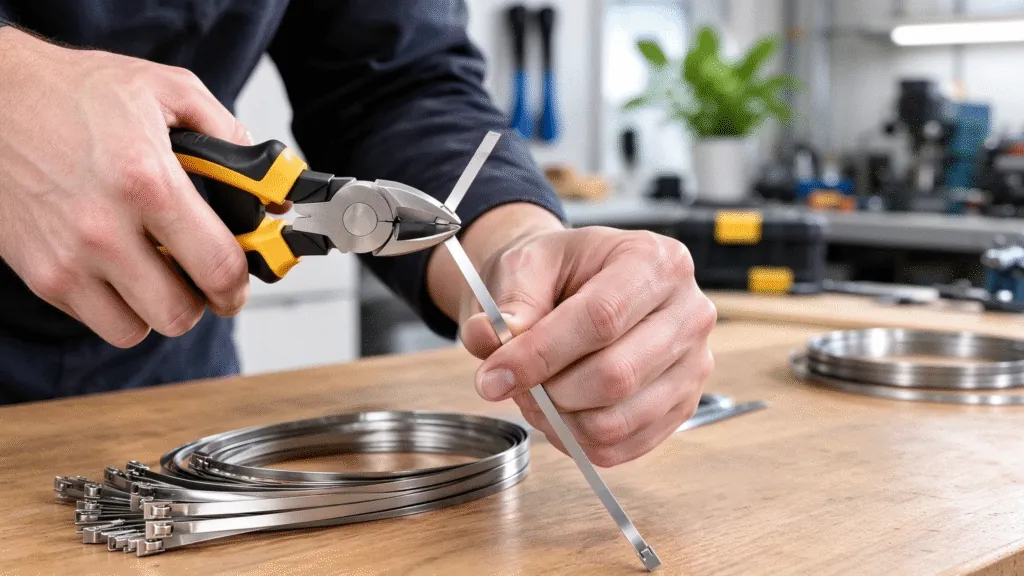
Metal dust and flying sparks are inevitable byproducts of this process. You must wear impact-resistant goggles that provide a full seal against your face to prevent tiny metal slivers from entering your eyes.
A dust mask or respirator is equally vital, especially when cutting galvanized or coated metals, as the fumes produced can be hazardous if inhaled. Heavy-duty leather gloves will protect your skin from the intense heat generated by friction, but ensure they’re tight-fitting to avoid getting caught in the tool’s spinning chuck.
Techniques for Precise Cutting
To achieve a clean line, score the metal first. Use a scribe or a permanent marker to draw your cutting path clearly. Start by grazing the surface along your mark, creating a shallow groove that will guide the disk for the remainder of the cut.
This controlled entry prevents the tool from “walking” or skidding across the surface of the metal, which often ruins the aesthetic of the workpiece. If the cut is deep, perform it in several shallow passes rather than trying to punch through the entire thickness at once.
How Do You Clean the Edges?
Once the metal is cut, the edges will likely be jagged or sharp. This is known as a “burr.” You can clean these edges using a tungsten carbide burr or an aluminum oxide grinding stone. Simply run the accessory along the cut edge at a moderate speed to chamfer the material. A small hand-held metal file can also be used for the final finishing touches, providing a smooth, finger-safe edge that looks professionally machined.
Troubleshooting Common Cutting Issues
| Symptom | Likely Cause | Solution |
|---|---|---|
| Disk Shattering | Too much lateral pressure | Reduce pressure; let the tool work |
| Excessive Sparks | Dull accessory | Replace the cutting disk |
| Tool Overheating | Speed too low | Increase RPM; clean air vents |
| Uneven Cuts | Loose workpiece | Tighten clamps or bench vise |
Should You Use Lubrication?
While many rotary tool users cut metal dry, adding a drop of cutting oil or light machine oil can significantly improve the quality of the cut, especially when working with aluminum or soft alloys. Lubrication prevents the metal from “galling” or sticking to the disk, which keeps the edge cleaner and extends the life of your abrasive accessory. Use a small brush to apply a thin film along the cut line before you begin.
Managing Sparks and Fire Hazards
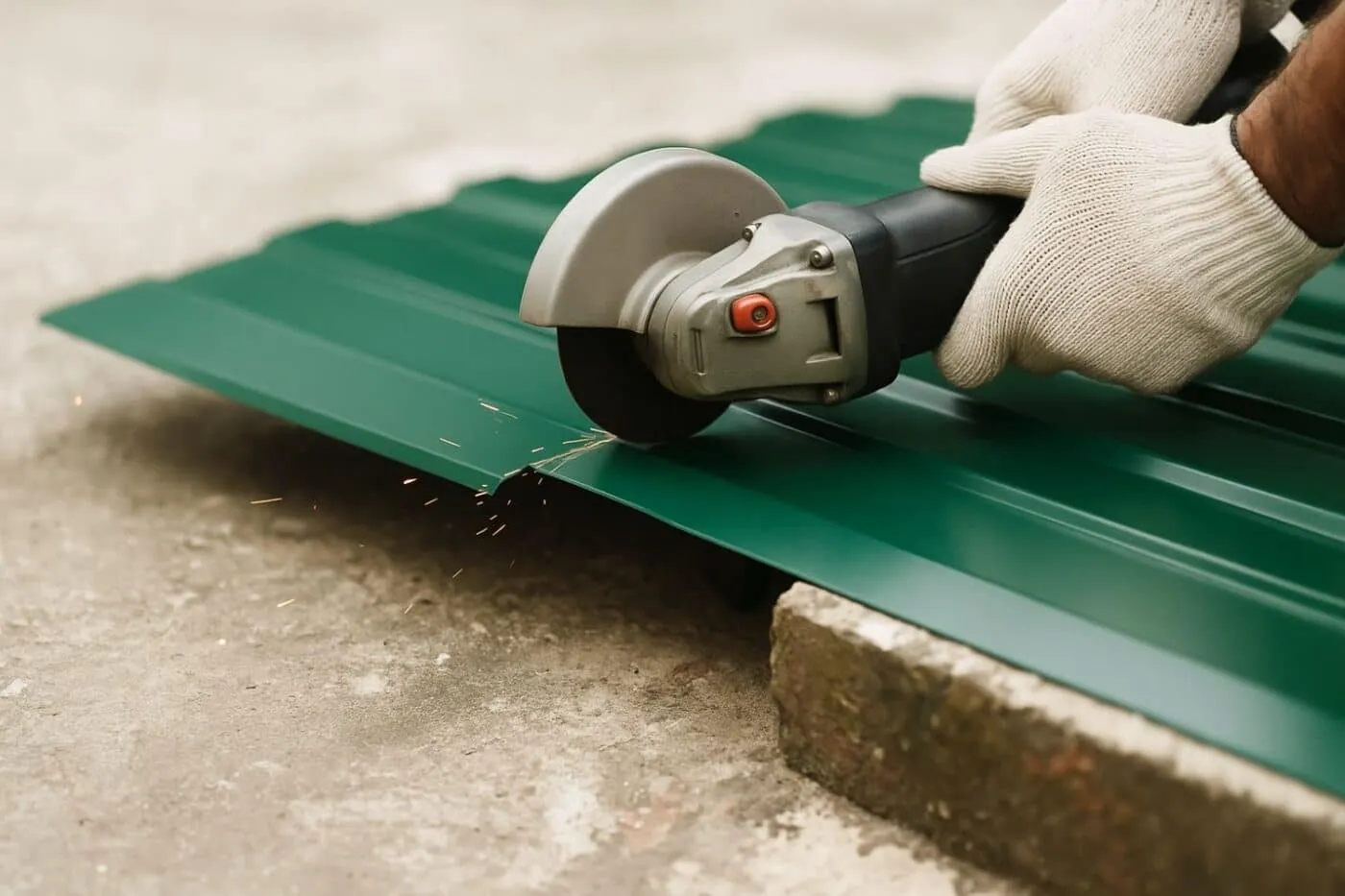
Warning: Sparks produced by cutting metal are essentially small pieces of molten iron that can travel several feet. Clear your workspace of all flammable materials, including paper, rags, and chemical containers, before you plug in your tool. Keep a fire extinguisher within reach if you’re working in a garage or workshop where wood or other combustibles are present.
Pro Tip: If you’re cutting a long piece of metal, support the waste side of the material so it doesn’t bend or snap off prematurely as you reach the end of your cut. This prevents the metal from binding the disk at the very last second.
Related guides
- How to Cut Baseboards With a Miter Saw: Inside and Outside Corners
- How to Cut Clean Mortises with a Plunge Router: Expert Guide
- How to Cut Metal With an Angle Grinder Safely: Expert Guide
Frequently Asked Questions
Why does my rotary tool disk keep breaking?
Disks typically shatter because of side-loading, which happens when the tool is tilted during a cut. Keep the disk perfectly perpendicular to the metal surface. If you twist the tool or apply uneven pressure, the thin abrasive material can’t withstand the torque, leading to immediate fracture. Always ensure the mandrel is tightened securely so the disk doesn’t wobble during high-speed rotation.
Can I cut hardened steel with these tools?
Yes, you can cut hardened steel, but you must use the correct accessories, such as reinforced cutoff wheels or diamond-coated disks. Standard abrasive wheels will wear down rapidly against hardened materials. Use a slow, consistent motion and be prepared to go through multiple disks, as the hardness of the metal will consume the abrasive material much faster than it would with mild steel.
What is the best speed setting for metal?
For most cutting applications, you should set your rotary tool to its maximum speed, usually between 25,000 and 35,000 RPM. High speeds are necessary for the abrasive action to remove material efficiently. If you lower the speed too much, the tool will struggle to cut and will likely stall. Only reduce the speed if you’re using a larger accessory or performing delicate engraving tasks.
How do I prevent the metal from getting too hot?
Metal absorbs heat quickly during friction-based cutting. To prevent discoloration or warping, take frequent breaks to allow the material to cool. If the metal becomes too hot to touch, it may lose its temper or deform. Using a light touch and allowing the tool to do the work will generate less heat than forcing the accessory against the metal surface.
Is it safe to cut galvanized metal?
Cutting galvanized steel releases zinc oxide fumes, which can be harmful if inhaled in confined spaces. Always work in a well-ventilated area or use a local exhaust fan to clear the air. Wearing a NIOSH-approved respirator is highly recommended to protect your lungs from both the metal dust and the chemical fumes produced during the cutting process.
Conclusion
To begin your next project with confidence, select a scrap piece of metal to practice your technique and steady your hand before moving to your final workpiece. Ensure your workspace is well-lit, clear of clutter, and that you have all your safety gear positioned within reach. Start by making several shallow, practice cuts to understand how your specific rotary tool reacts to the material’s resistance.