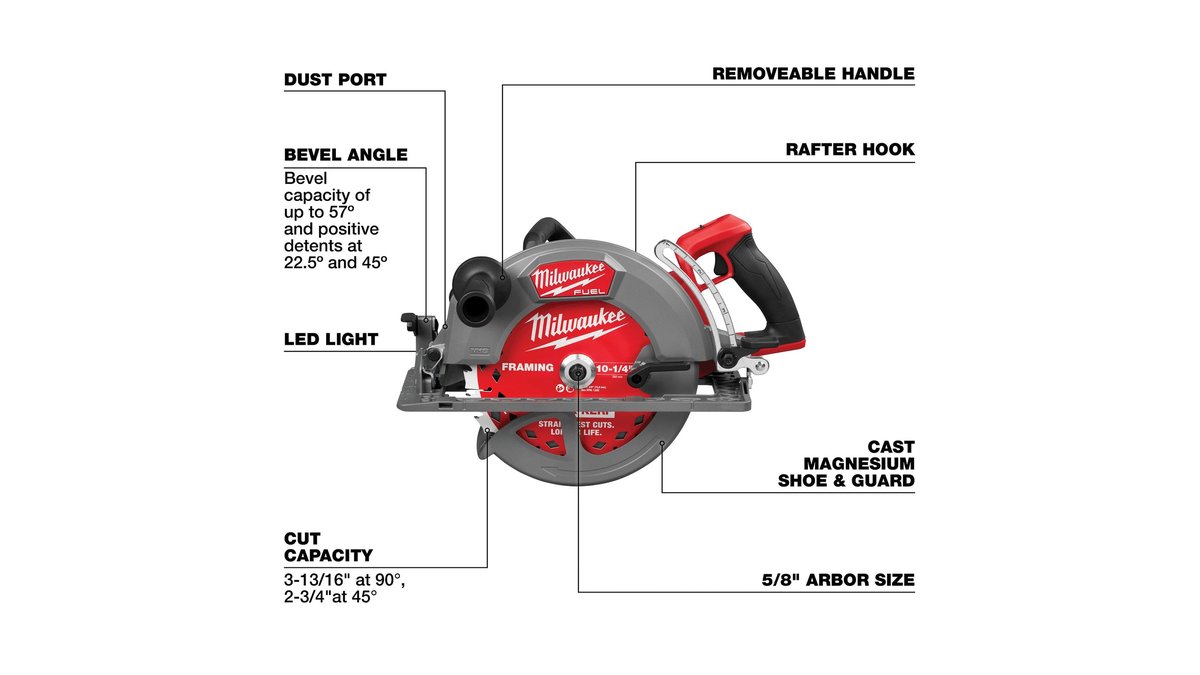
Circular Saw Cutting Depth: 90-Degree and Bevel Capacity Guide
A circular saw’s maximum cutting depth at 90 degrees is typically between 2 and 2.5 inches, while its bevel capacity at 45 degrees is usually restricted to about 1.75 inches due to the blade angle. These limits are set by the saw’s physical housing and the diameter of the blade installed, which you’ll need to verify against your specific model’s manual before starting any project.
How to Determine Circular Saw Cutting Depth and Bevel Capacity

You can easily find the exact limits of your tool by checking the markings on the depth adjustment lever and the bevel scale. Most saws feature a clear gauge on the side of the blade guard that shows how deep the blade extends below the shoe at different angles. To get an accurate measurement, follow these simple steps to ensure your cuts are precise and safe.
- Disconnect the power source: Always unplug the cord or remove the battery before you handle the blade to prevent accidental startup.
- Set the bevel to zero: Loosen the bevel adjustment knob and lock the base plate at a perfect 90-degree angle to the blade.
- Extend the blade fully: Loosen the depth lever and push the saw base down until the blade reaches its lowest point.
- Measure from the shoe: Use a ruler to measure the distance from the bottom of the base plate to the deepest tip of the blade tooth.
- Adjust for bevel angles: Tilt the base plate to your desired angle, such as 45 degrees, and measure the distance again to see the reduced clearance.
Tip: Always account for the thickness of your material plus an extra 1/8 inch to ensure the blade clears the bottom surface completely, which prevents splintering and binds.
Comparison of Cutting Depths by Blade Size
The size of the blade is the primary factor that dictates how deep you can cut. While most standard DIY projects require a 7.25-inch blade, smaller cordless models often use 6.5-inch blades, which naturally limits your reach. Always consult the Consumer Product Safety Commission guidelines regarding tool maintenance to ensure your blade guards operate correctly at these maximum depths.
| Blade Diameter | Depth at 90 Degrees | Depth at 45 Degrees |
|---|---|---|
| 6.5 inches | 2.125 inches | 1.625 inches |
| 7.25 inches | 2.50 inches | 1.875 inches |
| 8.25 inches | 2.875 inches | 2.25 inches |
Common Mistakes When Setting Depth
Many users make the mistake of setting the blade too deep, which increases the risk of kickback and creates unnecessary friction. When the blade protrudes too far through the wood, it strikes the table or the surface underneath, causing the saw to jump or buck toward the operator.
Another common error is failing to account for the bevel angle, which effectively “steals” depth from the blade because it’s tilted sideways. If you find your saw struggling or burning the wood, your blade is likely set too deep or is dull, forcing the motor to work harder than it should.
Is It Safe to Change Blade Sizes?
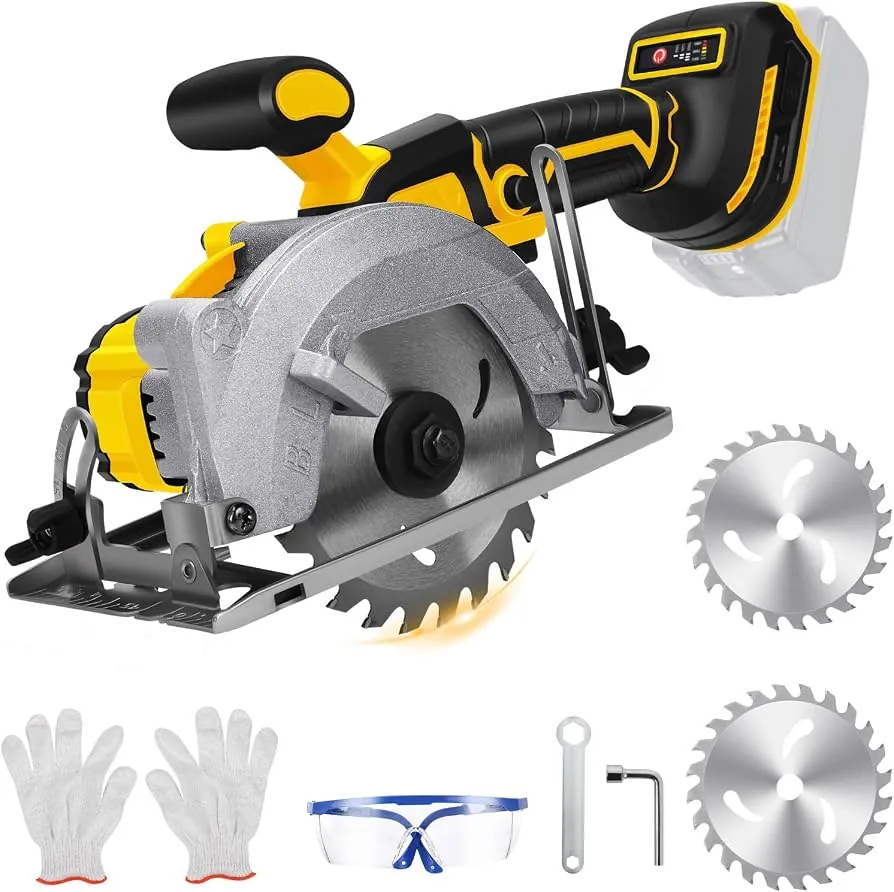
You should never install a blade size that differs from the manufacturer’s recommended diameter for your specific tool. Using a larger blade than the saw was designed for can cause the blade guard to jam or fail to retract, leaving the sharp teeth exposed during operation.
Conversely, a smaller blade will reduce your maximum depth significantly and may not reach the material at all if the base plate is set for a standard cut. Always stick to the diameter listed on the saw’s nameplate to keep the safety mechanisms functioning exactly as intended.
If you’re tempted to swap sizes to save time, remember that the motor’s torque is calibrated to a specific rotational mass. Overloading the motor with a larger blade causes premature burnout, often costing more in repairs than the tool itself. If the blade arbor fits but the diameter exceeds the guard capacity by even a quarter-inch, don’t proceed.
Related guides
- 8 Best Circular Saws for Cutting Plywood and Sheet Goods
- Best Saw for Cutting Small Pieces of Wood: Top Precision Hand Saws Reviewed
Frequently Asked Questions
Can I cut thicker material by making two passes?
Yes, you can cut thicker material by making two passes, but you must flip the board over to finish the cut from the opposite side. Be aware that aligning the two cuts perfectly is difficult, and any slight mismatch will leave a visible ridge on the edge of your lumber.
Does the blade type affect the cutting depth?
No, the blade type doesn’t change the physical cutting depth of the saw, though it does change the quality of the finish. A blade with more teeth provides a smoother cut, while a blade with fewer, larger teeth removes material faster, but the depth remains governed by the saw’s base plate and housing.
Why does my saw stop cutting before reaching the material?
Your saw may stop cutting if the depth adjustment lever is loose or if debris has built up inside the depth-adjustment track. Check that the locking lever is fully tightened and clear away any sawdust or wood chips that might be preventing the base plate from moving to its full travel position.
Conclusion
Before you start your next cut, take a moment to verify that your depth setting is locked securely and that your blade is sharp enough for the task. Checking these two things before you pull the trigger will prevent most common cutting errors and help you maintain a clean, accurate line every time.