Rotary Tool Bits Explained: What Each Bit Does and When to Use It
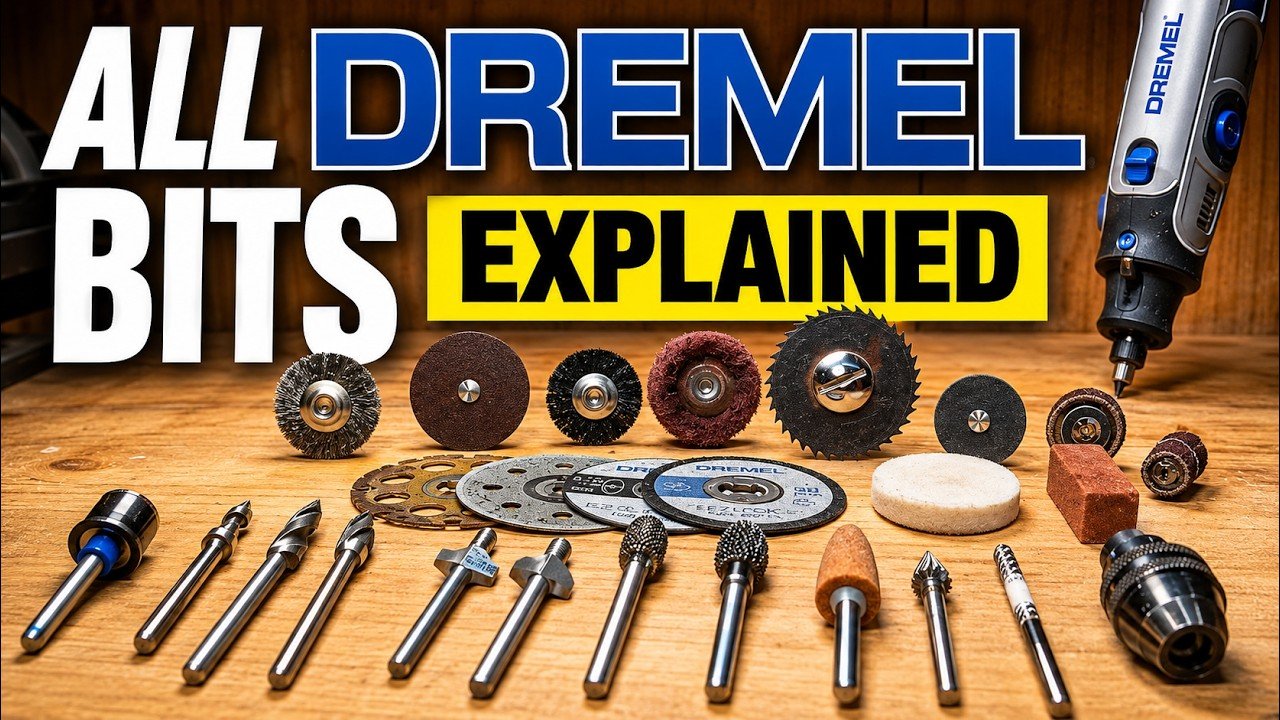
Rotary tool bits are metal or abrasive tips that attach to a motor to cut, grind, sand, or polish materials. Understanding the function of each bit and its appropriate application helps you select the right accessory for your project. This guide covers how to choose the correct tip for your specific material and task.
Understanding Rotary Tool Accessories
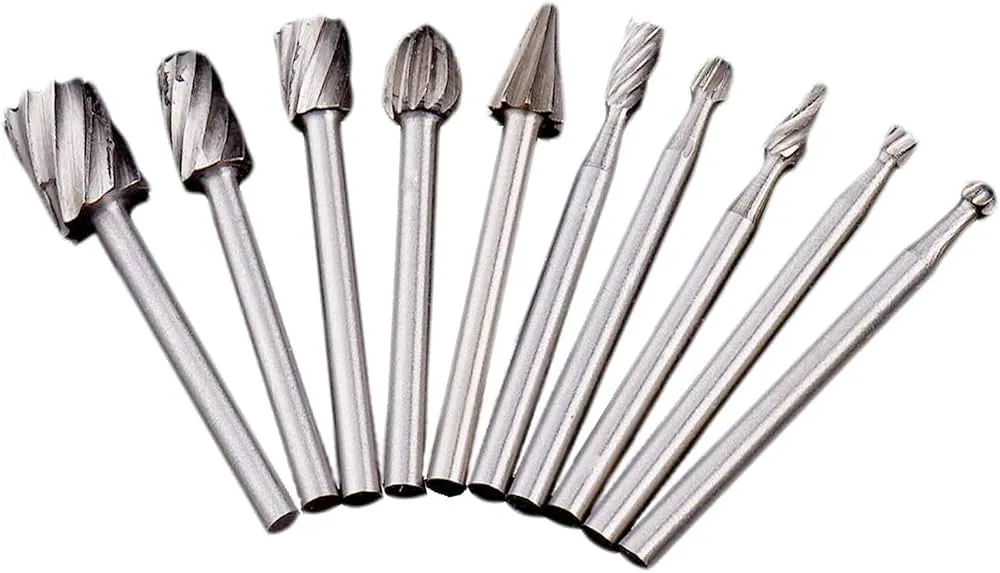
These bits are small, high-speed attachments designed for precise work on wood, metal, glass, and plastic. They fit into the collet of a rotary tool, which spins them at thousands of revolutions per minute. People often think that a single bit can handle all materials, but this is a mistake.
Using a diamond-coated bit on soft wood will clog it instantly, while a sanding drum on metal will wear down in seconds. Always match the material hardness to the bit type to avoid damaging your tool or the workpiece.
Selecting and Changing Bits
- Unplug the tool or remove the battery to prevent accidental starts during the change.
- Press the shaft lock button on the tool body and hold it firmly.
- Loosen the collet nut using the wrench provided with your tool.
- Remove the old bit and insert the new one, ensuring at least half of the shank is inside the collet.
- Tighten the collet nut securely by hand, then give it a final quarter-turn with the wrench.
- Test the bit by running the tool at a low speed to ensure it spins without wobbling.
If you’re working with hard metals, use the appropriate speed for the bit material and apply consistent pressure to prevent the bit from dulling. When in doubt, follow the safety guidelines for power tools provided by the Consumer Product Safety Commission to ensure you operate your equipment without risk of injury.
Rotary Tool Bits Explained and Their Uses
| Situation | What to use | How long | What to watch for |
|---|---|---|---|
| Carving wood | High-speed cutter | Continuous use | Clogging of flutes |
| Grinding metal | Aluminum oxide stone | Until worn down | Blue heat marks |
| Sanding surfaces | Sanding drum | Until grit is smooth | Paper tearing |
| Cutting plastic | Thin cutoff wheel | Until diameter shrinks | Melting plastic edges |
| Polishing jewelry | Felt buffing wheel | Until dirty/worn | Excessive pressure |
Achieving Professional Results
Experienced users always let the tool do the work. They use light pressure, letting the high rotational speed perform the cutting or grinding. Applying too much force causes the tool to bog down, which drains the motor and can snap small bits. If you feel the tool slowing down, you’re pushing too hard or your bit is dull.
Preparation is also vital. Always secure your workpiece with a clamp before starting. If you move the tool too slowly, you risk burning the material, especially with wood. If you move too fast, you’ll lose control and mar the surface. Keep the tool moving in a steady, fluid motion to ensure a consistent finish across the entire project area.
Troubleshooting Common Issues
| What you notice | What it usually means | What to do first |
|---|---|---|
| Burning smell | High friction | Reduce speed or pressure |
| Bit wobbling | Bent shank | Replace the bit |
| Tool vibrating | Loose collet | Tighten the collet nut |
| Bits slipping | Wrong collet size | Check collet compatibility |
Staying Within Tool Limits
Rotary tools are designed for light-duty, high-precision tasks. They aren’t meant to replace heavy-duty angle grinders or saws for large-scale demolition. If your tool has a variable speed dial, use the lower settings for polishing and higher settings for cutting or grinding. Always check your specific tool manual for the maximum RPM rating of your chosen bit; never exceed this, as the bit could shatter under high tension.
Maintenance and Storage
Clean your bits after every use to remove debris, especially resin from wood or plastic melted onto the tip. Use a small wire brush to clear the flutes of cutters and a soft cloth for abrasive bits.
Store them in a dry, organized case to prevent the cutting edges from dulling against each other. If a bit shows signs of rust or chipped metal, discard it immediately. Never attempt to sharpen high-speed steel or carbide bits yourself, as this requires precision equipment that most people don’t have access to.
When to Use Alternative Tools

This tool isn’t the right choice for heavy material removal. If you need to cut through thick steel beams or remove large amounts of concrete, use an angle grinder or a reciprocating saw instead. Trying to force a small rotary tool to do heavy work will burn out the motor in minutes. For fine detail work on very soft materials like foam, a sharp craft knife is often more effective and provides better control than a spinning bit.
Related guides
Frequently asked questions
How long do rotary tool bits last?
They last for several hours of active use, but the lifespan depends entirely on the hardness of the material you’re cutting. Metal will dull a bit much faster than soft woods or plastics.
Can I use my bits on any material?
No, you must match the bit material to the workpiece. Use diamond or silicon carbide for hard materials like glass or tile, and high-speed steel or carbide for wood and metal.
Why is my bit getting very hot?
The bit is likely spinning too fast for the material, or you’re applying too much pressure. Reduce your speed and use a lighter touch to let the bit cut naturally.
Is it safe to use damaged bits?
No, never use a bit that’s bent, rusted, or chipped. A damaged bit can shatter at high speeds, which can throw metal fragments toward your eyes or skin.
How do I know which speed to use?
Start at a low speed for detailed work or soft materials and increase it slowly. If you see smoke or burning, the speed is likely too high for the current bit.
Can I clean and reuse sanding drums?
No, once the abrasive grit is worn smooth or the paper is torn, you must replace the drum. Using a worn-out drum will result in uneven, poor-quality sanding.
Conclusion
Always inspect the shank of your bit before inserting it into the collet. If you see any scratches or deformations, discard that bit, as it won’t sit straight and will cause dangerous vibrations during use.