Why Does a Circular Saw Burn Wood? Causes and Fixes Explained
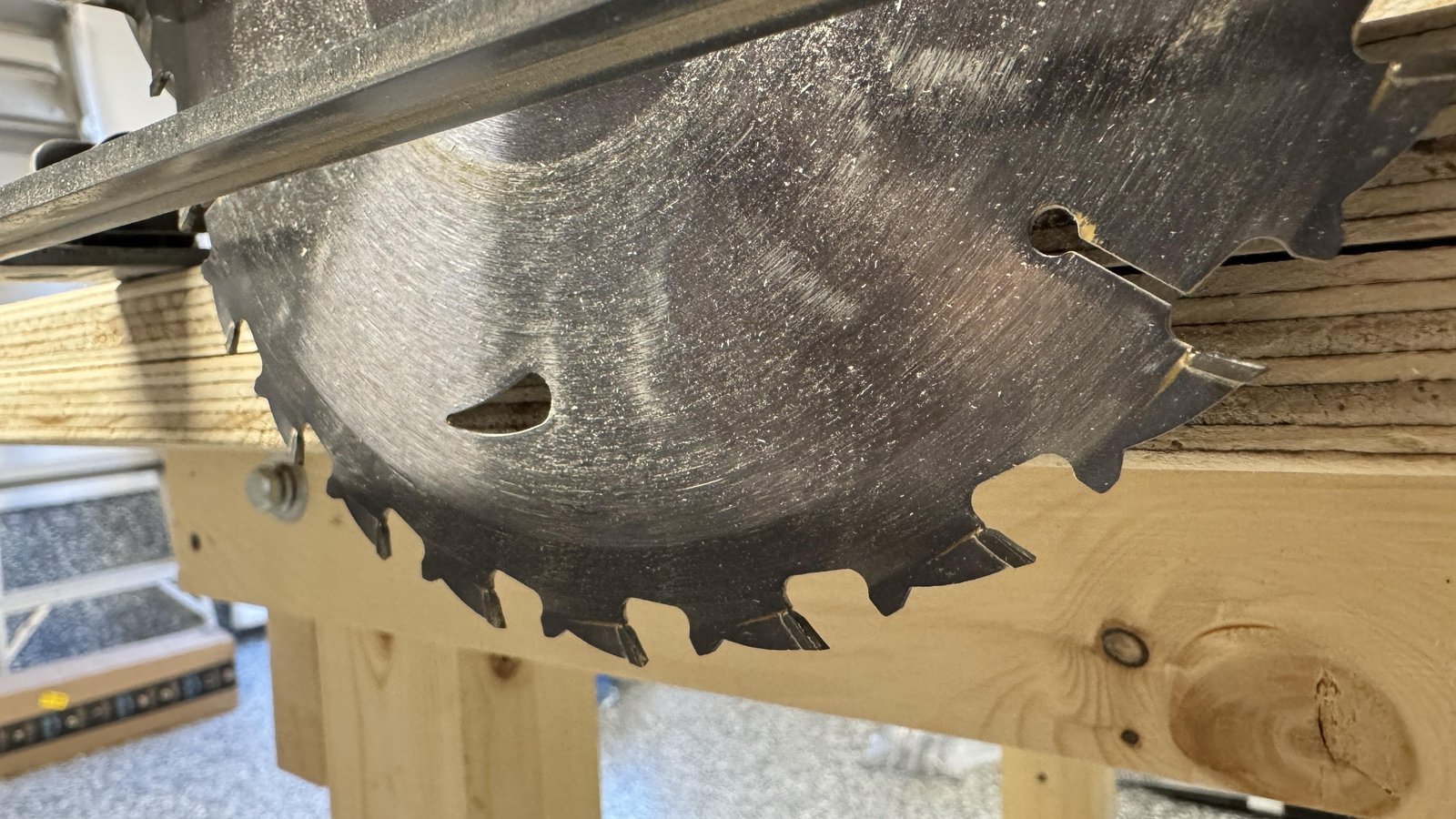
A circular saw creates burn marks on wood because the blade is dull, the feed rate is too slow, or the fence isn’t perfectly parallel to the cut line. These issues cause friction that heats the wood surface until it chars, which you can fix by cleaning the blade, increasing your feed speed, or checking the alignment of your base plate.
What Causes Your Saw to Burn Wood?
When your tool leaves dark, scorched marks on the board, it’s almost always a sign of heat buildup from friction. These are the most common causes, ranked by how often they occur and how easily you can address them:
- Dull Blade Teeth: When the carbide tips lose their edge, they stop cutting cleanly and start rubbing against the wood fibers. Replace the blade or have it professionally sharpened to restore cutting efficiency.
- Slow Feed Rate: If you push the saw too slowly, the teeth spend too much time in one spot. This creates excessive friction that chars the wood rather than removing it.
- Blade Misalignment: If the blade isn’t perfectly parallel to the saw’s fence or guide, it will bind against the wood as you move forward. Adjust your guide so the rear of the blade clears the cut path.
- Resin Buildup: Pitch and sap from softwoods accumulate on the blade, increasing friction and heat. Clean the blade with a dedicated resin remover to ensure smooth operation.
- Wrong Blade Choice: Using a blade with too many teeth for a thick rip cut can clog the gullets with sawdust. Switch to a blade with fewer teeth for faster material removal on thick stock.
| Symptom | Most Likely Cause | What to Do |
|---|---|---|
| Dark, fuzzy char marks | Dull teeth | Replace or sharpen blade |
| Burning on one side only | Misaligned fence/guide | Re-square the base plate |
| Smoke during the cut | Slow feed rate | Increase your forward speed |
| Sticky residue on blade | Resin buildup | Clean with solvent |
| Burning on thick lumber | Incorrect tooth count | Use a rip-cut specific blade |
How to Safely Check Your Setup
Before you assume the saw itself is broken, perform these simple checks to ensure your setup isn’t causing the friction. Always disconnect the power cord before touching the blade to prevent accidental starts.
- Check the Base Plate: Ensure the base plate is tightened and sits flat against your workpiece. A loose or wobbling base plate causes the blade to twist inside the cut, which immediately creates heat.
- Verify Blade Depth: Set your blade depth so the teeth just clear the bottom of the material. If the blade extends too far, it cuts at a poor angle and increases drag.
- Clear the Work Area: Ensure your wood is supported on both sides of the cut. If the wood sags as you cut, it will pinch the blade, creating significant friction and potential kickback.
- Inspect the Guide: If you use a rip fence, double-check that it’s parallel to the blade. You can measure the distance from the front of the blade to the fence and compare it to the distance from the back of the blade to the fence.
Tip: If the blade is hot to the touch immediately after a cut, it’s a clear sign that friction is the problem. Stop and let the tool cool down before you make another pass.
When to Seek Professional Help
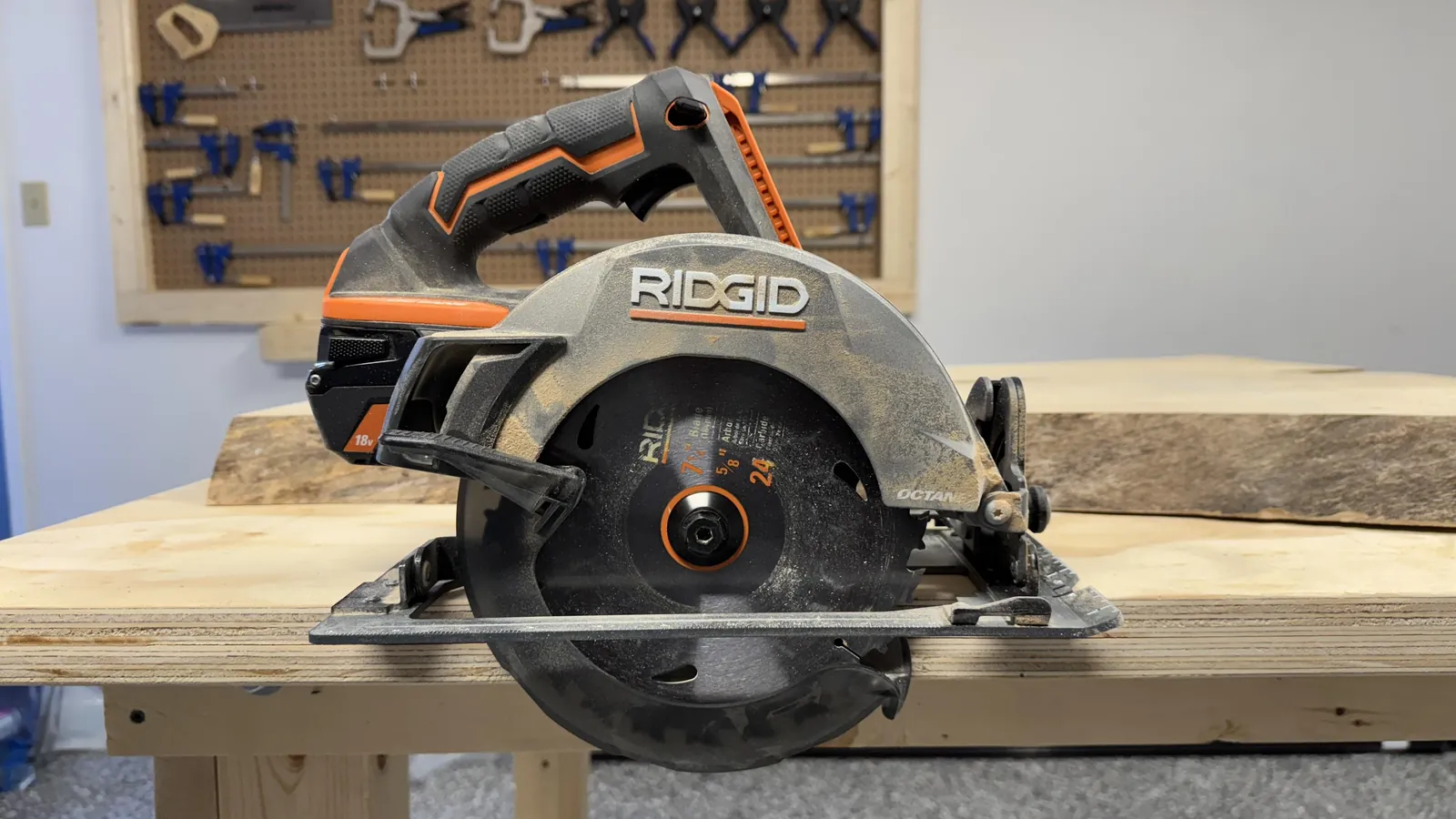
Most burning issues are solved by simple maintenance, but some signs indicate the tool itself needs attention. If you notice the motor smells like burning plastic or the blade wobbles while spinning, don’t continue to use it. These symptoms suggest internal motor failure or a damaged arbor.
If the saw vibrates excessively or the blade doesn’t spin true even with a new, sharp blade, the arbor or bearings might be worn. If the repair quote exceeds 50 percent of the cost of a comparable new model, opt for a replacement. Most professional shops charge a flat diagnostic fee that you forfeit if you choose not to proceed with the work.
Many users mistakenly attempt to force a misaligned blade back into position by tightening the arbor nut beyond manufacturer specifications. This common error frequently cracks the housing, turning a simple bearing repair into a total loss. When in doubt, prioritize your safety over the cost of the tool.
Related guides
Frequently Asked Questions
Does the wood type affect whether it burns?
Yes, harder woods like oak or maple are more prone to burning because they’re denser and generate more friction. You may need to move the saw through these woods slightly faster than you would through soft pine or plywood.
Can a cheap blade cause burning?
Yes, lower-quality blades often have thinner steel that flexes under pressure. This flex causes the side of the blade to rub against the wood, which creates heat and burning regardless of your feed speed.
Is it safe to sand away burn marks?
Minor surface scorching is easily removed with medium-grit sandpaper. If the burn is deep into the wood, sanding will change the dimension of your board, so it’s better to prevent the burn during the cut.
Conclusion
Taking a moment to inspect your equipment before you start will save you from extra sanding later on. Once your blade is sharp and properly aligned, you’ll find that your projects come together much smoother. Don’t hesitate to test your settings on a scrap piece of wood to ensure everything’s perfect.