How to Use an Angle Grinder: A Beginner’s Guide
Choosing the correct disc for your material and maintaining a firm, two-handed grip while letting the tool’s speed do the work is the best way to use an angle grinder. It’s a versatile power tool used for cutting, grinding, and polishing metal or stone. This guide covers the essential safety habits and operating techniques required to handle the tool with confidence.
Getting to know your angle grinder
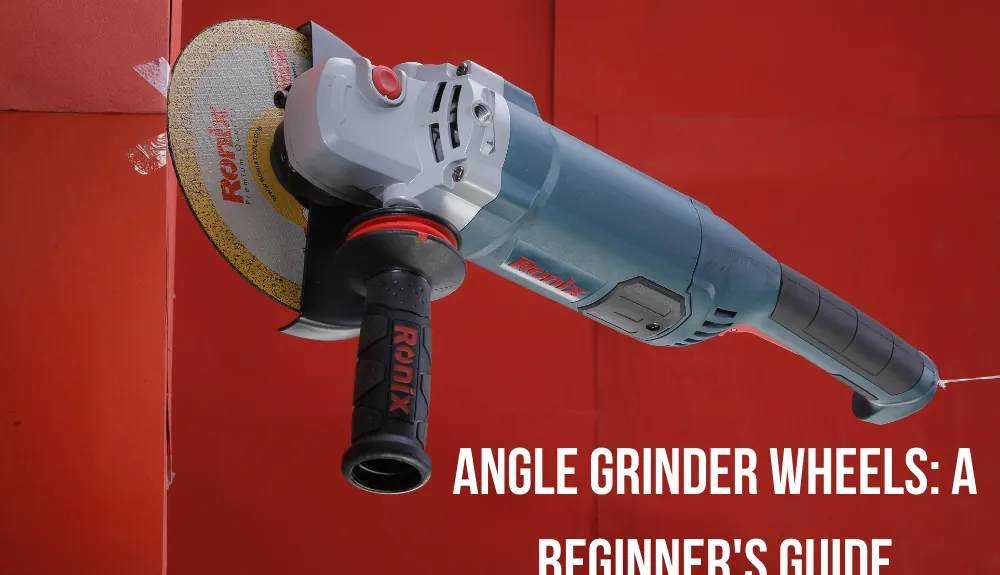
An angle grinder is a handheld device that spins a disc at high speeds to remove material or slice through objects. It’s used for tasks like smoothing rough welds, cutting steel pipes, or removing rust from old metal. Many people think they should press down hard to cut faster, but this actually causes the motor to overheat and the disc to shatter.
If the tool starts to vibrate or smoke, stop immediately and check if the disc is loose or the wrong type for your material. You should always consult the Occupational Safety and Health Administration guidelines to ensure you’re using the correct guards and protective equipment for your specific model.
Steps for Safe Operation
- Put on your safety glasses, hearing protection, and thick work gloves before you plug in the tool.
- Unplug the grinder and use the included pin wrench to lock the spindle and tighten your chosen disc.
- Attach the side handle to the side that feels most natural for your grip, ensuring you always use both hands.
- Plug the tool in and hold it away from your body, then flip the switch to let it reach full speed.
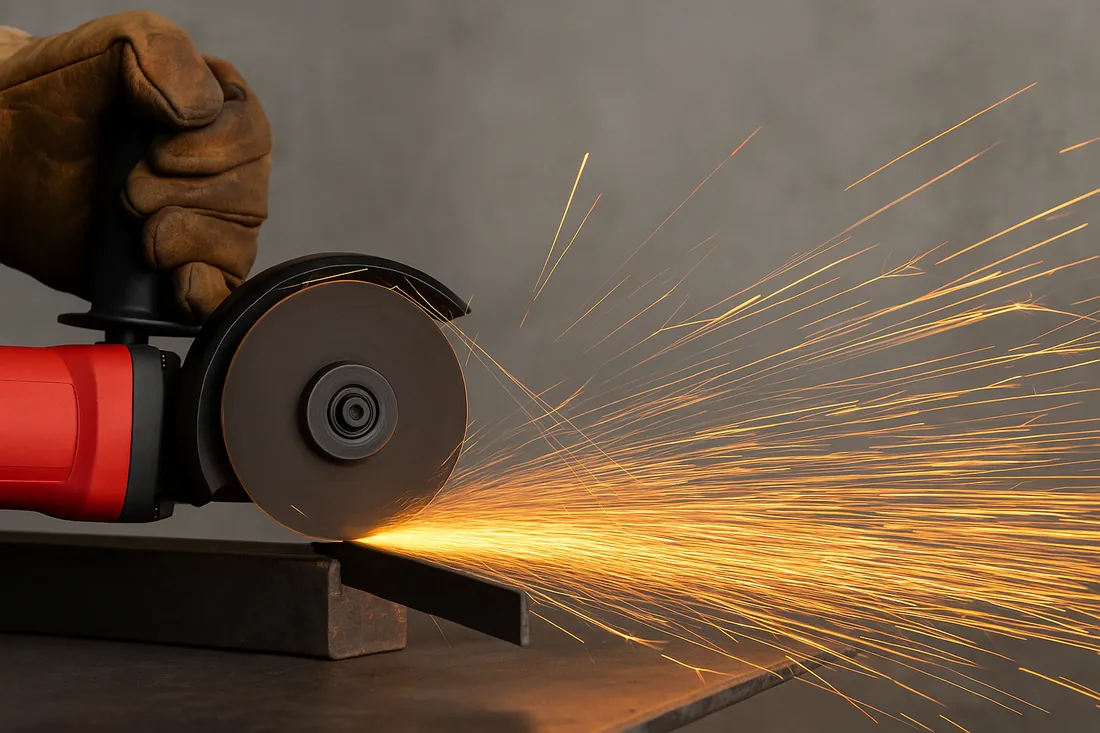
- Touch the disc to your material gently, keeping the grinder at a 15- to 30-degree angle for grinding or 90 degrees for cutting.
- Move the tool in a steady, controlled motion, allowing the speed of the disc to cut rather than forcing it into the metal.
- Switch the tool off and wait for the disc to stop spinning completely before you set it down on your workbench.
If you’re cutting thick metal, make shallow passes rather than trying to cut through in one go; if you’re grinding, keep the tool moving to prevent hot spots.
Essential Settings and Usage
| Situation | What to use | How long | What to watch for |
|---|---|---|---|
| Cutting steel | Thin cut-off wheel | Short, shallow passes | Discoloration or heat |
| Removing rust | Wire cup brush | Constant movement | Flying wire bristles |
| Smoothing welds | Grinding disc | Steady, light pressure | Excessive vibration |
| Polishing metal | Flap disc | Slow, even strokes | Burning the surface |
| Stone work | Diamond blade | Coolant-fed cuts | Dust buildup |
Always check the maximum RPM rating on your disc to ensure it matches or exceeds the top speed of your grinder. Never use a disc that’s chipped, cracked, or worn down to a small diameter.
Achieving Professional Results
Experienced operators prepare their workspace by clamping the workpiece securely to a heavy table. They never hold the item with one hand while grinding with the other, as the torque can easily pull the tool out of your control. By keeping the workpiece clamped, you ensure that your hands stay well away from the spinning disc and the resulting sparks.
They also pay close attention to the direction of the sparks. Experienced users always angle the grinder so that debris is thrown away from their body and away from flammable objects in the shop. If you find the tool jumping, you’re likely applying too much pressure. Relax your grip slightly and let the disc RPM do the work, which keeps the tool stable and prevents the disc from binding in the cut.
Troubleshooting Common Issues
| What you notice | What it usually means | What to do first |
|---|---|---|
| Tool kicks back | Disc is binding | Stop and pull back |
| Sparks are excessive | Wrong disc type | Check label on disc |
| Motor gets hot | Pushing too hard | Let it spin freely |
| Guard is loose | Vibration | Tighten the bolt |
| Disc won’t spin | Spindle lock stuck | Disconnect power first |
If the tool makes a grinding noise or smells like burning plastic, you must stop immediately. Unplug it and inspect the vents for dust blockage or internal mechanical failure before you attempt to use it again.
Legal and Safety Requirements
Safety regulations vary by region, but most national health bodies require the use of a protective guard at all times. This guard prevents broken disc fragments from hitting you if the wheel fails under pressure. If you’re working in a professional setting, ensure your equipment meets the standards set by your local workplace safety authority.
Never remove the guard to reach tight spots, as this exposes you to high-speed debris. If a task requires a smaller tool to reach a corner, switch to a die grinder rather than modifying your angle grinder.
Tool Maintenance and Care
After you finish your work, unplug the tool and use compressed air to blow dust out of the cooling vents.
Keep the discs in a cool, dry place to prevent moisture from compromising the binding material. If you notice the power cord is frayed or the switch feels sticky, don’t use the tool until a qualified technician repairs it. Ignoring a sticky switch often leads to internal arcing, which can permanently weld the contacts shut.
You should replace a disc when it’s worn, damaged, or reaches the manufacturer’s specified minimum diameter. Worn discs are significantly more likely to shatter under load. If the tool vibrates excessively while spinning, discard the disc immediately rather than attempting to true it.
When to Change Your Approach
If you’re working on very delicate surfaces like thin sheet metal, an angle grinder is often too aggressive and will warp the material. In this case, use a file or a specialized sander for a cleaner finish.
For very long, straight cuts, an angle grinder can be difficult to keep steady; a metal chop saw or a bandsaw provides a much straighter line with less effort. If you need to cut wood, don’t use an angle grinder at all, as the high speed can cause the disc to grab and kick back with dangerous force.
Related guides
- How to Use a Miter Saw Safely: Essential Beginner Guide
- Nail Gun Safety Tips for Beginners: Your Complete Guide
- How Does a Nail Gun Work? Complete Beginner’s Guide 2025
Frequently Asked Questions
Can I use my angle grinder to cut wood?
No, you should never use an angle grinder to cut wood because the high speed and lack of proper blade control create a high risk of kickback. Use a circular saw or a jigsaw instead for safe, clean wood cuts.
How do I know which disc to pick?
You must match the disc to the material and the task, such as choosing a thin wheel for cutting or a thick grinding disc for metal removal. Check the label on the disc to ensure it matches your grinder’s speed.
Is it safe to use the grinder without the guard?
No, it isn’t safe to operate the tool without the guard, as it protects you from flying sparks and broken disc pieces. Always keep the guard between the disc and your body while you’re working.
Why does my grinder vibrate so much?
It usually vibrates because the disc isn’t centered properly or the wheel is damaged. Stop the tool, unplug it, and check that the mounting nut is tight and the disc isn’t cracked or worn unevenly.
How long does a grinding disc last?
It depends on the hardness of the material you’re working on and how much pressure you apply. You should replace the disc once it has worn down to a small diameter or if you see visible cracks.
Conclusion
Always remember that the most important part of using a power tool is keeping your focus on the task. If you feel tired or distracted, set the tool down and take a break.