Plunge Router Dust Collection: Ports, Hoses, and Shop Setup
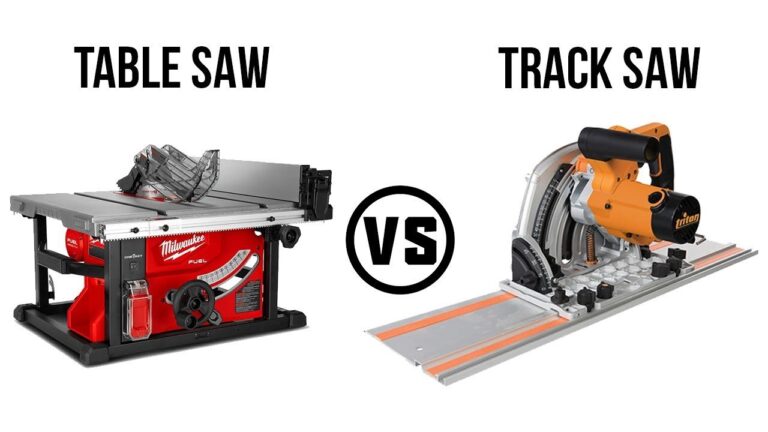
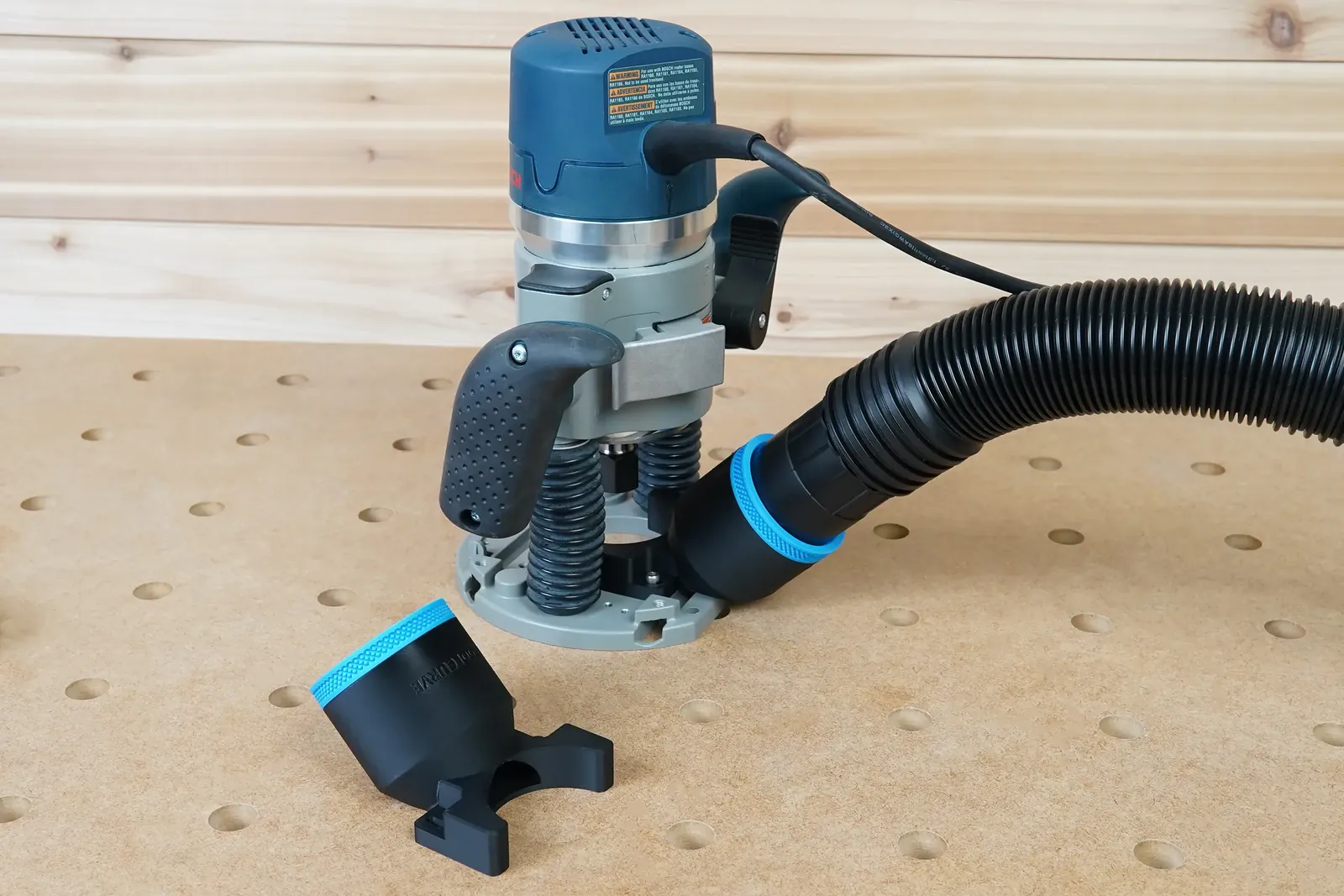
Achieving clean air in a small workshop is a significant challenge, especially when dealing with the fine, airborne particulate matter generated by high-speed milling operations. If you’re looking to improve your plunge router dust collection: ports, hoses, and shop setup, you must account for the unique geometry of the tool. Unlike a table saw, which has a static blade, a router moves in three dimensions, making the capture of chips and ultrafine dust a complex mechanical puzzle that requires specific airflow management to protect your respiratory health.
Key Takeaways
- Effective dust extraction requires a minimum airflow velocity of 4,000 feet per minute at the cutter head.
- Adapter fittings often restrict airflow; ensure your hose diameter matches the tool port to maintain static pressure.
- Rigid, smooth-walled hoses reduce friction loss compared to corrugated flexible tubing, improving overall system efficiency.
- Dedicated dust shrouds are essential because standard ports often fail to capture debris thrown during lateral passes.
- Always use a high-efficiency particulate air (HEPA) rated filter on your vacuum to prevent recirculating the smallest, most dangerous dust particles.
Why Is Dust Collection So Difficult?
The primary issue with routing is the high RPM of the bit, which creates a centrifugal force that flings chips at high velocity away from the center of the tool. Most routers feature a small extraction port near the base, but these are frequently obstructed by the workpiece or the plunge mechanism itself.
To achieve a functional dust management system, you must balance the vacuum power with the physical limitations of the shroud design. Wood dust is classified as a human carcinogen by the International Agency for Research on Cancer, which makes the setup of your extraction gear a matter of safety rather than just shop cleanliness.
Selecting The Right Vacuum Hoses
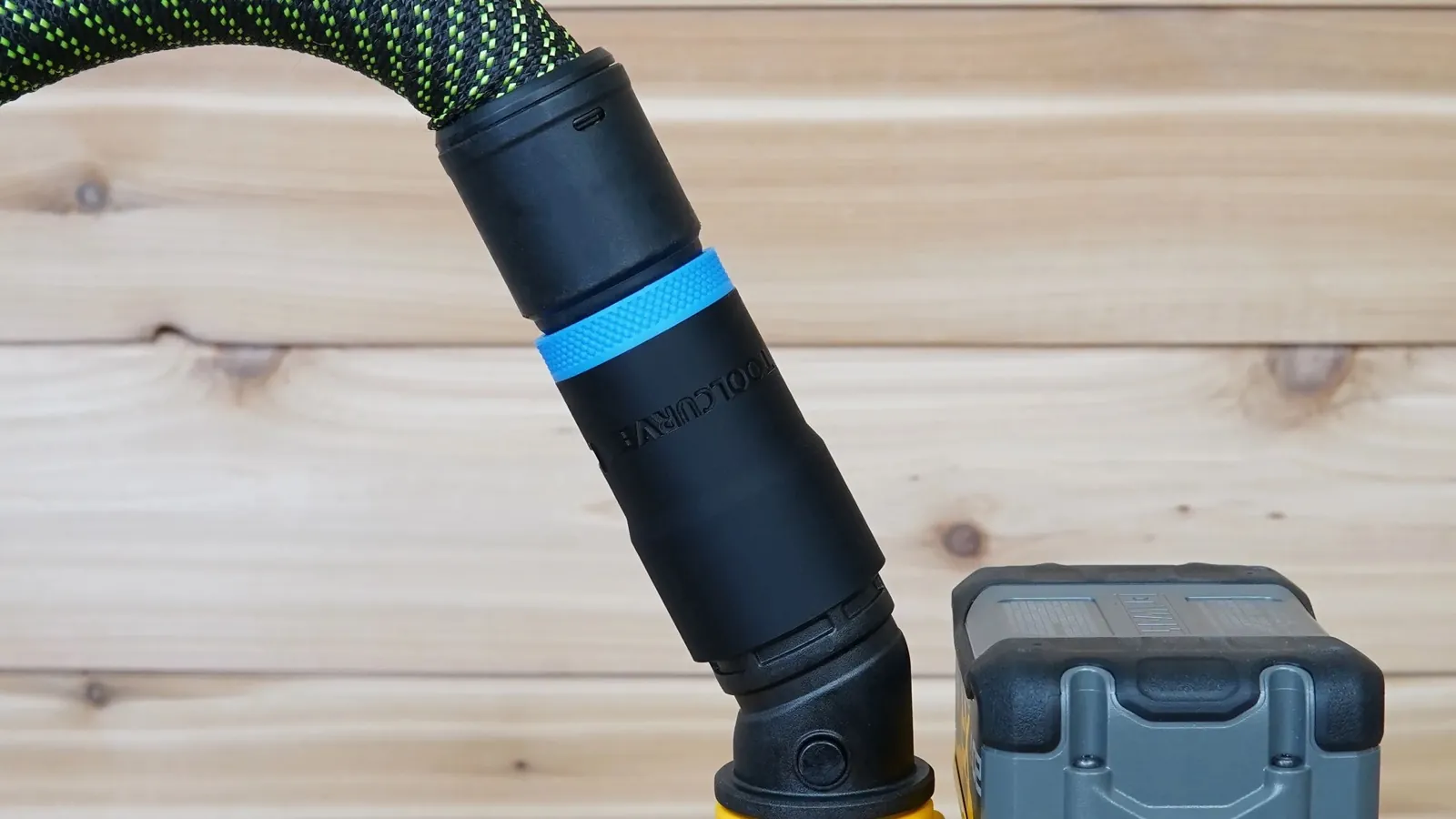
The hose is the bridge between your tool and the collector. If the hose is too long or has too many bends, the pressure drop will render even a powerful vacuum ineffective. For plunge routers, flexibility is paramount, but it shouldn’t come at the expense of internal smoothness.
| Hose Type | Flexibility | Airflow Efficiency | Best Use Case |
|---|---|---|---|
| Corrugated Plastic | High | Low | Temporary, light-duty tasks |
| Smooth-Bored PVC | Medium | High | Permanent shop stations |
| Reinforced Rubber | Low | Medium | Heavy-duty stationary setups |
| Antistatic Flex | High | Medium | Preventing electric shock buildup |
Which Ports And Adapters Work?
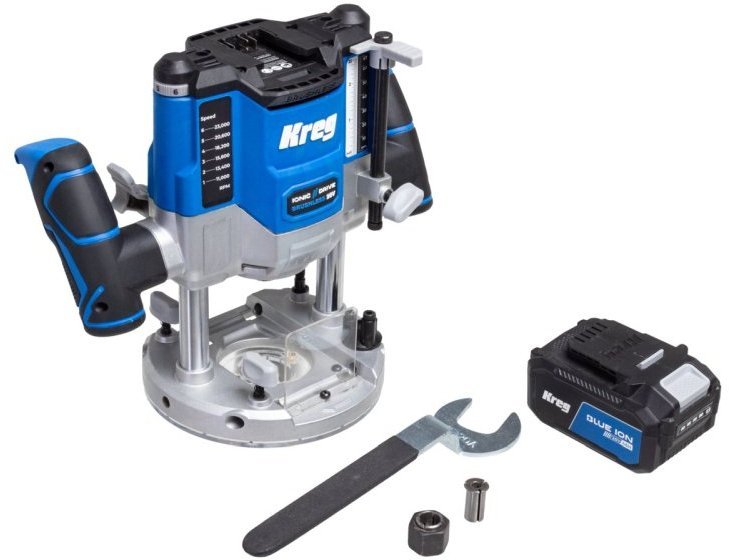
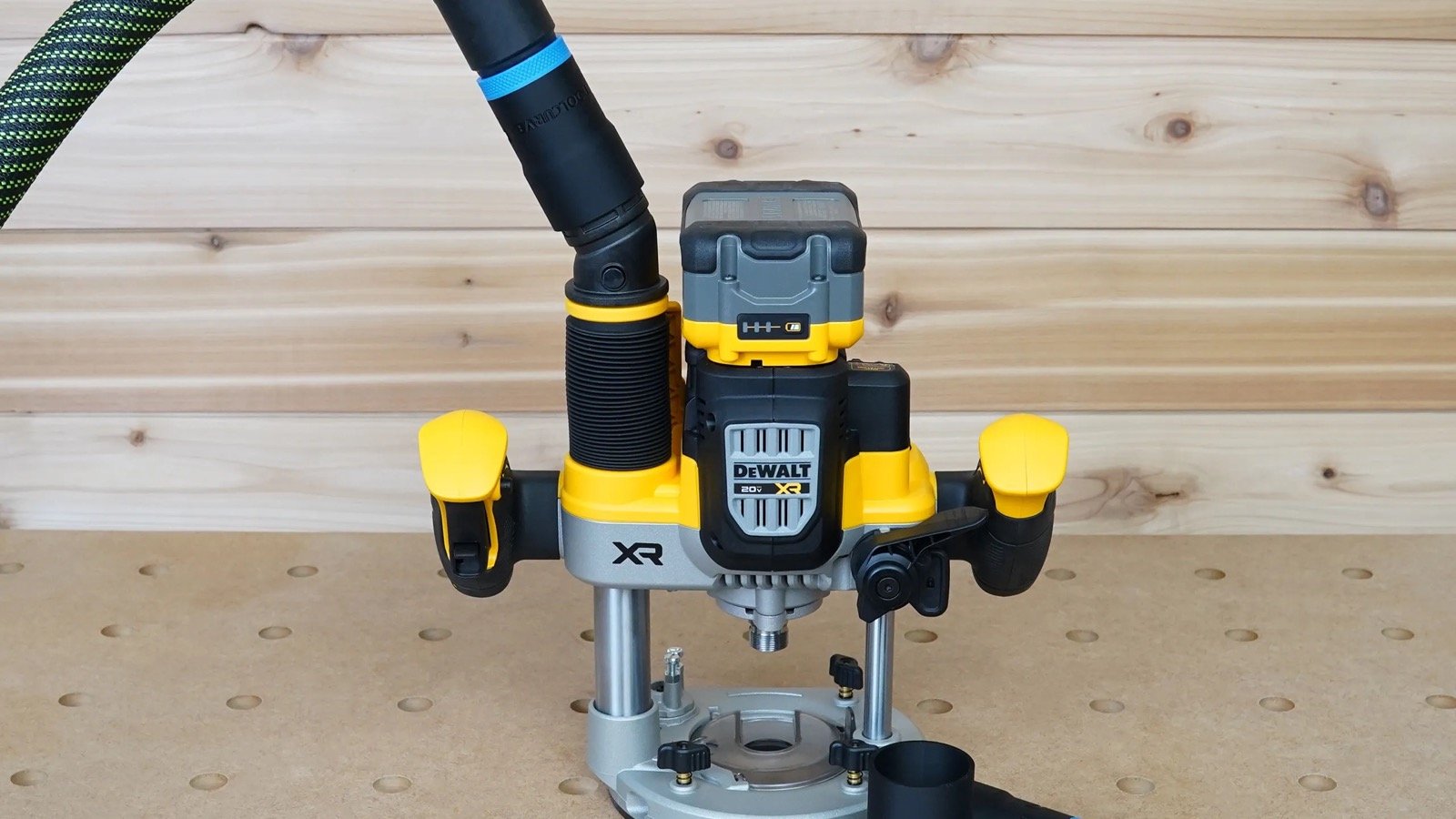
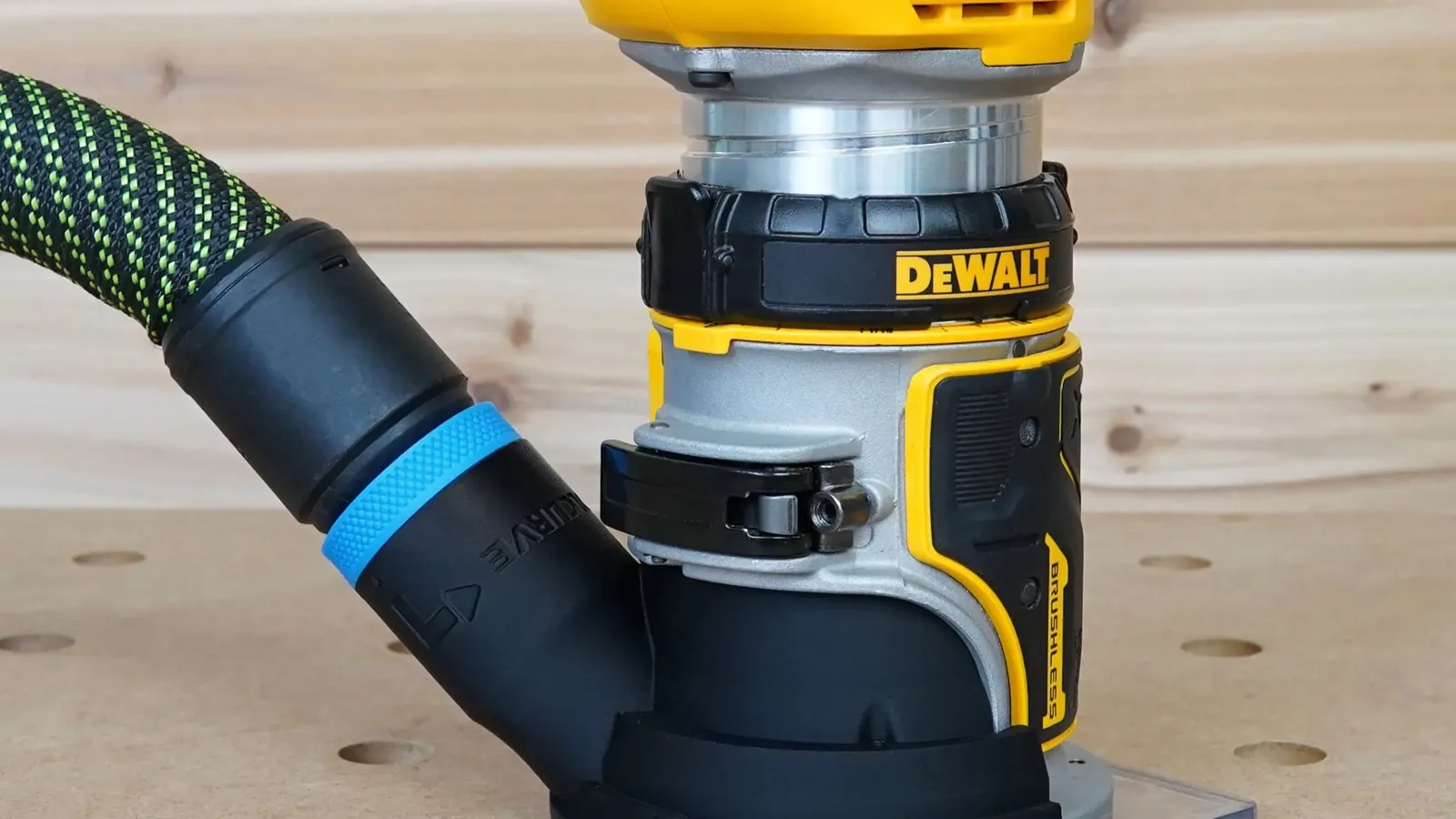
Most plunge routers come with a proprietary plastic port that snaps onto the base. These ports are often the weakest link in your extraction chain. If the port diameter is too small, it acts as a bottleneck, causing the vacuum to work harder while pulling less air.
You should look for aftermarket universal adapters that offer a wider opening. When selecting a port, ensure the seal is airtight; any air leaking around the perimeter of the connection significantly reduces the suction velocity at the bit.
How To Build A Shroud
If your router doesn’t have an integrated shroud, or if the factory version is ineffective, you can build a custom solution. A shroud should surround the bit as closely as possible without touching the collet. Use clear acrylic or polycarbonate sheets to maintain visibility.
By creating an enclosure that forces air to flow across the bit and into the hose, you significantly increase the capture rate of fine particles. Ensure the shroud is easily removable for quick bit changes, or you’ll eventually stop using it.
Setting Up Plunge Router Dust Collection and Hoses
Your shop setup is the backbone of your dust strategy. A centralized system is ideal, but for routers, a mobile vacuum unit is often more practical. Position your vacuum as close to the router as possible to minimize the length of the hose. If you’re running multiple tools, consider a cyclone separator to prevent your vacuum filter from clogging prematurely. This keeps the suction consistent throughout the duration of your milling project.
Managing The Hose Drag Problem
One of the most frustrating aspects of using a plunge router is the hose dragging across your workpiece, which can mar the surface or cause you to lose control of the cut. To mitigate this, use a boom arm or a simple bungee cord suspended from the ceiling to hold the hose above the work area. This creates a gravity-assisted suspension that keeps the hose out of your way while allowing for a full range of motion.
Troubleshooting Common Extraction Issues
When your dust collection performance drops, systematically check each component of the system. Start by inspecting the hose for internal blockages, which are common when routing large profiles. Next, examine the filter inside the vacuum; a layer of fine dust can block airflow even if the bag appears empty.
| Symptom | Probable Cause | Corrective Action |
|---|---|---|
| Low suction at bit | Clogged filter | Clean or replace HEPA filter |
| Chips left on table | Poor shroud seal | Add foam gasket material |
| Hose collapses | Thin-walled tubing | Upgrade to wire-reinforced hose |
| Static shocks | Lack of grounding | Use antistatic hose and ground wire |
Can You Use A Shop Vac?
Many woodworkers start with a standard shop vacuum. While these units provide high static pressure, they often lack the cubic feet per minute (CFM) required for large-scale dust removal. A shop vacuum is perfectly adequate for a router, provided the hose diameter is matched to the tool port. Avoid using extremely long hoses, as the friction loss in a 1-1/2 inch hose is significantly higher than in a 2-1/2 inch or 4-inch system.
Maintenance Of The Extraction System
Maintenance is the difference between a clean shop and a dusty one. Regularly inspect the rubber gaskets on your dust ports for signs of wear. A cracked gasket can lead to an air leak that ruins your suction efficiency. Additionally, clean the interior of your hoses every few months to prevent the buildup of resin and wood dust, which can restrict the diameter over time.
Safety Gear And Air Quality
Even with the best dust collection, you should always wear personal protective equipment. A high-quality respirator rated for fine wood dust is essential for your long-term health. Think of the dust collection system as the first line of defense and the respirator as the final safety barrier. Never rely on the vacuum alone when working with toxic hardwoods or MDF, as these materials release dangerous chemicals during the milling process.
Related guides
- Cordless vs. Corded Plunge Routers: Which Makes More Sense?
- 10 Best Plunge Routers for Woodworking: Top Picks for Every Shop
- Plunge Router vs Fixed-Base Router: Which One to Choose
Frequently Asked Questions
Is a 2-1/2 inch hose enough for a router?
Yes, a 2-1/2 inch hose is generally the optimal size for a router. It provides a good balance between suction pressure and the ability to capture larger wood chips without clogging. Anything smaller than 1-1/4 inches will likely struggle with the volume of debris produced by a router, while anything larger than 2-1/2 inches can be too cumbersome and rigid for freehand routing tasks.
Should I use a cyclone separator?
A cyclone separator is highly recommended for any router setup. It prevents heavy chips and dust from reaching your vacuum filter, which keeps your airflow consistent. Without a cyclone, the filter in your shop vacuum will clog almost immediately, causing suction to drop and forcing you to stop work to clean the filter, which is a significant inconvenience during a long project.
How do I stop static electricity buildup?
Static buildup is common in dry shop environments with plastic hoses. To mitigate this, you can wrap a bare copper wire around the outside of your hose and connect it to a grounded metal surface. Alternatively, you can purchase specialized antistatic hoses. These hoses are engineered with conductive materials that dissipate the charge safely, preventing those painful sparks while you move the router across the wood.
Does the vacuum power rating matter?
The vacuum power, often measured in horsepower or amps, is less important than the airflow rating in CFM and static pressure ratings. A high-power motor is useless if the intake port is restrictive or the hose is too small. Focus on finding a vacuum that offers high static pressure, as this is what allows the system to pull air through the narrow channels of a router’s dust port.
How often should I change my filters?
You should inspect your vacuum filter every time you empty the canister. If the filter is coated in a fine layer of dust that doesn’t fall off with a gentle tap, it’s time to clean or replace it. For high-efficiency HEPA filters, following the manufacturer’s cleaning instructions is vital to avoid damaging the pleated media, which would compromise the system’s ability to trap fine particles.
Conclusion
To take your next step, assess your current router’s exhaust port diameter and purchase a dedicated, smooth-bore hose that fits that specific size without requiring multiple restrictive adapters. Once your connection is seamless and airtight, mount a simple overhead support for the hose to ensure your movement remains fluid and your workpiece stays clean during your very next routing session.