How to Polish Metal with a Rotary Tool: Buffing Wheels and Compounds
Polishing metal with a rotary tool involves utilizing high-speed rotation to drive abrasive buffs and specialized compounds, effectively removing surface oxidation, scratches, and dullness to achieve a mirror-like finish. This process transforms weathered or raw metal surfaces into professional-grade components through a systematic progression of grit levels and material density. Whether you’re restoring antique hardware or finishing custom fabricated parts, mastering this technique requires understanding how to match your buffing wheel to the specific metal hardness and the corresponding polishing compound.
Key Takeaways
- Always start with the coarsest compound and work toward the finest grade for a scratch-free finish.
- Keep the rotary tool moving constantly to prevent heat buildup and localized “dishing” of the metal surface.
- Use separate buffing wheels for each compound type to avoid cross-contamination of abrasive particles.
- Wear ANSI-rated eye protection and a dust mask, as rotary polishing generates significant airborne debris.
- Light pressure is more effective than heavy force; let the rotation speed do the actual work.
Understanding Buffing Wheels and Compounds
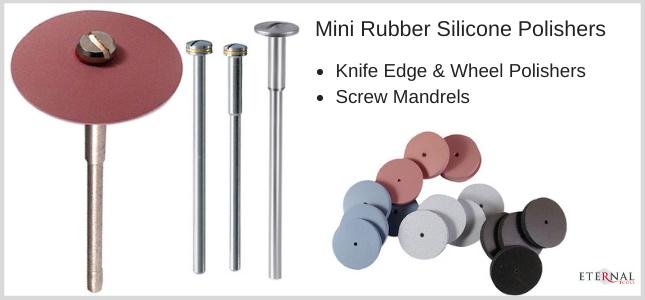
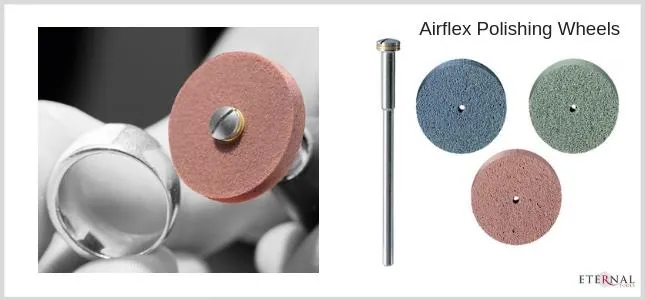
The success of your metal polishing project depends on pairing the correct buffing wheel material with the appropriate polishing compound. Buffing wheels function as the carrier for the compound, while the compound itself provides the microscopic abrasive action necessary to refine the surface.
| Wheel Material | Typical Use Case | Ideal Metal Type |
|---|---|---|
| Felt Bobs | Detail work, tight corners | Hard steel, brass |
| Sewn Cotton | Initial heavy cutting | Aluminum, copper |
| Loose Cotton | Final high-luster buffing | Stainless steel, chrome |
| Flannel | Super fine finishing | Precious metals, gold |
How Polishing Compounds Work
Compounds are essentially grease-based binders filled with specific abrasive grains. The color of the compound usually indicates its purpose: brown (Tripoli) is for cutting soft metals, while white or blue is for final high-gloss finishing on harder surfaces.
Selecting the Right Rotary Tool
A standard rotary tool, such as those manufactured by Dremel or Milwaukee, provides the necessary RPM range for most small-scale polishing tasks. For delicate items, you should select a tool with a variable speed dial. High speeds are generally reserved for cutting, while lower speeds prevent the compound from “slinging” off the wheel and keep the metal temperature manageable.
Preparing the Metal Surface
Before applying the rotary tool, the surface must be clean and free of heavy debris. If the metal has deep scratches, you must sand it manually using progressively finer grits of wet-dry sandpaper, starting at 220 grit and moving up to 600 or 800 grit. Failing to remove deep scratches before buffing will result in a polished surface that still shows the original damage.
How to Polish Metal With a Rotary Tool
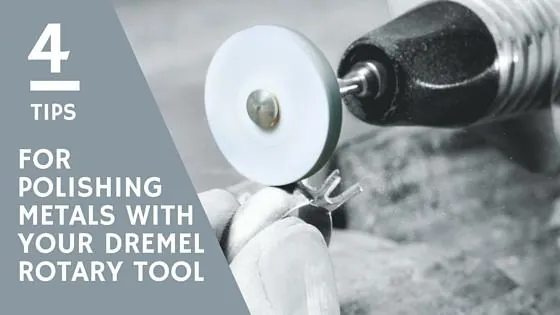
- Mount the wheel: Secure the chosen buffing wheel onto the mandrel, ensuring it’s tightened firmly.
- Load the compound: Spin the tool and lightly touch the compound stick to the rotating wheel for one or two seconds.
- Apply to metal: Hold the tool at a slight angle and apply gentle pressure while moving the tool in sweeping motions.
- Wipe down: Use a clean microfiber cloth to remove residual compound between different grit stages.
- Repeat: Switch to a clean wheel and a finer compound to achieve the desired luster.
Managing Heat and Pressure
Warning: Excessive pressure will cause the metal to overheat, potentially warping thin sheets or burning through protective coatings on plated materials. Keep the tool in motion at all times to dissipate heat. If the metal becomes too hot to touch, pause the process and allow the workpiece to cool completely before resuming.
Choosing the Proper Buffing Speed
| Metal Hardness | Recommended RPM Range | Recommended Compound |
|---|---|---|
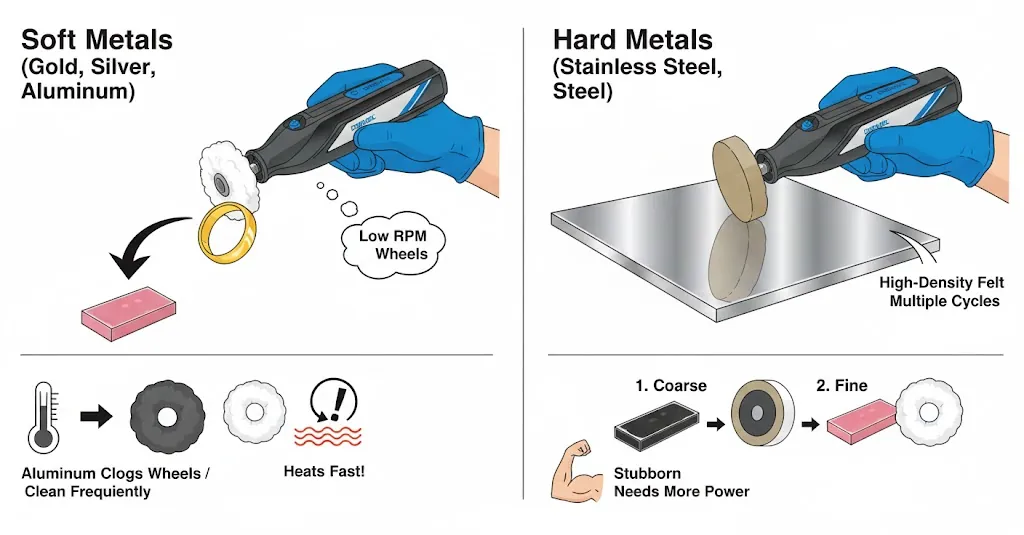
| Soft (Aluminum) | 5,000 – 10,000 | Tripoli / Brown |
| Medium (Brass) | 10,000 – 15,000 | White Rouge |
| Hard (Steel) | 15,000 – 25,000 | Black Emery / Green |
Troubleshooting Common Polishing Issues
- Compound Sticking: You’re likely applying too much compound; use less and apply more frequently.
- Surface Streaking: This indicates the wheel is contaminated with a coarser compound; swap to a fresh, clean wheel.
- Black Residue: This is normal; it’s the metal particles suspended in the compound binder. Simply wipe it away with a clean cloth.
Essential Safety Gear
Pro Tip: Always secure your workpiece in a bench vise or with clamps. Never hold small metal parts by hand while using a rotary tool, as the high-speed rotation can easily catch an edge and pull the part from your grip, causing injury. Use high-quality safety glasses, hearing protection, and a respirator to filter out fine metal dust.
Related guides
- 10 Best Rotary Tools for DIY, Crafts, and Home Projects
- Hammer Drill vs Rotary Hammer: How to Choose the Right Tool
- 10 Best Cordless Rotary Tools for Detail Work and DIY Repairs
Frequently Asked Questions
Why is my metal turning black?
The black residue is a mixture of metal dust and the abrasive compound binder. It’s a sign that the abrasive is successfully removing material from the surface. Simply wipe the surface frequently with a clean microfiber cloth to monitor your progress and ensure you aren’t just pushing the residue around.
Can I use one wheel for all compounds?
No, you must use a dedicated wheel for each type of compound. If you use a wheel that previously held a coarse cutting compound to apply a fine finishing polish, the remaining coarse particles will scratch the surface, preventing you from ever achieving a true mirror finish.
How do I clean the buffing wheels?
You can clean them by holding a stiff wire brush or a metal rake against the rotating wheel to dislodge hardened compound and debris. If the wheel is heavily saturated or frayed, it’s often more efficient to replace it. Never wash cotton buffs in a washing machine, as the fibers will unravel and lose their structural integrity.
What speed should I use for aluminum?
Aluminum is a relatively soft metal and can easily melt or smear if the temperature rises too high. Use a lower speed setting, typically between 5,000 and 10,000 RPM, to keep the surface cool. High speeds will cause the aluminum to clog the buffing wheel, which makes the polishing process significantly less effective and creates messy, uneven results.
Is a rotary tool enough for large parts?
A handheld rotary tool is excellent for intricate details and small components, but it’s inefficient for large surface areas like car hoods or furniture. For larger projects, consider using a bench-mounted buffer or a dedicated angle grinder with a large buffing pad, as these tools provide the consistent torque and coverage required for expansive metal surfaces.
Conclusion
Achieving professional results requires patience and a systematic approach to surface refinement. Start by gathering your safety gear, selecting the appropriate buffing wheels for your specific metal, and practicing on scrap material to calibrate your technique. Begin your first project today by cleaning your target surface thoroughly and testing a small, inconspicuous area to verify your compound and speed settings.