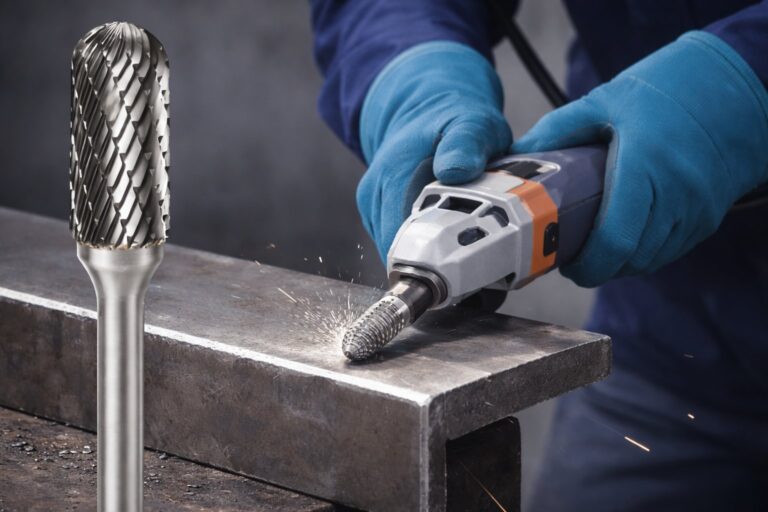
How to Drill Clean, Accurate Holes in Concrete with a Rotary Hammer
You can achieve precise results by using a high-quality carbide-tipped masonry bit and maintaining a steady, perpendicular angle while letting the tool’s weight do the work. Using a depth gauge and clearing dust frequently helps you drill clean, accurate holes in concrete with a rotary hammer while preventing overheating.
Essential Tools for Concrete Drilling
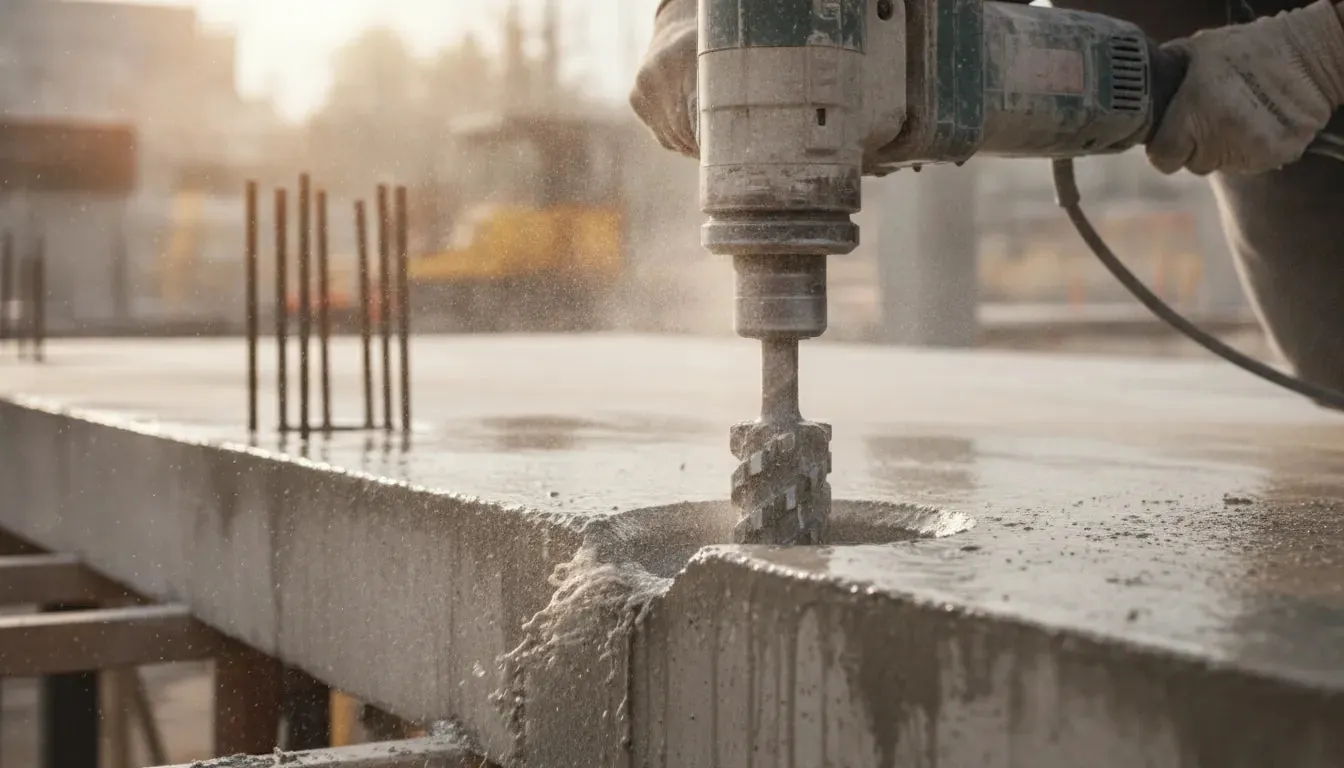
To get the job done right, you need the right gear. Using the wrong bit or an underpowered tool will lead to frustration and potential damage to the surface.
- Rotary hammer with a variable speed trigger.
- Carbide-tipped SDS-plus drill bits sized to your anchor.
- Depth gauge rod or a piece of masking tape.
- Shop vacuum with a HEPA filter for dust control.
- Safety glasses and a N95-rated respirator.
- Permanent marker for marking hole locations.
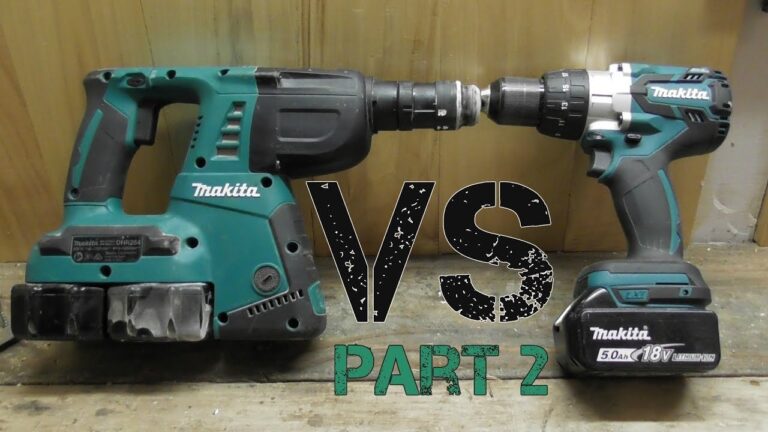
If you’re using a standard hammer drill instead of a rotary hammer, the process will take significantly longer and the bit will wear out faster. Always ensure your tools are rated for the masonry type you’re drilling, as specified by the Occupational Safety and Health Administration regarding silica dust exposure.
Steps for Accurate, Clean Holes in Concrete with a Rotary Hammer
- Mark your drill location with an ‘X’ using a permanent marker to ensure high visibility.
- Set your rotary hammer to “hammer drill” mode and insert the SDS-plus bit until it clicks into place.
- Adjust the depth gauge on the tool to the required length of your anchor plus 1/4 inch to ensure proper clearance.
- Position the bit tip on your mark and begin drilling at a slow speed until a small starter dimple is formed.
- Increase to full speed while maintaining firm, even pressure to let the hammer mechanism pulverize the concrete.
- Pull the bit out of the hole every 2 inches of depth to clear out the pulverized dust.
- Check the hole depth against your anchor length and vacuum out any remaining debris before inserting the fastener.
Careful: Don’t force the tool if you hit steel reinforcement bars, as this will damage the carbide tip; shift your location slightly if you encounter solid metal. Tip: Use a piece of masking tape on the bit if your tool lacks a built-in depth gauge.
Adjusting for Different Concrete Situations
The time and effort required change based on the density and age of the concrete you’re working with.
Always start with a smaller pilot hole if you’re drilling into very high-strength or decorative concrete to prevent surface chipping. It’s much safer to start small and widen the hole than to overshoot and damage the surrounding material on your first try.
Confirming Your Results
A good hole is perfectly cylindrical with smooth, uniform walls and no significant chipping around the entry point. If the hole is jagged or wider at the top, it means the drill was wobbling or the bit wasn’t sharp enough.
This usually happens when the operator applies too much lateral pressure instead of letting the tool’s internal hammer mechanism do the work. You can prevent this by keeping your arms locked and your body weight leaning directly behind the tool handle.
Safety Rules and Maintenance
Always follow the manufacturer’s guidelines for your specific rotary hammer model regarding continuous run times to prevent motor fatigue. After finishing, clean the tool vents with compressed air to remove fine concrete dust that can cause internal wear.
Store your drill bits in a dry case to prevent rust on the shank, which can cause the bit to seize inside the tool chuck. If you suspect you have hit a main utility line or structural rebar during this process, stop immediately and contact a professional contractor to assess the integrity of the area.
Alternative Drilling Methods
Diamond Core Drilling
This method uses water-cooled bits to cut through concrete and rebar without vibration. It’s ideal for large-diameter holes where precision is critical, though it requires specialized equipment and creates a slurry that must be managed.
Hammer Drill
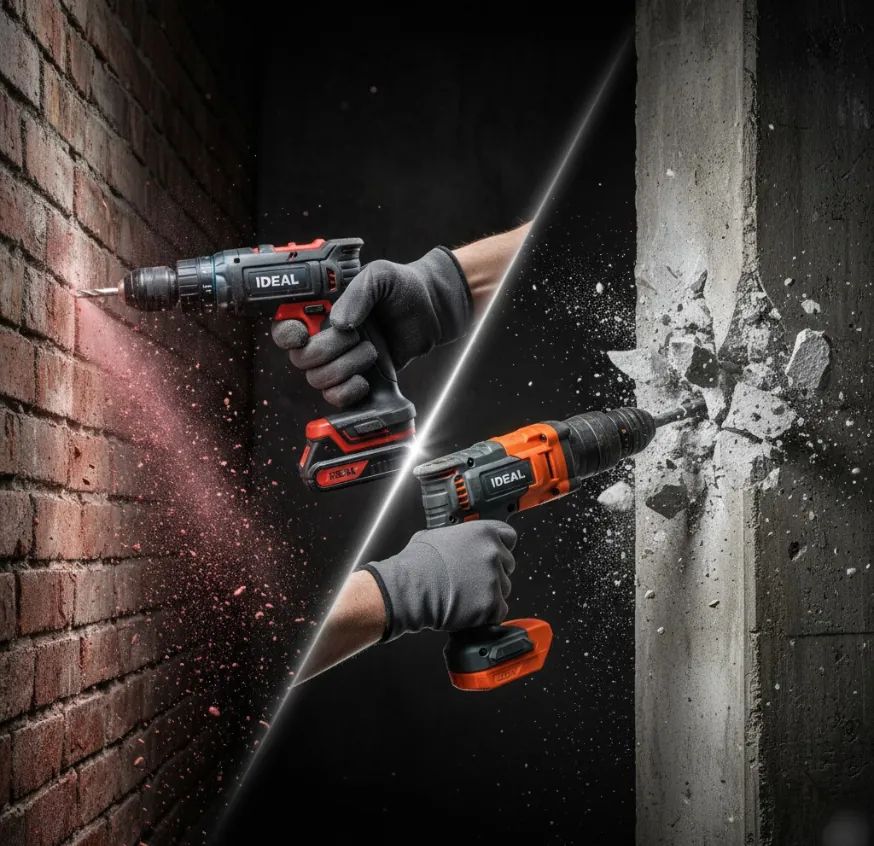
A traditional hammer drill works for light-duty masonry or brick. It lacks the impact energy of a rotary hammer, making it unsuitable for thick, high-strength concrete or deep holes.
Impact Driver with Masonry Bits
This is only for small-diameter holes in soft brick or mortar. It isn’t recommended for structural concrete, as it will likely burn out the bit and fail to penetrate the aggregate properly.
Frequently asked questions
How deep can a rotary hammer drill?
A rotary hammer can typically drill as deep as the length of your bit, often reaching 12 to 24 inches for standard construction tasks. If you need deeper holes, you must switch to an extension rod, but ensure the tool has enough torque to clear dust from the increased depth.
Is it safe to drill into concrete walls?
Yes, it’s safe provided you avoid hidden electrical wires or plumbing lines located behind the surface. Always use a stud finder or a wall scanner to verify the path is clear before you begin, as hitting a live line can lead to severe injury or expensive home damage.
Why is my drill bit getting stuck?
The bit usually gets stuck because of excessive dust accumulation in the hole or hitting a piece of rebar. Stop the machine, pull the bit out gently, and vacuum the dust away; if you hit metal, don’t force the bit, as the tip will break.
How often should I replace the drill bit?
You should replace the bit when the carbide tip shows visible signs of rounding or the cutting edge is chipped. A dull bit requires more force to drill, which increases heat and puts unnecessary strain on the rotary hammer’s motor, leading to faster tool wear.
Can I use a regular drill for concrete?
No, a standard drill lacks the percussive hammer action required to pulverize concrete. You’ll likely ruin the bit and overheat the motor within seconds of attempting to penetrate a solid concrete surface.
Conclusion
Once your holes are ready, take a moment to vacuum out the remaining grit before inserting your anchors. A clean surface ensures a much stronger bond for whatever you’re building next. You’ll find that taking this extra step makes your finished project look professional and helps your hardware hold tight for years.