Impact Driver Bits: Why Impact-Rated Matters for Your Projects
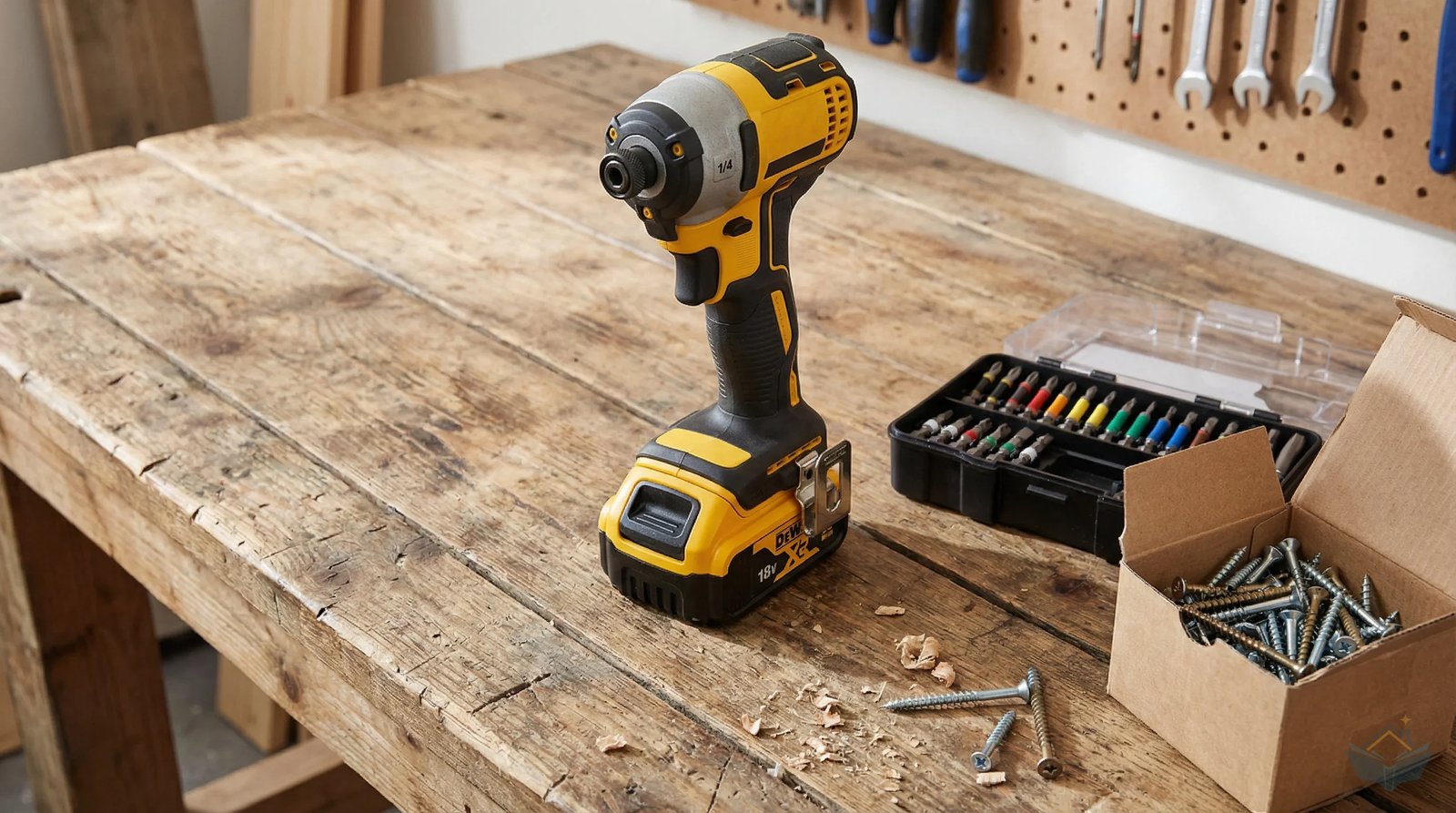
Impact-rated bits absorb the hammering force of an impact driver, unlike standard bits that snap. Impact driver bits cover driver bits, socket adapters, nut drivers, and magnetic holders.
Impact Driver Bits at a Glance
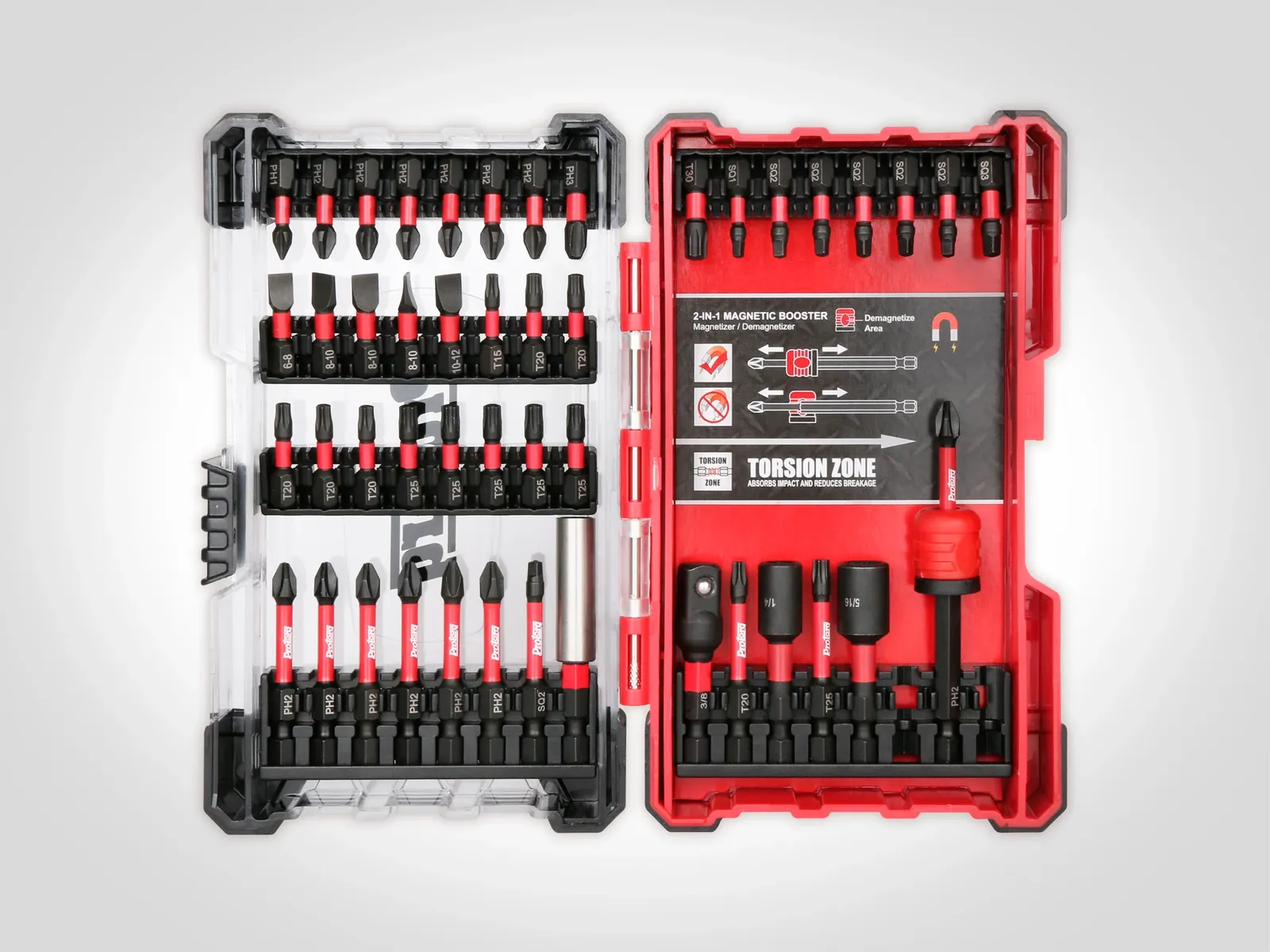
The table below lists every type this page covers, what each one is best for, and a real example you would recognise.
| Bit type | Best for | Example |
|---|---|---|
| Phillips driver bit | Cross-head screws in wood and metal | #2 Phillips bit |
| Torx driver bit | Star-head screws in decking and appliances | T25 Torx bit |
| Square drive bit | Robertson screws in framing and cabinets | #2 square bit |
| Hex driver bit | Hex-head screws in furniture and hardware | 1/4-inch hex bit |
| Socket adapter | Hex nuts and bolts with a driver | 1/4-inch to 1/4-inch adapter |
| Nut driver | Hex nuts in tight spaces | 5/16-inch nut driver |
| Magnetic bit holder | Holding screws in place while driving | Standard 1/4-inch holder |
Phillips Driver Bits
A Phillips bit fits cross-head screws in wood, drywall, and light metal. It suits general repairs and assembly where the screw head is a simple cross. A #2 Phillips bit driving a 2-inch drywall screw into a stud is a typical job.
Torx Driver Bits
A Torx bit fits star-shaped screws and handles more torque than a Phillips bit. It suits decking, appliances, and electronics where screws resist cam-out. A T25 Torx bit driving deck screws into pressure-treated lumber is a typical job.
Square Drive Bits
A square drive bit fits Robertson screws and requires less downward pressure. It suits framing, cabinetry, and outdoor woodwork where the driver can slip. A #2 square bit driving 3-inch deck screws is a typical job.
Hex Driver Bits
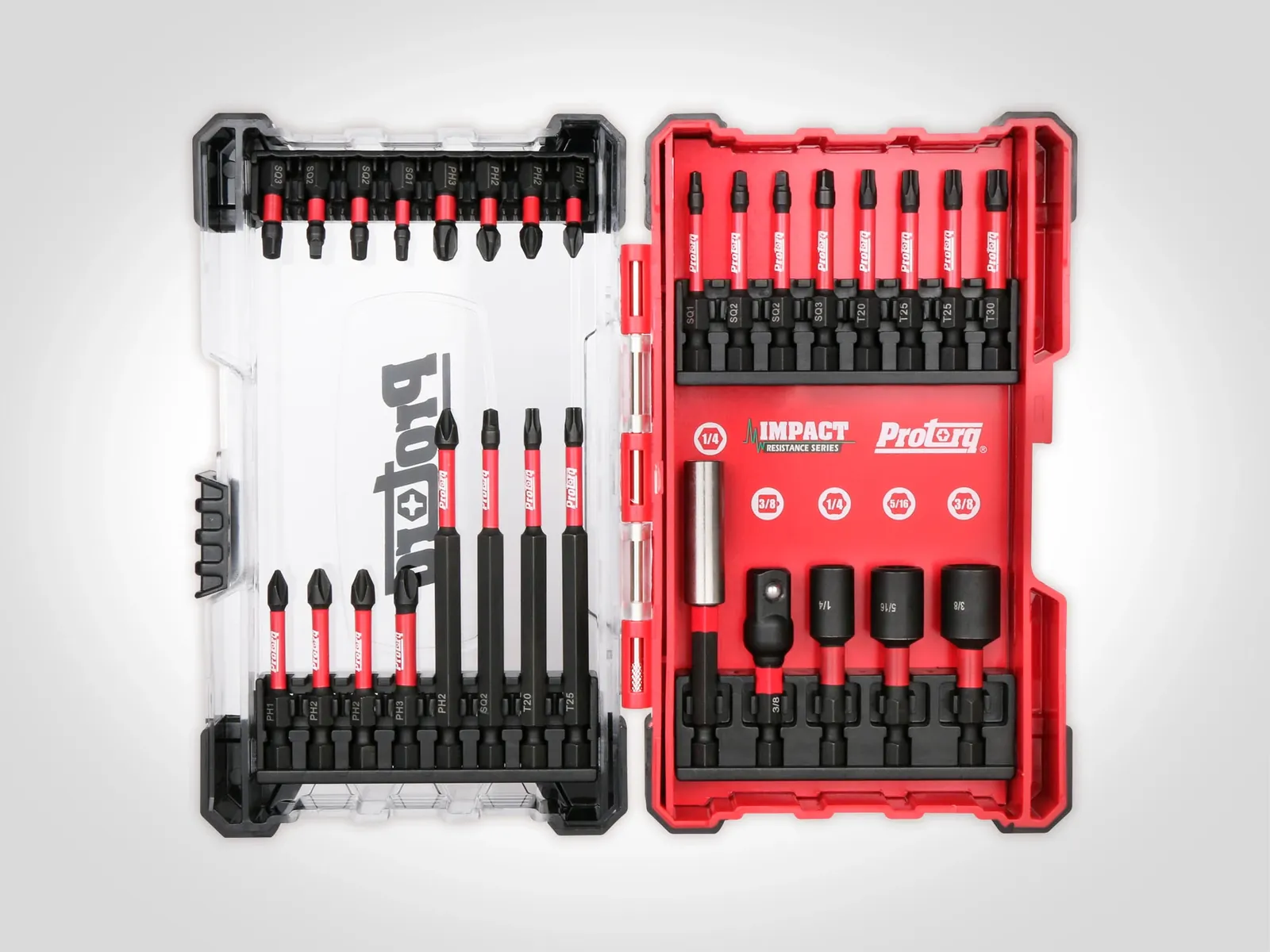
A hex bit fits hex-head screws and bolts in furniture and hardware. It suits flat-pack assembly and machine screws where a wrench is awkward. A 1/4-inch hex bit assembling a bookshelf is a typical job.
Socket Adapters
A socket adapter turns a bit holder into a wrench for hex nuts and bolts. It suits mechanical work and automotive jobs where a regular socket wrench won’t fit. A 1/4-inch adapter driving a 1/4-inch hex nut on a bike rack is a typical job.
Nut Drivers
A nut driver fits hex nuts in spaces too tight for a socket wrench. It suits plumbing, electrical, and automotive work where a socket is too bulky. It drives nuts without a separate socket, fits shallow recesses, and turns fasteners by hand or with a driver. A 5/16-inch nut driver tightening an electrical box nut is a typical job.
Magnetic Bit Holders
A magnetic bit holder grips the screw during positioning. It suits overhead work, tight corners, and any job where dropping a screw loses time. It keeps screws vertical on the bit, frees one hand for positioning, and works with any 1/4-inch hex bit. Holding a 1-inch screw against a ceiling joist while driving it’s a typical job.
Choosing the Right Impact Rated Driver Bits
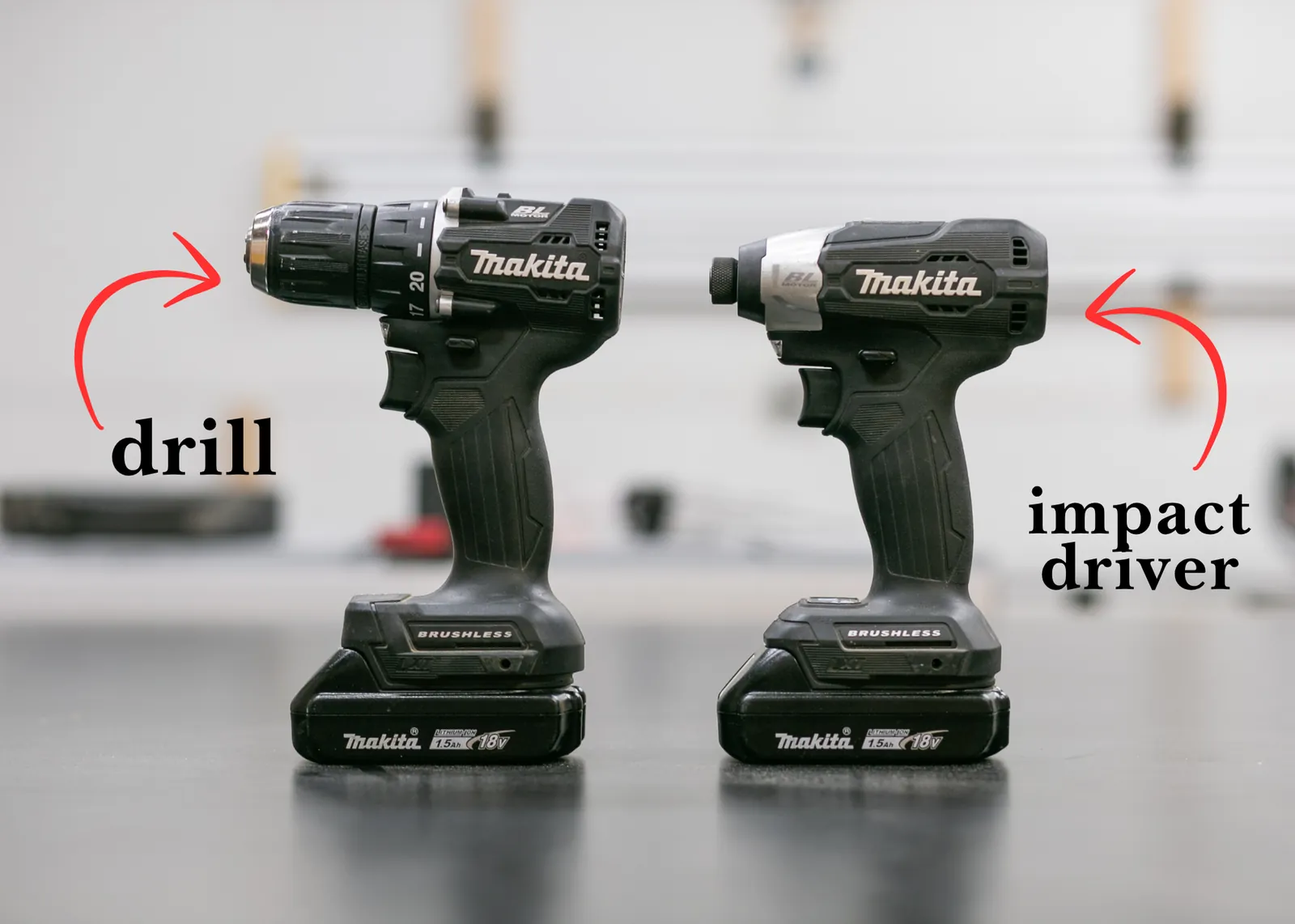
Match the bit to the screw head first — a Phillips bit on a Torx screw strips both. Choose impact-rated bits when you use an impact driver, because standard bits shatter under repeated hammer blows. Choose standard bits for a drill driver or hand driver, where impact rating adds cost without benefit.
Related guides
- Impact Driver vs Impact Wrench: Key Differences and Uses
- Best Impact Drivers for DIYers: Picks for Different Jobs
Frequently Asked Questions
Can I use standard bits in an impact driver?
No. Standard bits aren’t built for the hammering force of an impact driver and can snap or shatter, sending metal fragments toward your hands and eyes. Use impact-rated bits, which are made from softer steel that flexes instead of breaking.
Why do impact-rated bits matter?
Impact-rated bits absorb repeated torque without snapping, while standard bits shatter under the same force. That protects the bit, the screw head, and you from flying metal.
How long do impact-rated bits last?
There’s no fixed lifespan — it depends on the screw material, the driver’s torque setting, and how often you use them. Check the bit for rounded tips or cracks and replace it when either shows.
Is it safe to use a socket adapter with an impact driver?
Yes, if the adapter is impact-rated and the socket is seated fully. A loose socket can come off under torque and strike your hand or damage the fastener.
What happens if I use the wrong bit size?
The bit cam-outs, strips the screw head, and can slip and injure your hand. Match the bit size exactly to the screw head before you start.
Does bit length matter?
Yes. Longer bits reach recessed screws but flex more under torque, while short bits transfer more force but can’t reach deep holes. Pick the shortest bit that reaches the screw head.
What to Do Next
Pick the bit that matches your screw head, confirm it’s impact-rated if you’re using an impact driver, and drive one test screw to check the fit. The right sign is a screw that seats straight without the bit slipping or jumping out of the head. Stop and replace the bit if the tip rounds over or the screw head strips.
Conclusion
Choosing the right gear makes your projects go much smoother and keeps your tools in great shape. Don’t settle for cheap, brittle alternatives that’ll just break when you’re mid-task. Next time you’re at the hardware store, grab a reliable impact-rated set so you’re ready for whatever job comes your way.