What Track Saw Rail Length You Need for Plywood and Long Cuts
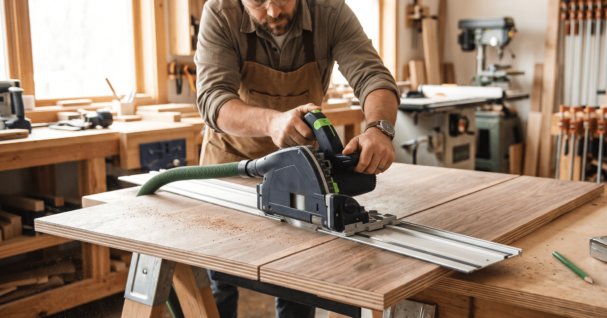
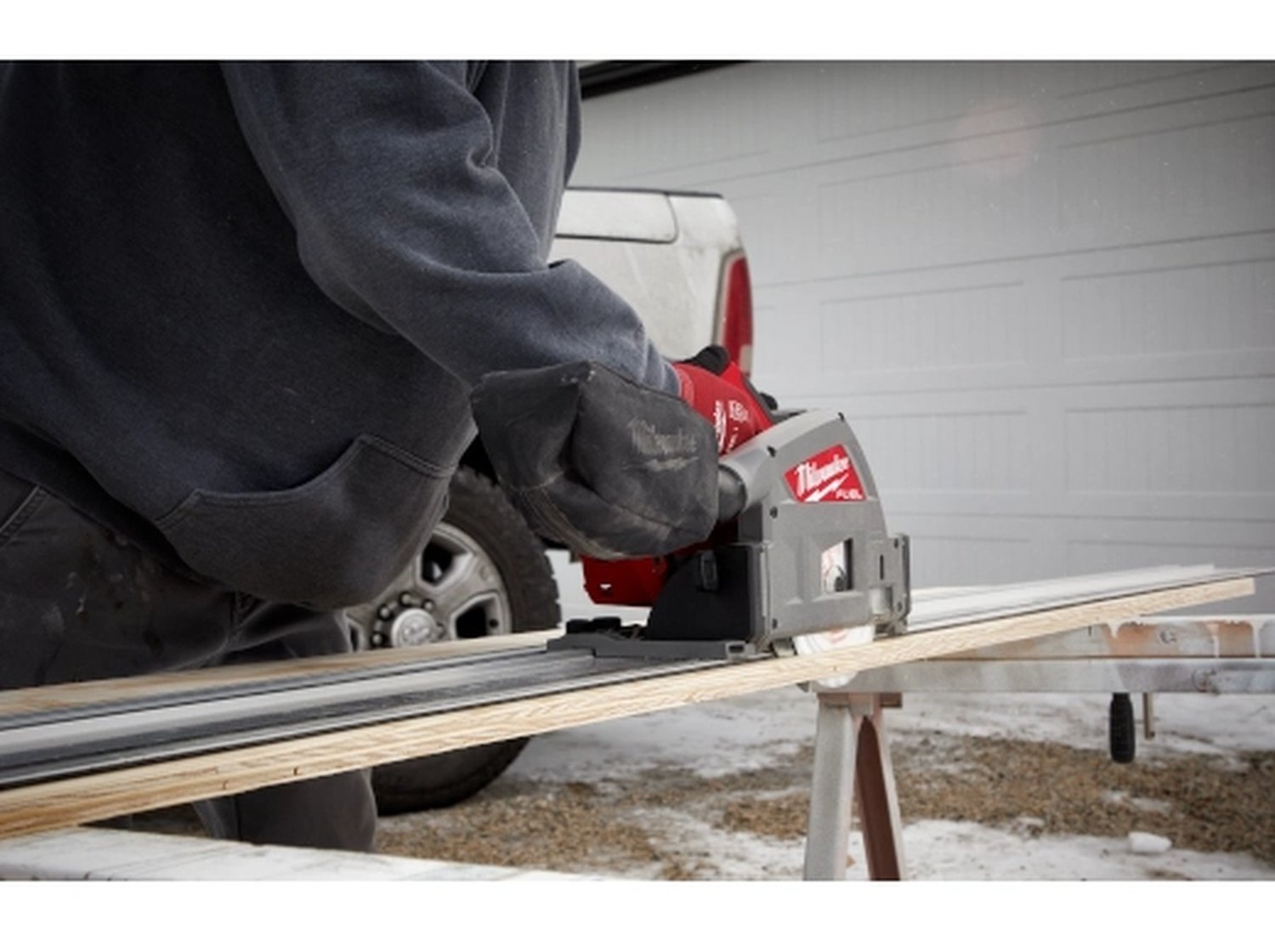
For most woodworkers, the ideal track saw rail length for plywood and long cuts is 55 inches (1400mm) for cross-cutting, or a 106-inch (2700mm) combined track system for long rip cuts. To determine your specific needs, consider that a standard 4×8-foot sheet of plywood requires at least 96 inches of travel to complete a full rip cut. If you’re frequently breaking down large sheets, you should budget between $150 and $450 for a high-quality aluminum track system depending on the brand and length. Always ensure your rail is at least 10 to 15 percent longer than the workpiece to allow for a clean start and finish.
Key Takeaways
- A 55-inch rail is the standard length for cross-cutting across the width of a 48-inch plywood sheet.
- For full 96-inch rip cuts, you need a single 106-inch track or two shorter tracks connected with high-quality alignment bars.
- Always account for the distance between the blade and the edge of the tool base when calculating total required track length.
- Connecting two shorter tracks is more portable but requires precise calibration to maintain a perfectly straight cutting line.
- If you work alone, shorter tracks are significantly easier to manage and store in a small workshop environment.
What Track Saw Rail Length Do You Need?
Choosing the correct rail length involves balancing the size of your materials against the storage space in your shop. Most manufacturers offer rails in specific increments, typically ranging from 31 inches to 118 inches. For the average hobbyist, a 55-inch rail is the most versatile option because it covers the width of a standard plywood sheet comfortably. When you need to rip a full 8-foot board, you must look at your options for extending that reach.
How to Calculate Track Rail Length for Plywood and Long Cuts
You must calculate your needs by adding the length of the board to the “offset” distance of your saw’s base plate. The base plate offset is the distance from the edge of the guide rail to the edge of the saw blade. If your board is 96 inches long, your total path must be at least 100 inches to ensure the blade clears the wood at both the beginning and the end of the cut.
| Track Length | Primary Use Case | Portability |
|---|---|---|
| 31–32 inches | Small panels, trim, cabinet parts | Excellent |
| 55–60 inches | Cross-cutting plywood, doors | Good |
| 75–80 inches | Mid-length rips, shelving | Moderate |
| 106–118 inches | Full 8-foot plywood rip cuts | Poor |
Connecting Tracks for Longer Cuts
When you can’t justify the cost or storage space of a single 106-inch rail, you can join two shorter segments. This is a common practice, but it introduces a potential point of failure at the joint.
You must use high-quality, manufacturer-specific connector bars to ensure the two rails remain perfectly co-linear. If the joint is off by even a fraction of a millimeter, your saw will encounter a bump, which can ruin the accuracy of your long rip cut and potentially cause kickback.
Pro Tip: Always check the alignment of your connected tracks using a long, precision-machined aluminum straight edge before making your final cut on expensive hardwood plywood.
Rail Length and Shop Storage
Storage often dictates the maximum length you can reasonably own. A 106-inch rail is nearly 9 feet long, which can be problematic in a single-car garage or basement workshop.
Short rails can be hung vertically on a wall or tucked into a cabinet, while long rails often end up leaning against a wall where they’re prone to being bumped and knocked out of alignment. If you lack space, prioritize the 55-inch tracks and invest in a reliable, rigid connector system for those rare occasions when you need to cut a full sheet.
The Role of Guide Rail Calibration
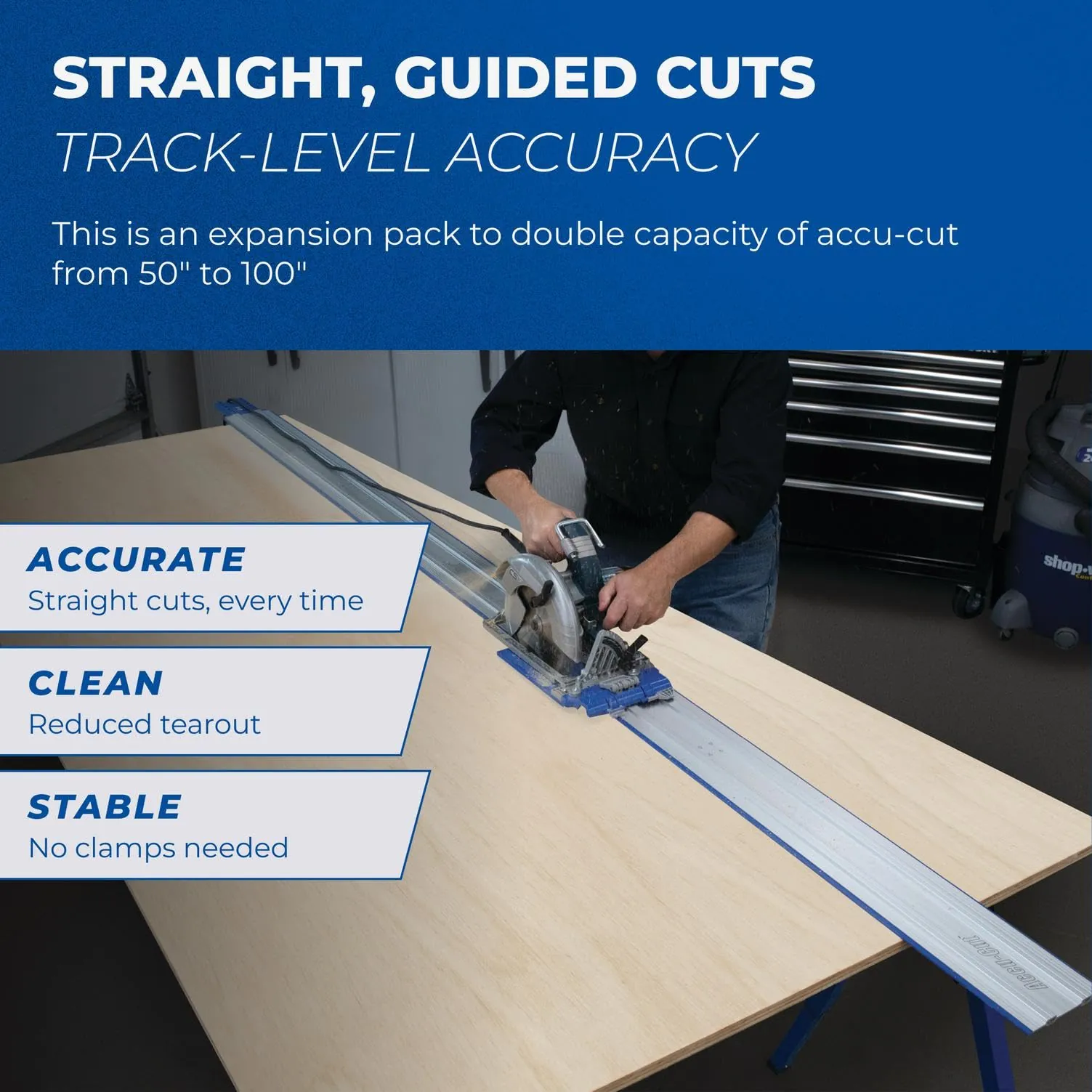
Regardless of the length you choose, the effectiveness of the track depends on the Guide Rail calibration. The rubber splinter guard strip on the edge of your track must be trimmed during the initial setup to match the exact kerf of your specific saw blade.
This strip serves as the zero-clearance reference point, telling you exactly where the blade will travel. If you change saws or replace the blade with one of a different thickness, you may need to replace the splinter guard to maintain precision.
Selecting Your Saw and Track System
Several major manufacturers dominate the track saw market, each with proprietary track designs. You can’t typically mix and match rails between brands without significant modification or third-party adapters.
- Festool: Offers a wide range of lengths and the most robust connection accessories.
- Makita: Known for durable, slightly more affordable rails that are compatible with many other systems.
- DeWalt: Features a unique track design that works on both sides, effectively doubling the life of the splinter guard.
- Trition: Provides a budget-friendly entry point for those just starting with track saw systems.
| Manufacturer | Connection Method | Rail Durability |
|---|---|---|
| Festool | Dual-bar alignment | High |
| Makita | Single-bar/clamp | High |
| DeWalt | Multi-piece connector | Medium |
| Triton | Sliding bridge | Low |
Managing Long Cuts Safely
When making long rip cuts on plywood, stability is your biggest challenge. The sheet must be fully supported across its entire surface to prevent the board from sagging or pinching the blade as you reach the end of the cut. Use a dedicated foam insulation board under your plywood. This provides a sacrificial surface that the saw blade can cut into without damaging your workbench or the floor, while also keeping the plywood perfectly flat throughout the operation.
Warning: Never attempt to cut a sheet of plywood that isn’t fully supported on both sides of the cut line; if the offcut drops suddenly, it can pinch the blade and cause the saw to kick back toward the operator.
Essential Track Accessories
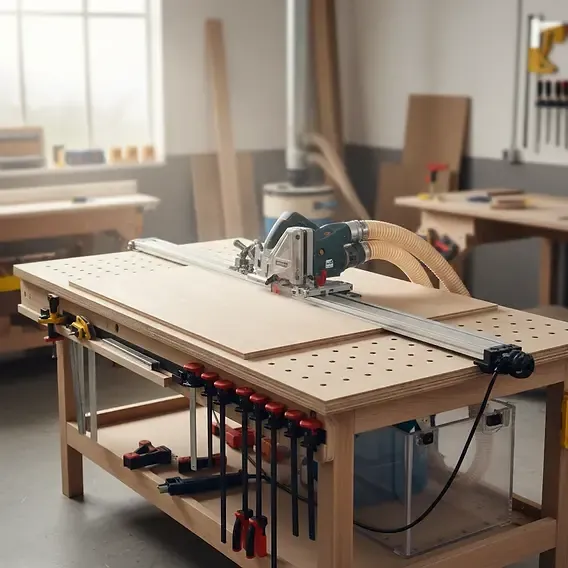
Beyond the rails themselves, you should consider a few key accessories to improve your workflow. Clamps are non-negotiable; even with the anti-slip strips on the bottom of the rail, a clamp prevents the track from shifting during a long, heavy-duty cut. A rail bag is also highly recommended if you move your tools between job sites, as it protects the aluminum from dents and scratches that could impede the smooth travel of your saw base.
Must-Have Add-ons
- Quick-release clamps: Essential for securing the rail to the workpiece.
- Rail joiners: Mandatory for connecting two short rails into one long system.
- Angle stops: Allow for repeatable, perfectly square cross-cuts on long boards.
- Limit stops: Prevent the saw from traveling too far or accidentally plunging into the workpiece.
Related guides
Frequently Asked Questions
Can I use a circular saw with a track saw rail?
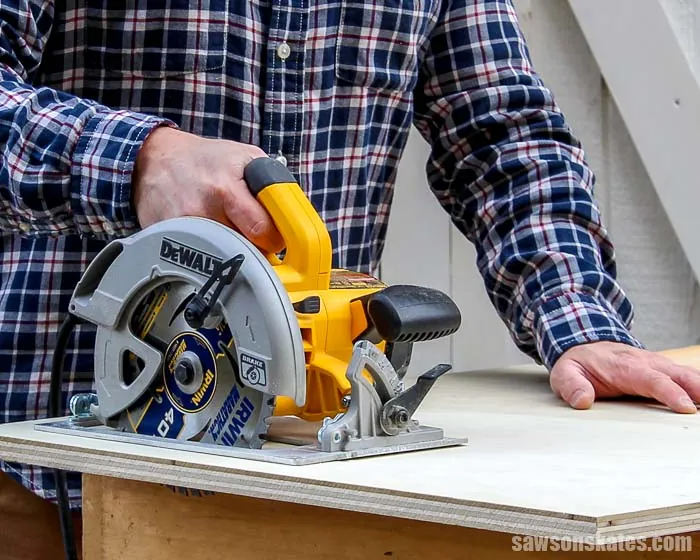
Standard circular saws are generally not compatible with track saw rails because they lack the necessary grooves in the base plate to lock onto the guide. While you can purchase universal adapters, they often lack the precision and stability of a dedicated track saw. If you want the benefits of a track system, it’s usually better to invest in a saw designed to mate with a specific rail.
Do I need to buy a rail as long as my plywood?
You don’t need a rail that’s exactly the length of your plywood, but you do need one that allows the saw to start before the wood and finish after it. A 55-inch rail is often sufficient for cross-cutting a 48-inch wide sheet of plywood. For rip cuts, you need a combined rail length that exceeds 96 inches to ensure a smooth, uninterrupted pass from end to end.
Are all track saw rails compatible?
No, most track saw rails are proprietary to their specific manufacturer. A Festool rail won’t work with a DeWalt saw, and vice versa. While some third-party companies make adapters or universal rails, they rarely offer the same level of accuracy as a manufacturer-matched system. Always check the compatibility charts provided by the manufacturer before purchasing additional track segments for your existing saw.
How do I keep my rail from slipping?
Most modern rails come with integrated non-slip rubber strips on the underside. However, for long cuts or when working with heavy material, you should always use dedicated rail clamps. These slide into the T-track on the underside of the rail and lock it firmly to your workpiece. Never rely solely on the rubber friction strips for long, critical cuts, as they can wear out or lose grip over time.
Is a long single rail better than two short ones?
A single long rail is almost always better than two connected rails because it eliminates the risk of a misaligned joint. A single piece of aluminum is inherently straighter and requires no calibration to ensure the saw base travels in a perfectly flat line. If your shop space permits, buy the longest rail you can fit. Only choose the two-rail system if you absolutely require portability or have limited storage.
Conclusion
Investing in the right track saw rail length is a decision that will pay off every time you break down a sheet of material. By carefully calculating your needs and prioritizing stability, you can achieve cabinet-grade results with ease. Start by measuring your most common project dimensions, then select a rail system that allows for growth and future versatility in your workshop.